
A DAY IN THE LIFE OF A MARINE BIOLOGIST - JULIETTE - TURTLE BIOLOGIST
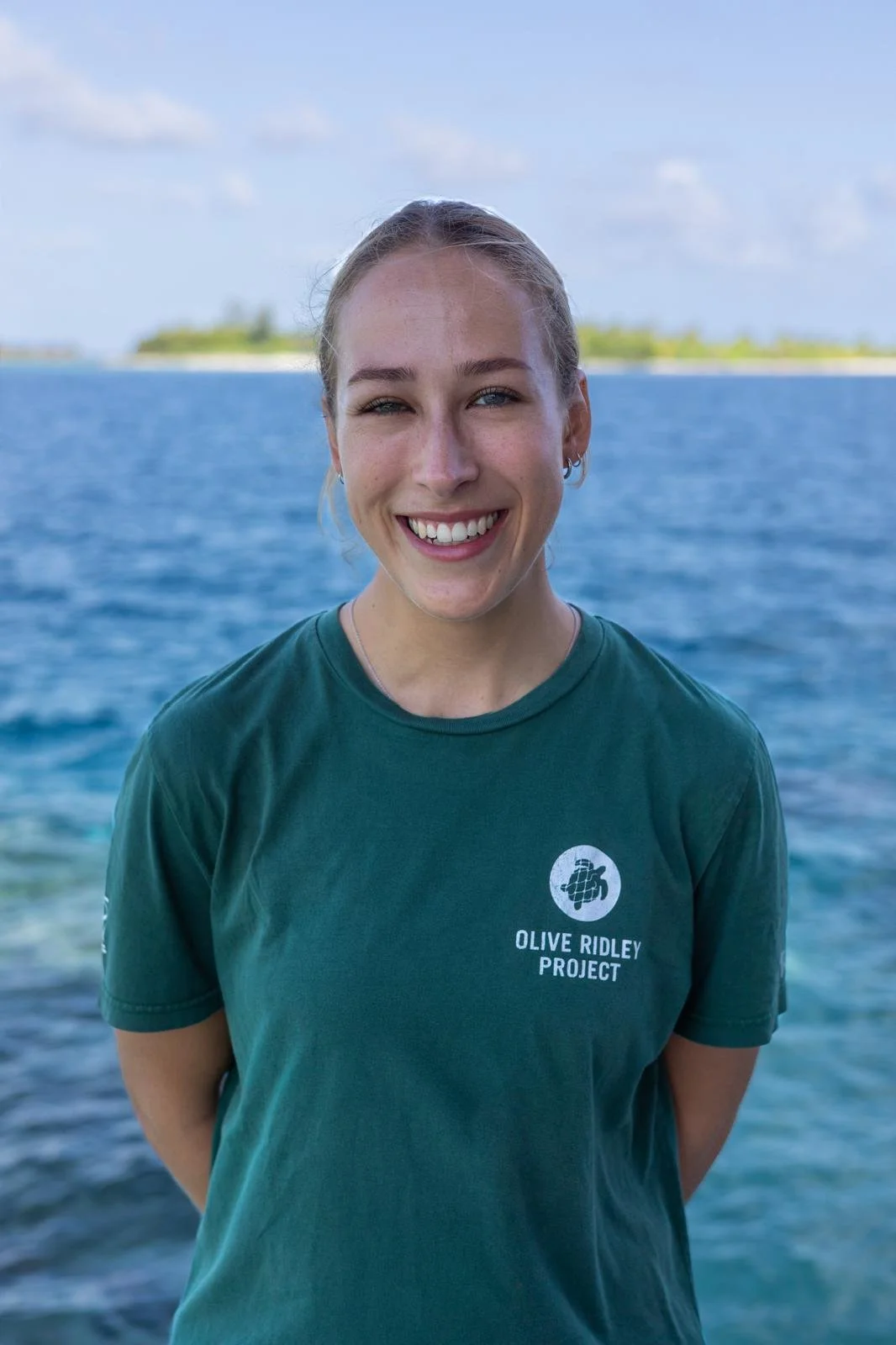

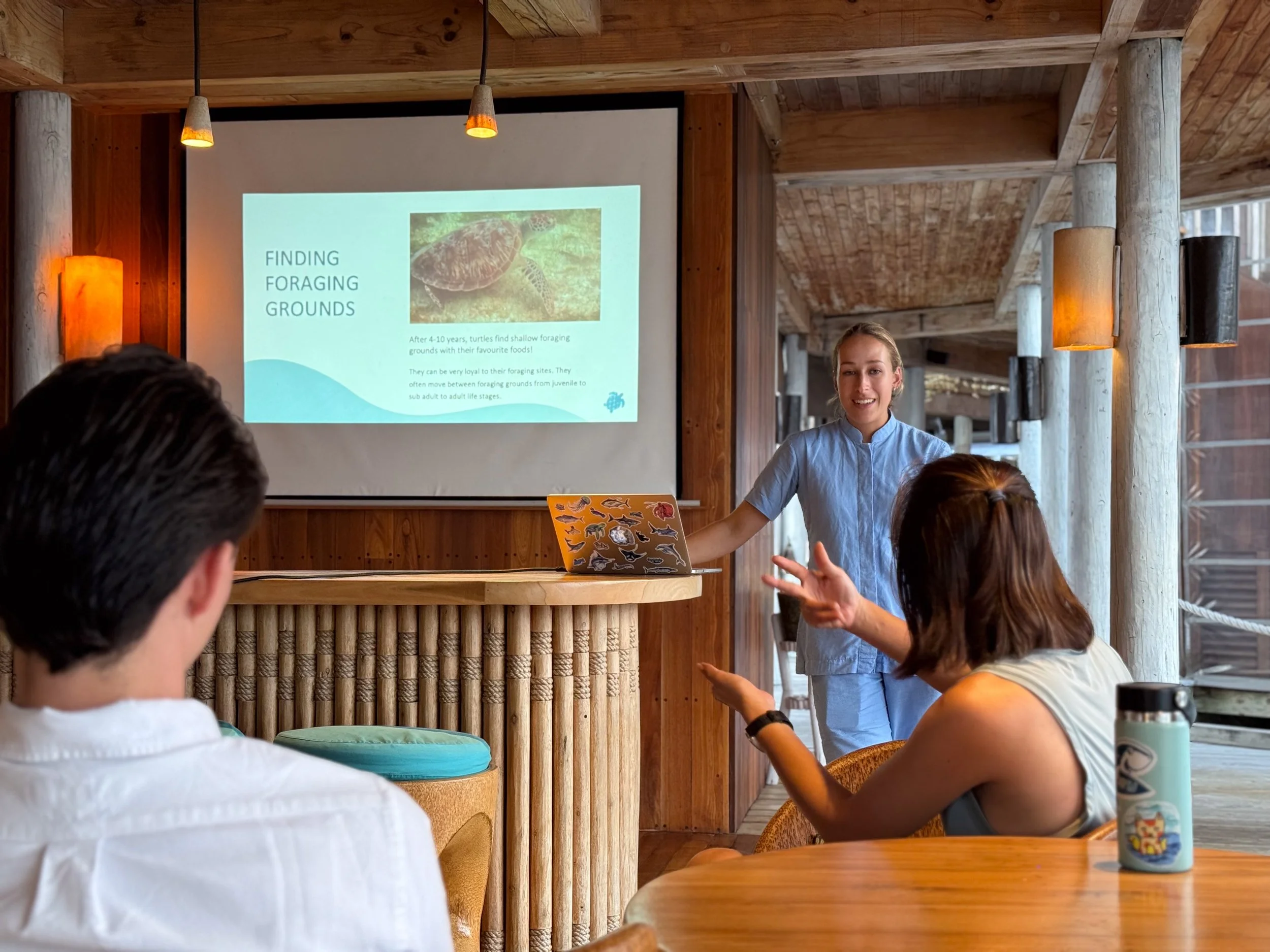
This month in our new series of: “A day in the life of a Marine Biologist”, we will be talking to and learning from Juliette, MUI’s Sea Turtle Biologist and Guest Educator at Six Senses Laamu.
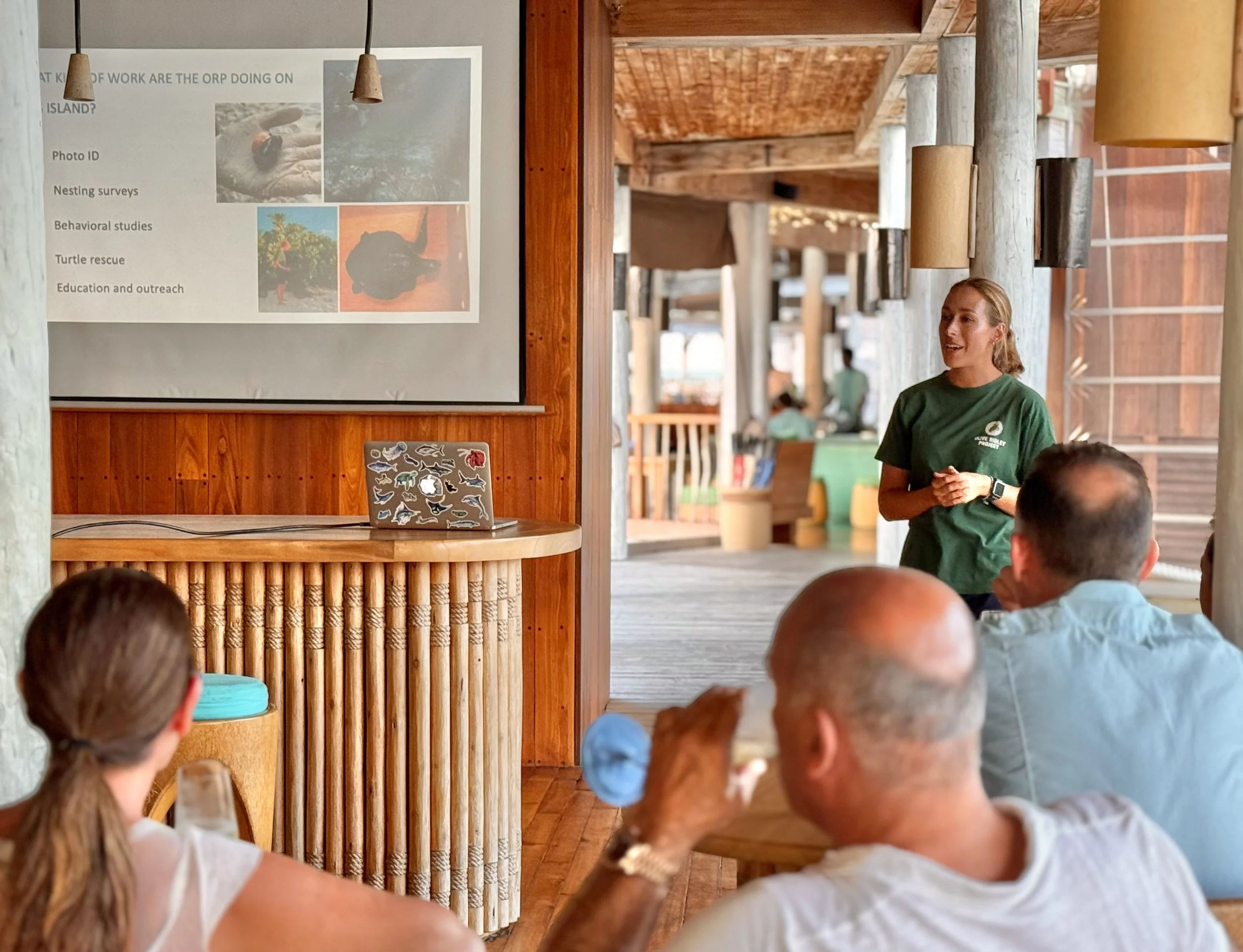
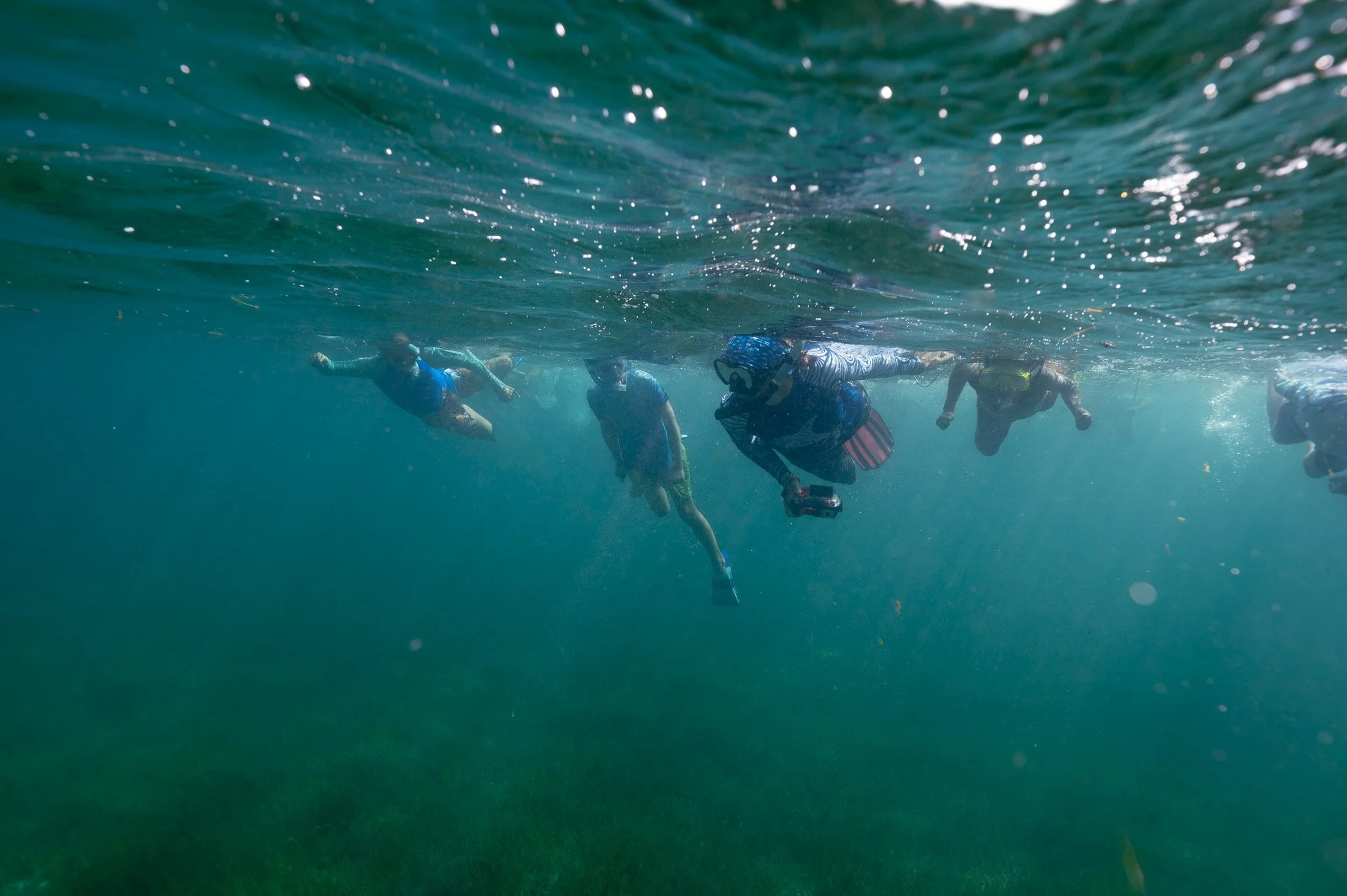
Juliette works with the Olive Ridley Project (ORP), an NGO on a mission to protect sea turtles and their habitats through rescue and conservation medicine, scientific research, and educational outreach. Juliette’s responsibilities at SSL involve conducting Photo Identification (Photo-ID) surveys on dives and snorkels, monitoring the Olhuveli nesting beach and educating guests, hosts and community members about sea turtle conservation.
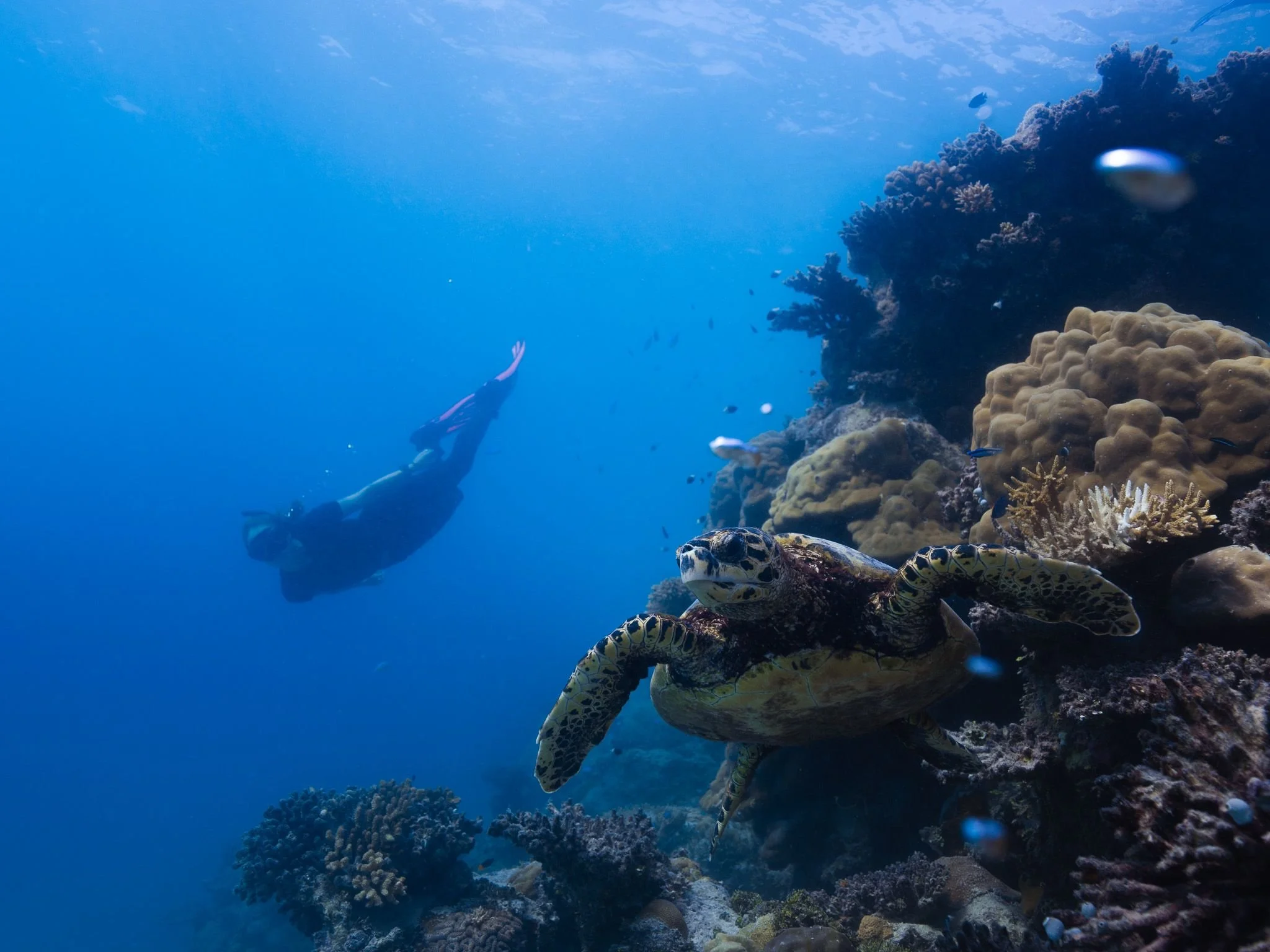
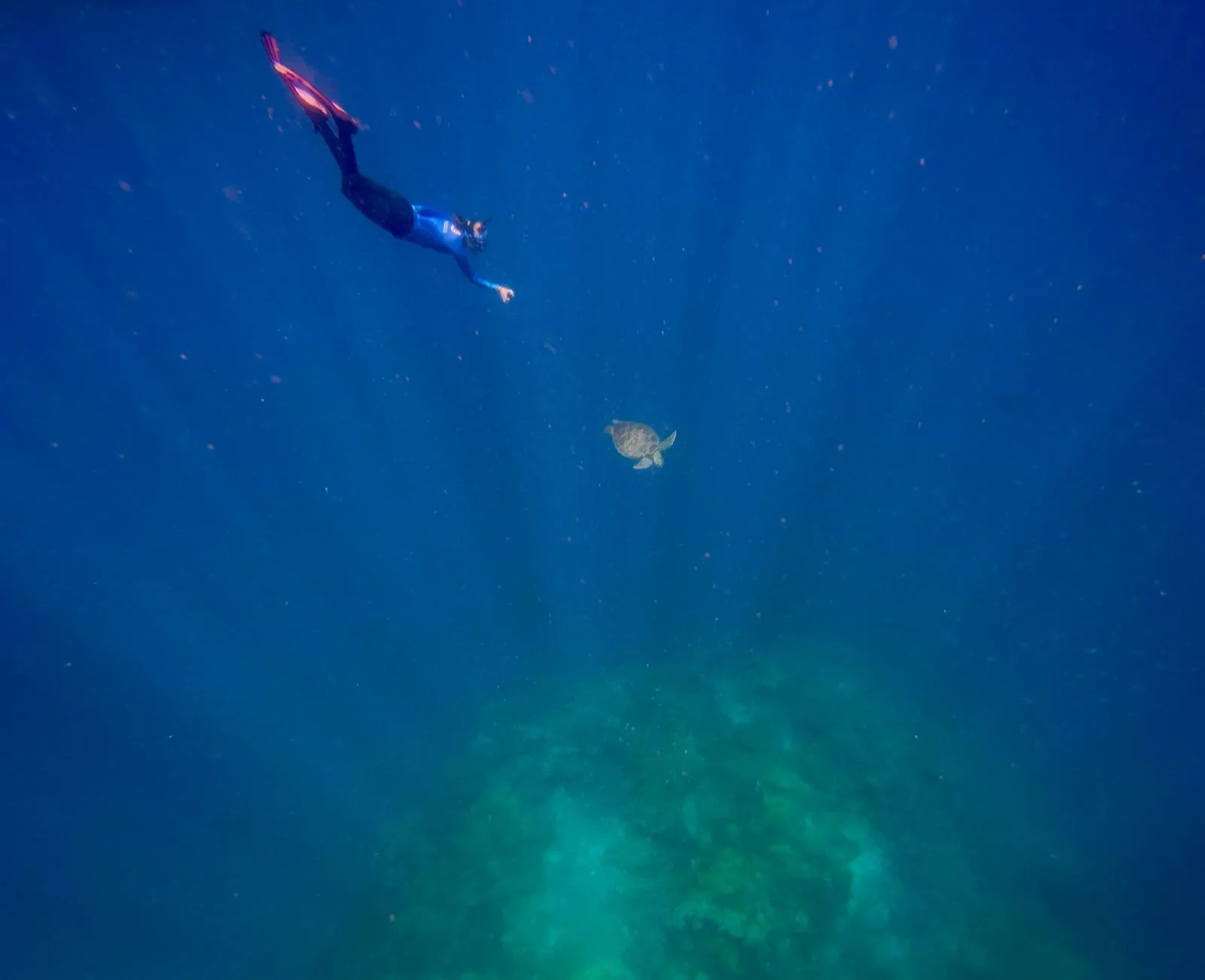
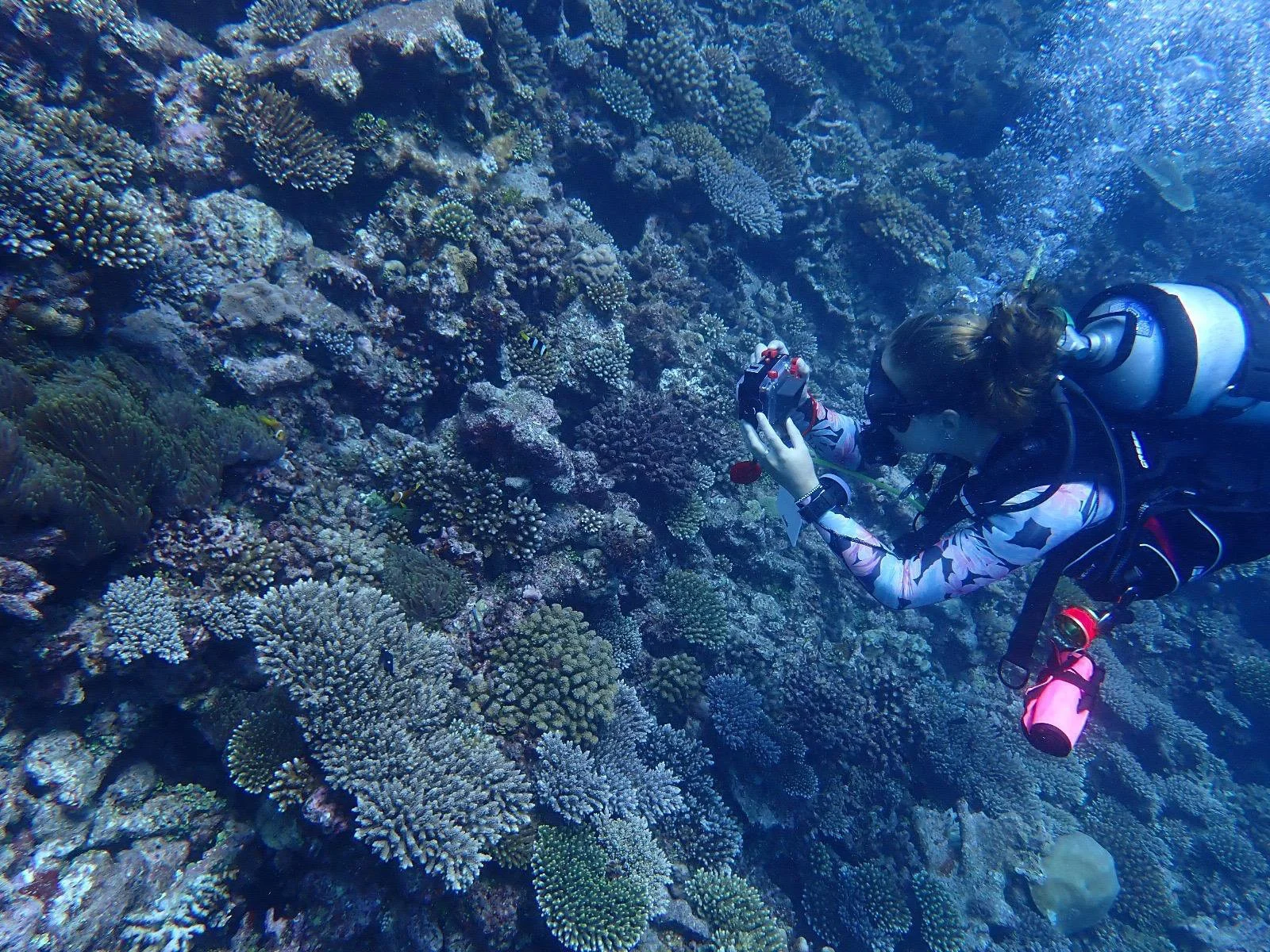
Photo-ID involves taking photos of the unique facial scutes on the side of sea turtle’s heads and processing the images to match individuals to existing records or document them as new to our database. Other information is also recorded such as estimated size, sex, activity and disturbance. This technique is used to gain an idea of the size, health and movements of the sea turtle population in Laamu Atoll. Currently, the database has sighting records of 1,198 individual green and hawksbill turtles. Juliette and ORP intern Sharoof are able to monitor individuals over time and record sightings in different locations around Laamu Atoll. This study involves a large amount of in-water time which is achieved through research dives and also opportunistically on guest dive boats and guided snorkels. This also provides the ORP team with an opportunity to speak with guests about the work they do and communicate how to act around turtles to avoid causing them any stress or changing their natural behaviour.
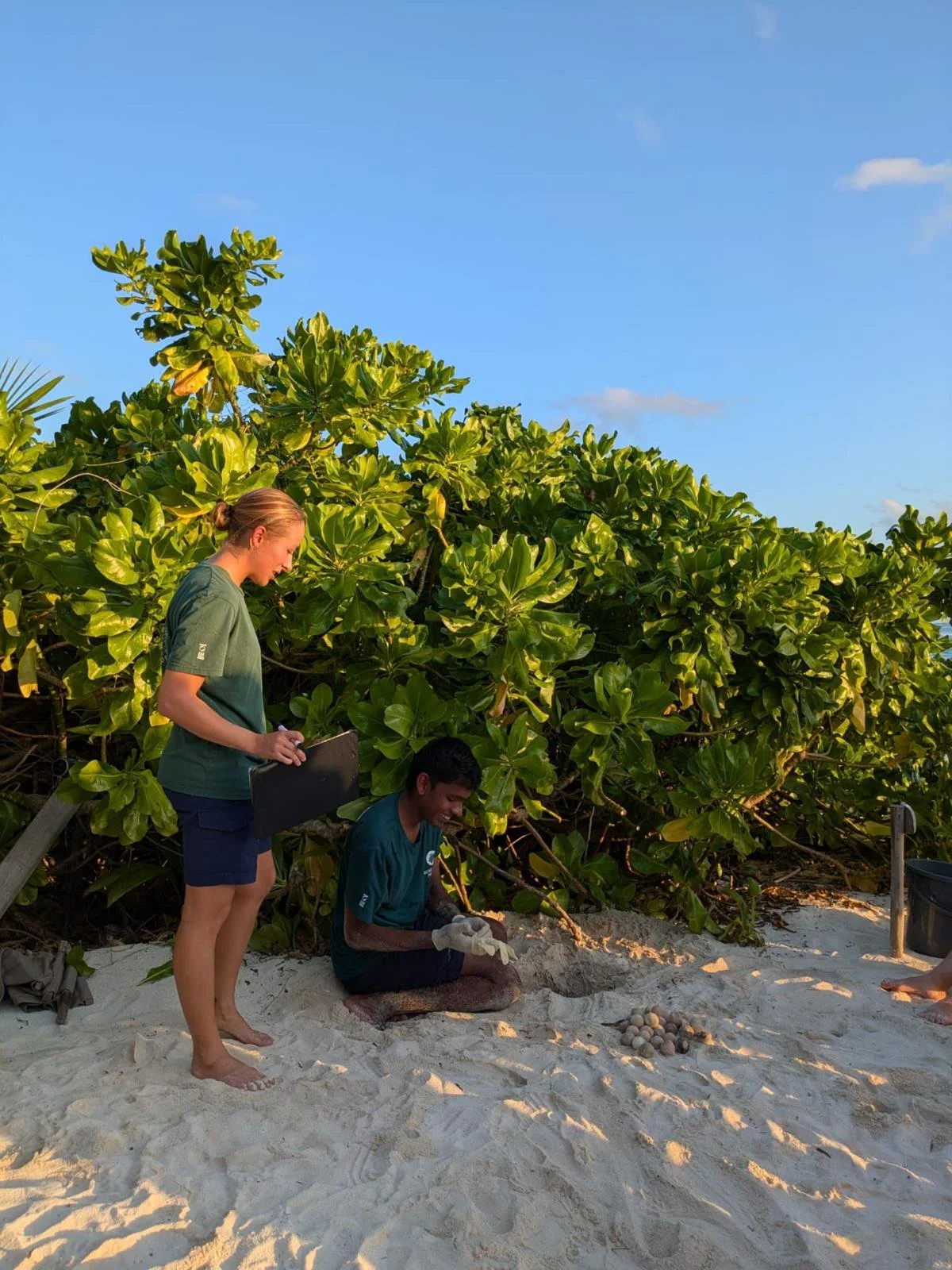
Juliette also monitors and surveys the turtle nests laid on Olhuveli Island. She records data about the location of nests, the incubation period of the eggs, clutch size, hatching success and any congenital malformations present in the hatchlings. Since working at SSL several unique hatchlings have been seen, one even possessing two heads! When a nest hatches she alerts resort guests and hosts to be able to witness the magical moment when sea turtle hatchlings make their journey from the nest to the ocean.
What inspired you to become a marine biologist?
I grew up by the sea and some of my happiest memories are from spending time in the cold Cornish sea or rockpooling around the beaches to find weird and wonderful creatures. As soon as I realised that I could turn this passion into a career I started to try and make it a reality.
Can you tell us a bit about your journey—how did you end up working with MUI?
During my studies I volunteered at different sea turtle conservation projects to build experience. After graduating from university I worked many different jobs such as a carer for vulnerable people and a sea kayak guide as it is difficult to find paid work in the marine biology sector. Then I gained a job working as a marine wildlife guide in the Inner Hebrides of Scotland where I gave talks to visitors on a boat about the local wildlife and history. After that I interned as a conservation divemaster in Indonesia where I gained Photo-ID knowledge and additional skills in marine conservation. When I came across the job posting from ORP for the Sea Turtle Biologist position I applied immediately! Since joining the MUI team back in August I have learned so much.
What’s something most people don’t realize about marine biology / working with the community?
Implementing any new management plans can only be effective if they can be collaborative with the local community/stakeholders. Trying to enforce new plans which may be restrictive to people in that area, e.g; a no-take marine protected area (MPA) without discussion, compromise or compensation can generate bad feelings towards conservation and negatively impact livelihoods. This may result in the regulations of the new management plan not being observed and an increase in activities such as illegal take. Conservation is most successful when it is collaborative and fair.
A Typical Day
What does a normal workday look like for you?
Normally a balance between some time in the office, in-water surveys and nest monitoring. Throughout the day I will also interact with the guests I see who often have questions about which turtles they may be able to see and where, or photos for me to add to the ID database. I love to talk about the work I do and educate the guests.
How do you prepare for a dive or field day?
A good cup of tea is essential - especially for early morning dives. Then I make sure that I have a charged camera, a slate and pencil and all my dive/snorkel equipment. There is nothing worse than realising you’ve forgotten something important once you get in the water!
What kind of data or observations are you usually collecting?
I am collecting photographic data of the sides of the turtles faces as they each have unique facial scutes. As well as this I am recording observations on my dive slate. These include: the number of turtles, sex, estimated straight carapace length, activity, substrate, disturbance and which sides of the face of the turtle I was able to photograph.
What tools or tech do you use regularly?
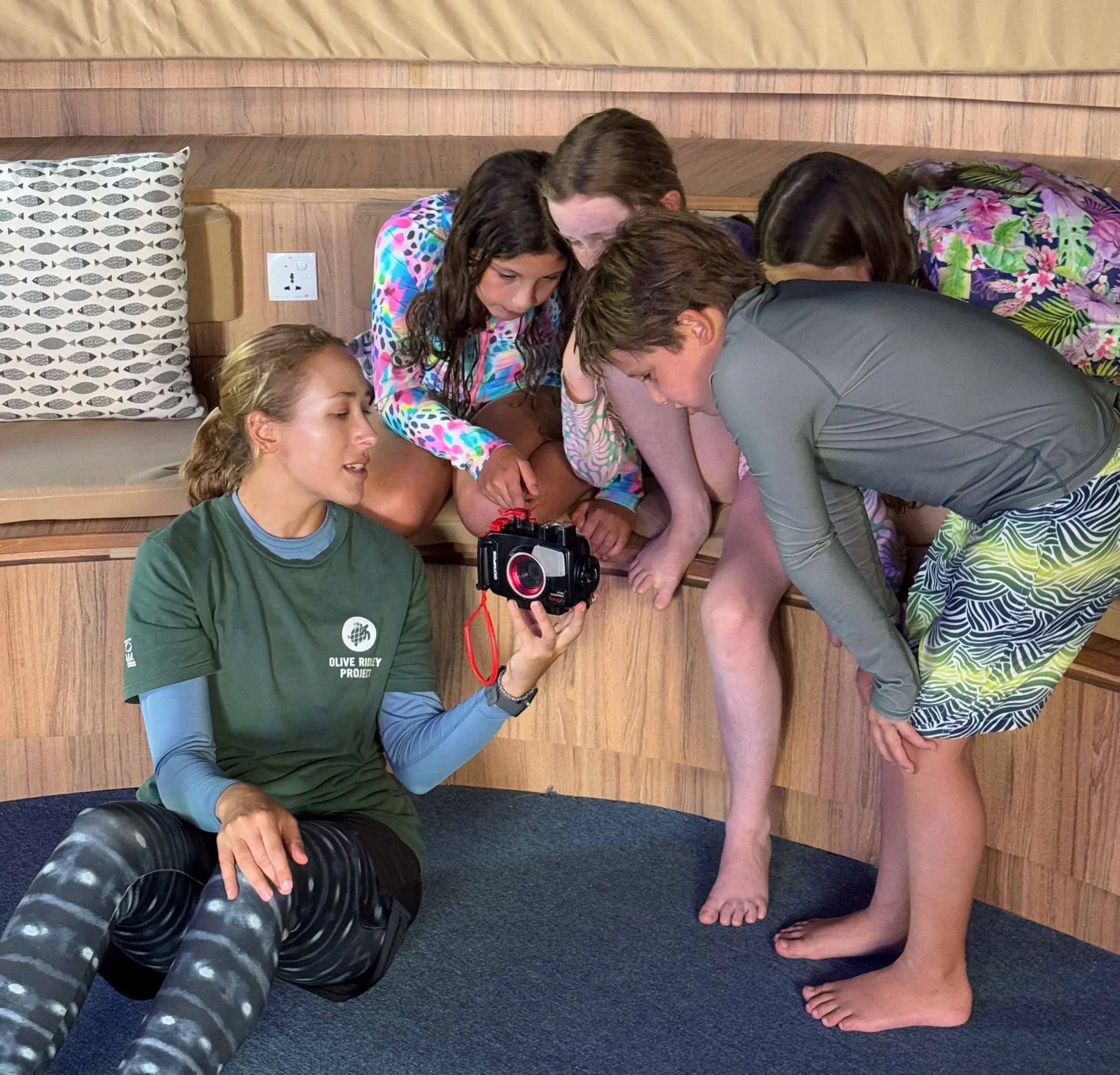
I use a TG-6 camera with an underwater housing (with a GoPro Hero 7 as well for backup). I also use a small Mares dive slate to record my observations. For new nests laid I also use a TinyTag TGP-4500 Gemini temperature and humidity logger to gain information on egg incubation conditions in turtle nests. Lastly, for nests in their hatching window, Reolink trail cameras are pointed at the sand so I can monitor the nest by looking on my phone in the Reolink app.
Project Spotlight
What project are you most involved in right now?
I am most involved in the nesting research. I keep a close eye on the green turtle nests laid on the island to ensure that they remain safe and undisturbed and to try and witness hatchling emergence. The goal to witness hatchlings leaving the nest is so I can collect data, supervise the hatchling’s safety and to provide a once-in-a-lifetime experience for resort guests. My primary role at a hatching event with guests is to provide information about what is happening, how they should behave and to ensure that no hatchlings are heading the wrong way. It can be a bit stressful! But overall, a beautiful experience which gives me immense job satisfaction.
What’s one recent moment that made you proud?
I felt proud when I was able to play a role in helping an injured olive ridley sea turtle that was found in Laamu Atoll. This turtle was found on L. Gan, entangled in a ghost net and missing a front flipper entirely. One of her back flippers was also badly wounded and she was unable to dive. ORP intern Sharoof brought her to SSL from Gan where she was kept comfortable in a tank in the dive centre. I then spent the next day coordinating with the engineering team, ORP and resort representatives to have a custom built box made for her and for plans to be made for her transport to the ORP Marine Turtle Rescue Centre (MTRC) in Baa Atoll. I personally went with her in the speedboat to Gan where she was then put on a domestic flight. She is now safely at the rescue centre, responding well to medical care, eating lots and once more being able to dive down under the water.
What challenges do you face in your work, and how do you overcome them?
One challenge that comes with the responsibility of monitoring the active nests is that you never quite know when the hatchlings are going to emerge. For example, although hatching usually occurs at night, one recent nest hatched during the late afternoon while I was still in the office! This means that on top of my other responsibilities I must be mindful of watching the nest at frequent intervals either through the nest camera or physically going to look during the work day and also at night. This can start to impact my sleep quality and personal life. I overcome this by learning to rely more on my intern Sharoof, wonderful MUI teammates and also a small group of dedicated ‘nestwatch’ host volunteers. They help me by taking hour-long shifts between 7pm and 11pm to look for any signs of hatchling emergence. I am very grateful for their support.
Impact & Purpose
Why does your work matter—to you, to the reef, to the community?
The work matters to me as I can see the difference that small interventions can make to the survival chances of turtles and I want to continue being a part of that. It gives me a sense of happiness and relief when I can shield hatchlings from anthropogenic dangers and educate guests on responsible sea turtle experiences so hopefully they do not take part in harmful ones on their future travels.
For the reef, sea turtle conservation matters a huge amount. Sea turtles are known as a ‘keystone species’, meaning that their presence is essential to the continued health of our ocean ecosystems. They provide ecosystem services such as: maintaining the health of seagrass meadows and coral reefs, controlling the number of jellyfish and even stabilising beaches in areas where they nest.
These outcomes have big positive impacts on local communities as one result of healthy seagrass meadows and coral reefs and a lower numbers of jellyfish is more stable fish stocks. Therefore, increased food and economic security. From an economic point of view they also bring in revenue to the country through tourism. For tourists to the Maldives, sea turtles are usually top of the list of animals they wish to see and they will pay to go to resorts where they may see them and for guided snorkels and dives.
What are the biggest changes you’ve seen since working at MUI / or since working in this field?
A huge change in the field was that the International Union for Conservation of Nature (IUCN) recently reclassified the conservation status of the green sea turtle from ‘Endangered’ to ‘Least Concern’. This big win is the result of better nesting beach protection, safer fishing practices and a reduction in unsustainable sea turtle harvesting. Global numbers have increased by 28%. These pieces of good news are extremely uplifting to those working in conservation! However, it is important to note that green turtles are still listed as ‘Vulnerable’ in the North Indian Ocean and ‘Endangered’ in the Maldives. Therefore, turtle conservation efforts in the Maldives are still very important.
How do you think tourism can better support marine conservation?
In my opinion this can be done through increased accessibility to information about the species and ecosystems that people have come to see and how they should behave around them. Often damaging behaviours such as standing on ancient corals and trying to hug turtles are not done through any desire to cause harm, but rather a lack of knowledge. In my experience, once people know that a behaviour is going to cause suffering or harm to the organism that they love and want to see, they no longer want to do it. Especially if the tour guide or others in the group are setting an example by respecting the rules as well.
How do you think tourism can better support the local community?
Tourists can venture out from the big resorts to visit or stay on local islands and buy crafts, visit establishments such as cafes and book with local guides for excursions such as snorkelling. Tourists can also make donations which can fund infrastructure, buy school supplies and pay salaries. For SSL, the sustainability fund is a way in which resort guests can give back to the local community in Laamu Atoll.
What is one moment with the community where you learned something?
I have been learning from local people’s experiences with turtles and have been educated on the history of turtle egg harvesting on nearby islands as well as the impacts on the community when this became illegal. I have gained a lot of insight into people’s feelings and beliefs on the subject of sea turtles in the Maldives.
Advice & Reflections
What advice would you give to someone wanting to work in marine conservation?
My advice would be to read lots to learn about marine ecology, threats and current conservation. As well as making you more employable this can help focus your interests so that you have a better idea of the path you want to take and where you want to go in the world. As well as that I recommend following lots of marine conservation NGOs on platforms such as Instagram as they often use social media to hire new people. I found out about this job through a post on Instagram!
How do you stay hopeful in the face of the climate crisis?
Personally, I struggle to stay hopeful. But, I do feel strongly about protecting and preserving the natural world as much as we can for as long as we can. Even if the only difference you can make is a tiny drop in the ocean in a Global context, it may have totally changed the outcome from negative to positive for some individuals or for a particular area.
What skills should someone have if they want to work as a marine biologist in a resort environment?
Working in a resort environment requires an understanding that your tasks as a marine biologist sometimes take a back seat so that you can facilitate guest activities. However, this adds a lot of value to your work as you get to see the stunning marine environment around you through fresh eyes everyday and help the guests learn more about marine conservation. It is important to have people skills and the confidence to speak in front of big groups.
If you could make others understand one thing about your job, what would it be?
Sea turtles work on their own schedule, you can make predictions about when nesting females will come to lay on the beach and when nests will hatch, but often the turtles find ways to do things that are completely unexpected. For example, a recent nest hatched before its 20 day hatching window even began! While this can keep things exciting it also means that my work hours can expand past the usual 9am-6pm and I can be called out at any hour of the night. However, the magic of being able to witness a mother turtle laying or being present for the hatchlings' very first steps makes the sleep deprivation worth it.
If you could tell the world one thing about the ocean, what would it be?
It has long been believed that the vastness of the Ocean made it invulnerable to our exploitation. As Rachel Carson wrote, we have taken a “certain comfort in the belief that the sea, at least, was inviolate, beyond man’s ability to change and despoil”. We now know this is not the case, that our ravenous harvest from the ocean has had deep and dangerous impacts on the delicate balance of the ecosystem. We have also learned just how vital the sea is to our very survival, with an increasing number of people becoming familiar with the message: “No water, no life. No blue, no green” (Dr Sylvia Earle). Without a healthy Ocean, life on this Planet is under threat.
We must all do our part to be Ocean stewards, doing things like making responsible seafood choices - not supporting the most damaging fisheries, reducing our use of plastics in daily life and avoiding harmful tourism experiences such as baited snorkelling with whale sharks.
Is there something you wish you would have known before you pursued this career?
I wish I had known that I would find the job of my dreams! There were so many moments in the last few years that I felt like I would never get to where I wanted to be and I had a lot of self-doubt. It would have been nice to know that my hard work would pay off and I would find myself working with sea turtles with a fabulous team in the Maldives.
Your favourite thing about the Maldives?
The kindness and humour of Maldivian people. My Maldivian teammates from MUI and the ORP are some of the absolute nicest people and they are constantly making me laugh everyday. I also learn a lot from them about what is going on in the country and experiences they have had growing up here and experiencing the marine environment since a young age.
Day-in-the-Life Snapshot
7:30 AM - Wake Up and breakfast in the staff canteen
8:30 AM - Join on a dive to collect Photo-ID data. If it is a guest boat I will also brief divers on the turtle species we may see and how they should act around them
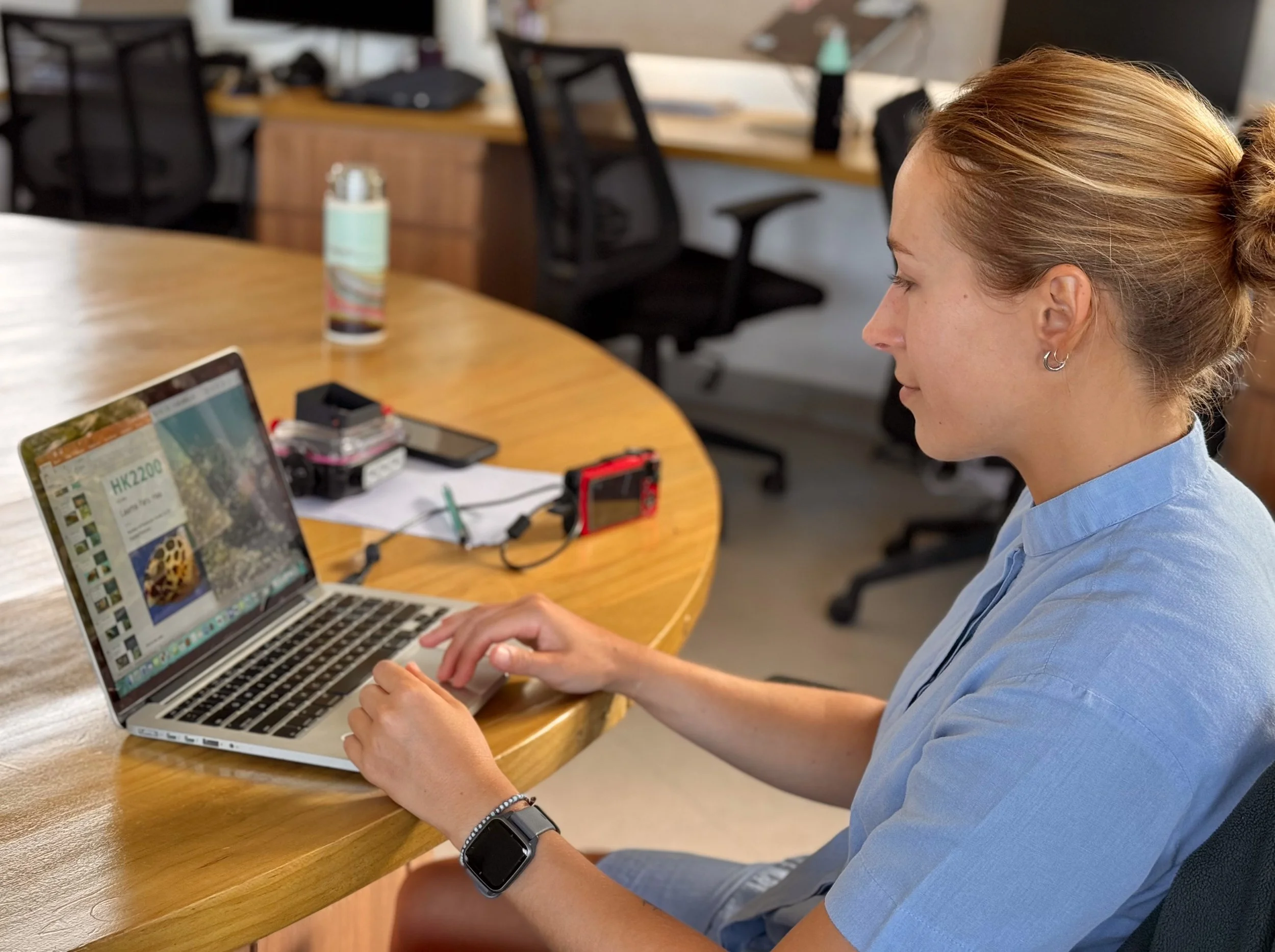
10:30 AM - Office time to input sightings data and identify any turtles spotted on the dive. Also to input any nesting data from the day before, go through my email inbox and update the ORP social media folder with new photos
12:00 PM - Lunch and quick nap
1:15 PM - Office time
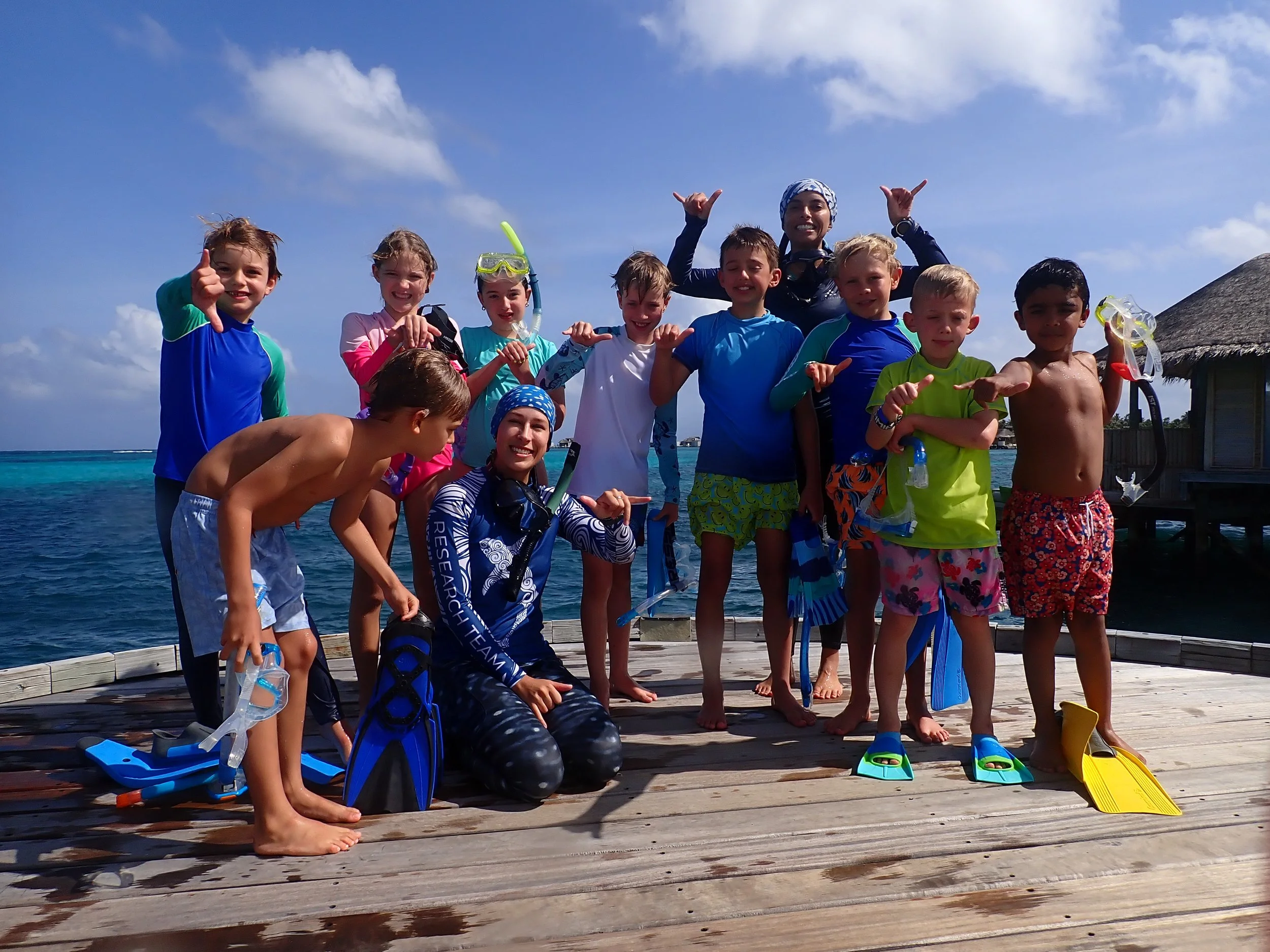
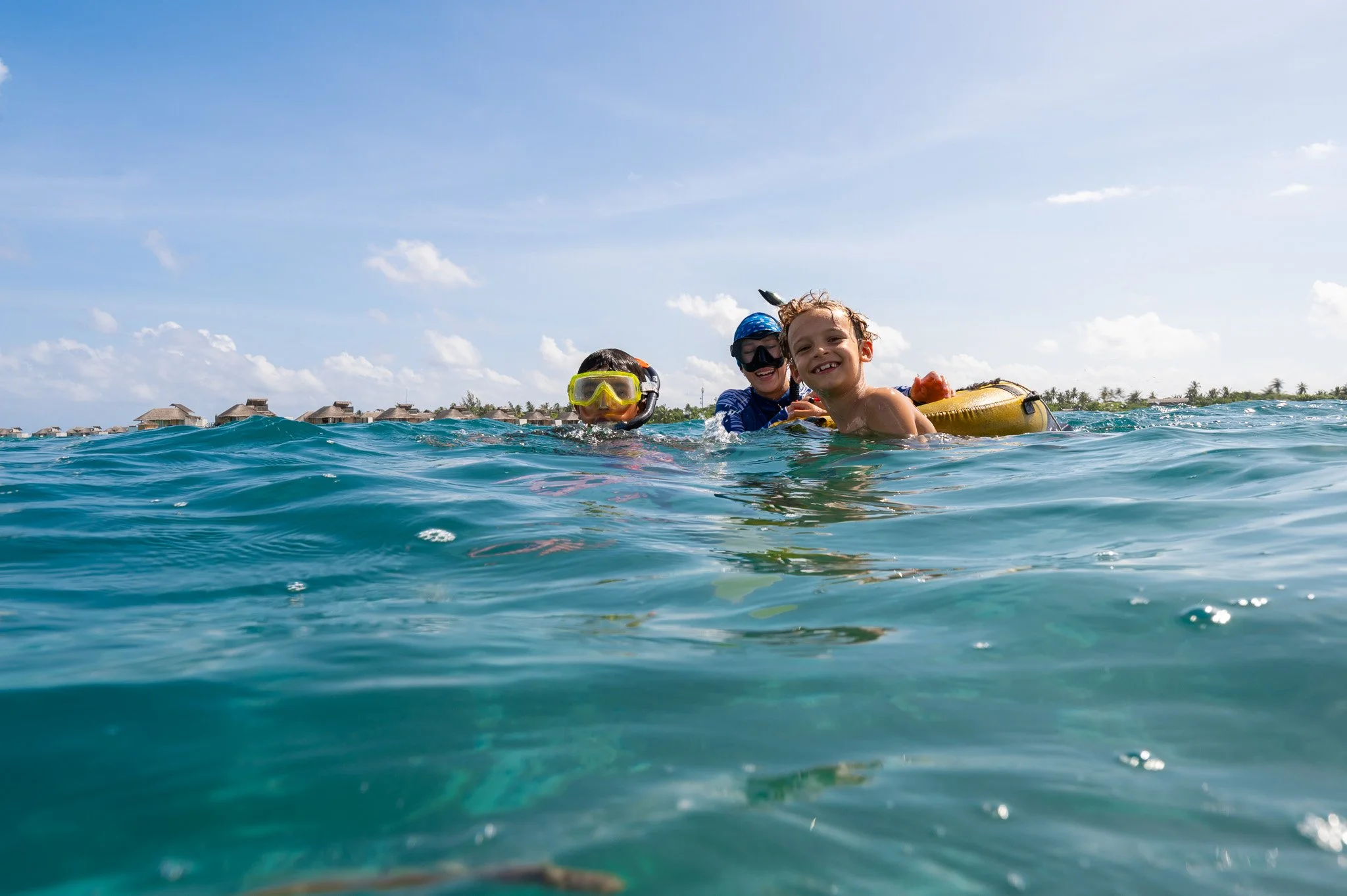
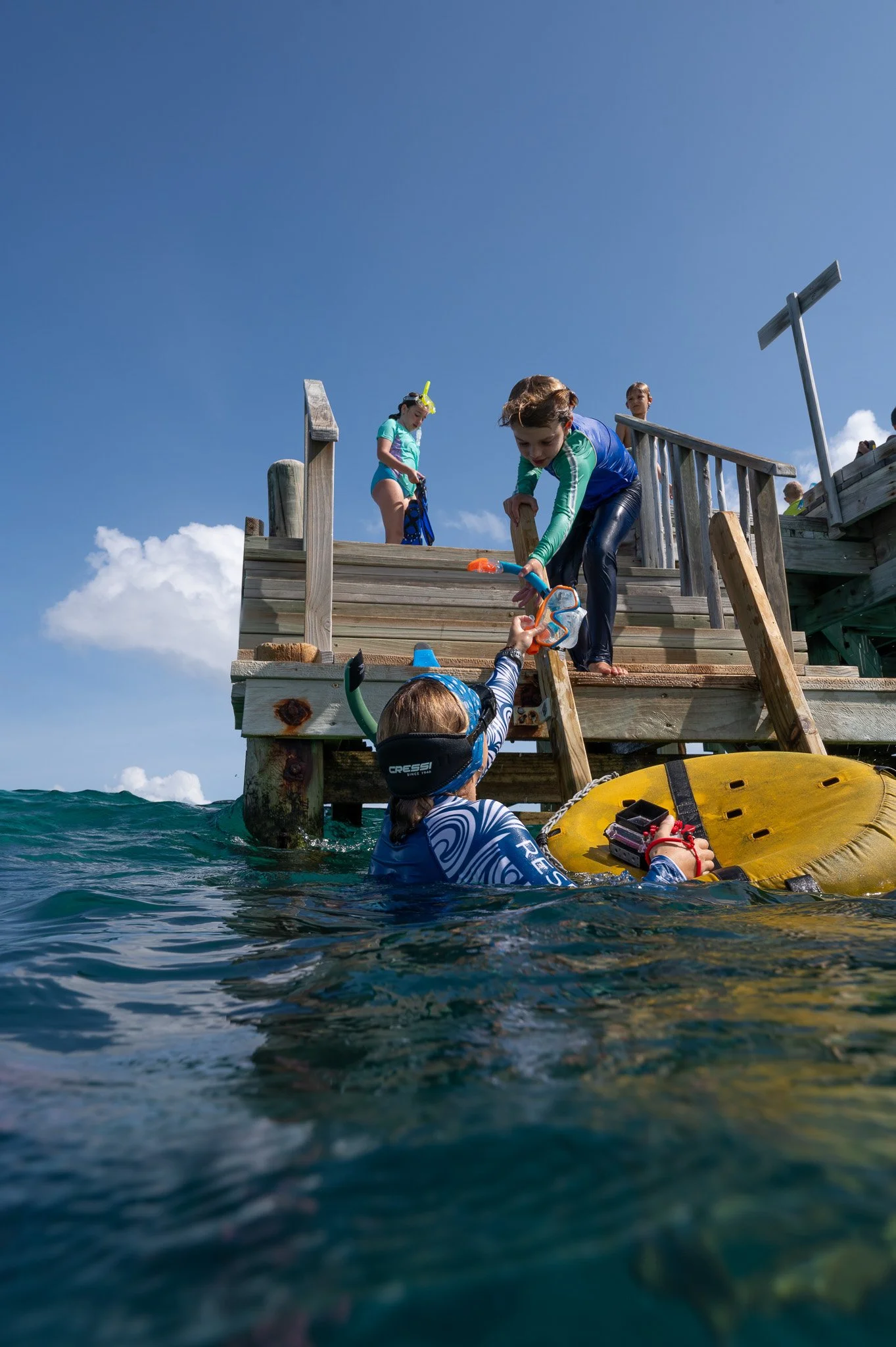
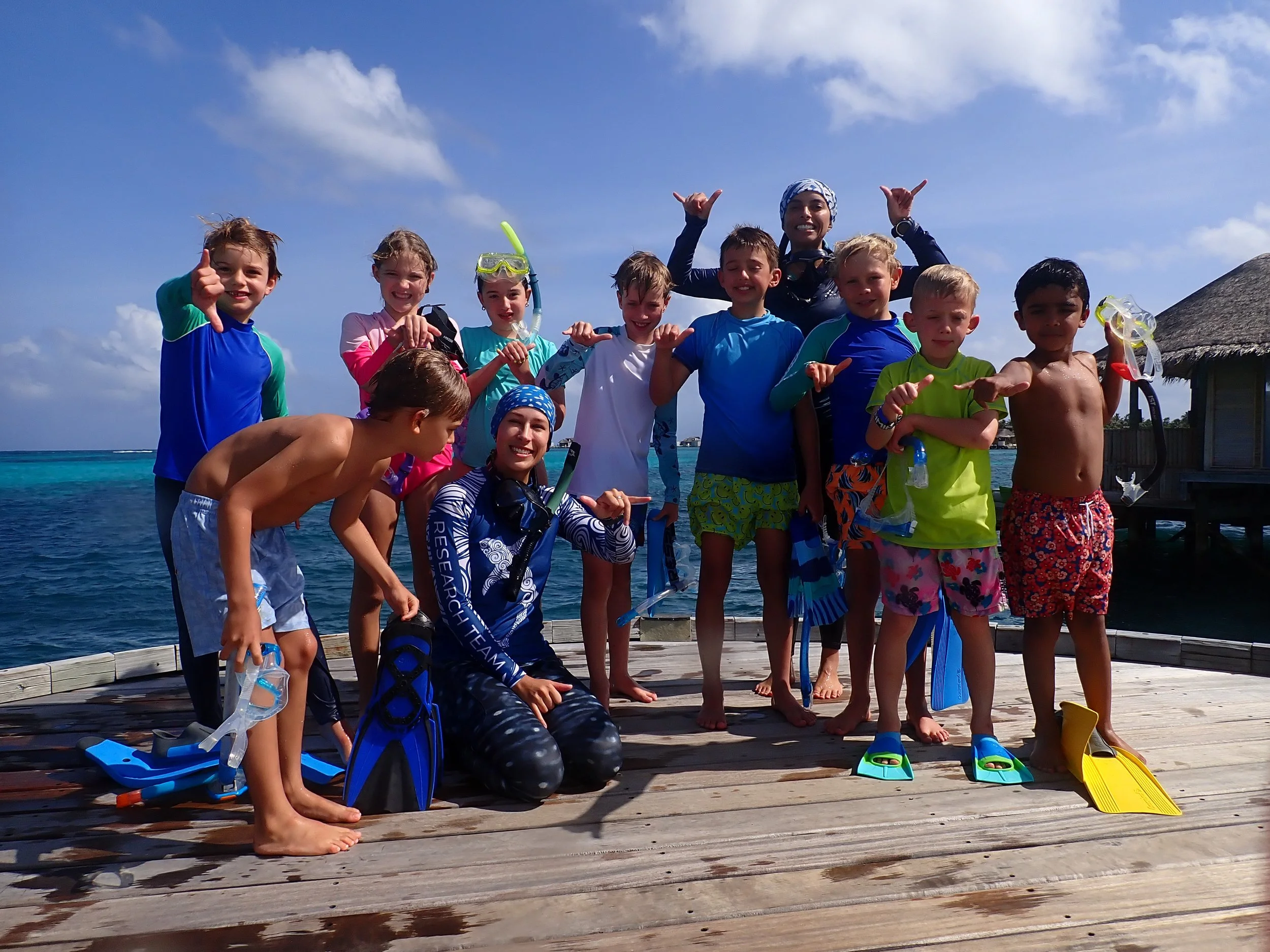
2:00 PM - Run a kids Junior Marine Biologist session or guide a 2hr ‘Sea Turtle Safari’ snorkel boat which takes guests out to two pristine reefs near Olhuveli Island. I brief the guests and add value to their snorkel experience by pointing out turtles and any other marine creatures such as the endemic Maldivian anemonefish. I ensure that guests behave respectfully towards any turtles we encounter
4:30 PM - Office time
5:30 PM - Recording any megafauna encounters from the day on the EOceans app
5:45 PM - Daily MUI team meeting to go over the schedule for the next day and discuss any concerns or things that we are proud of
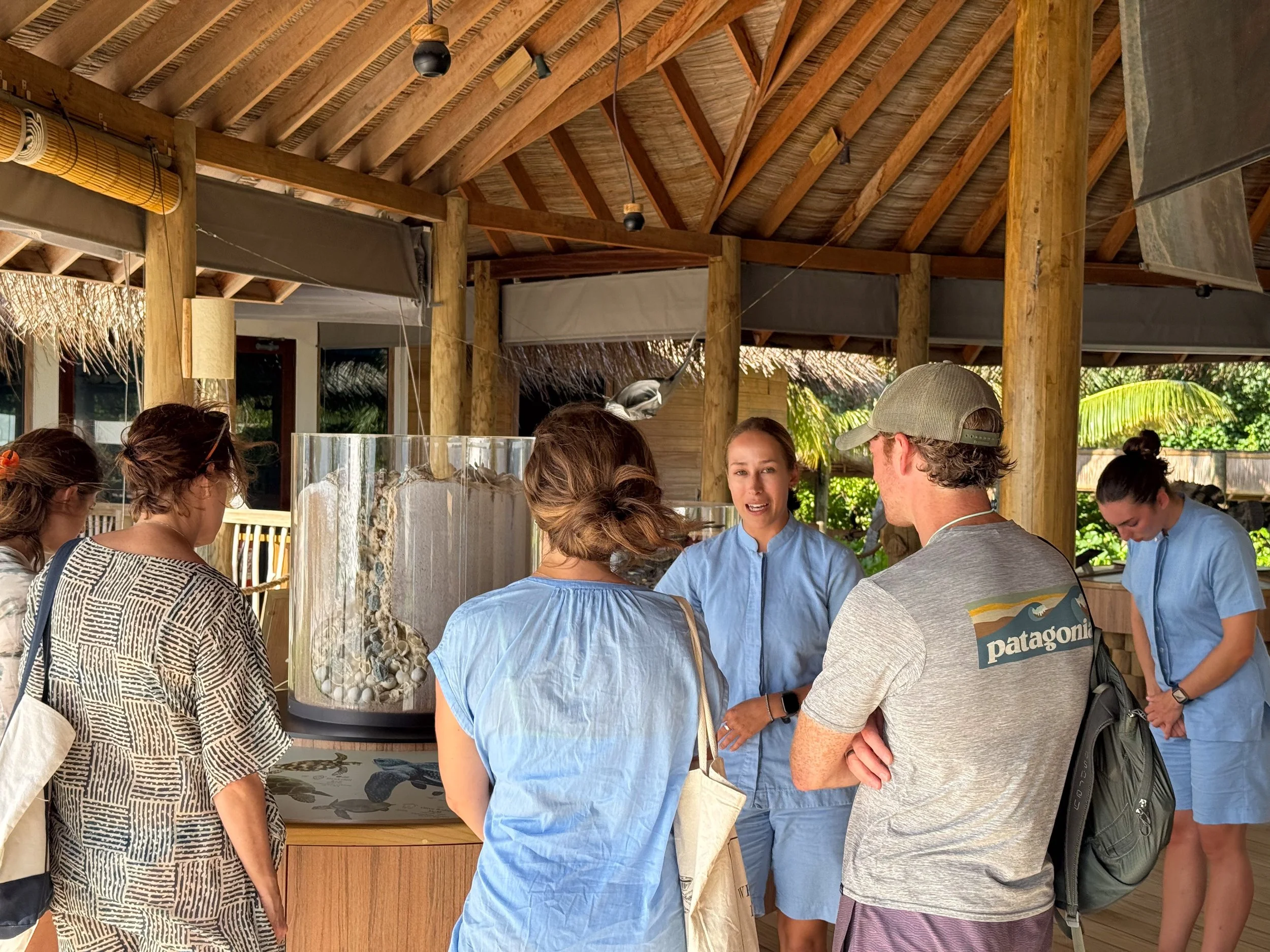
6:00 PM - Assist in closing down the Sea Hub of Environmental Learning in Laamu (SHELL) building. This is where we work and educate about the ocean
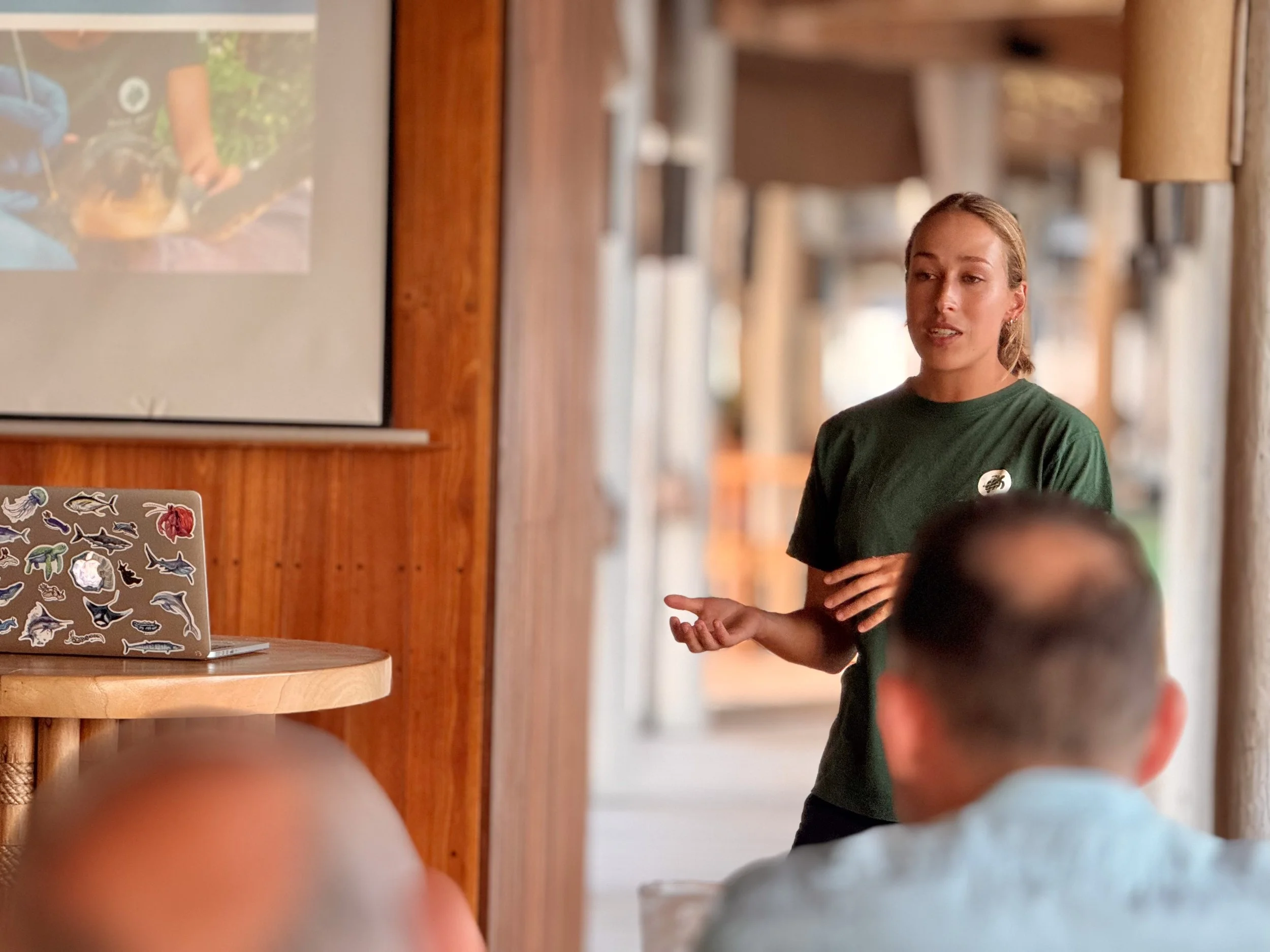
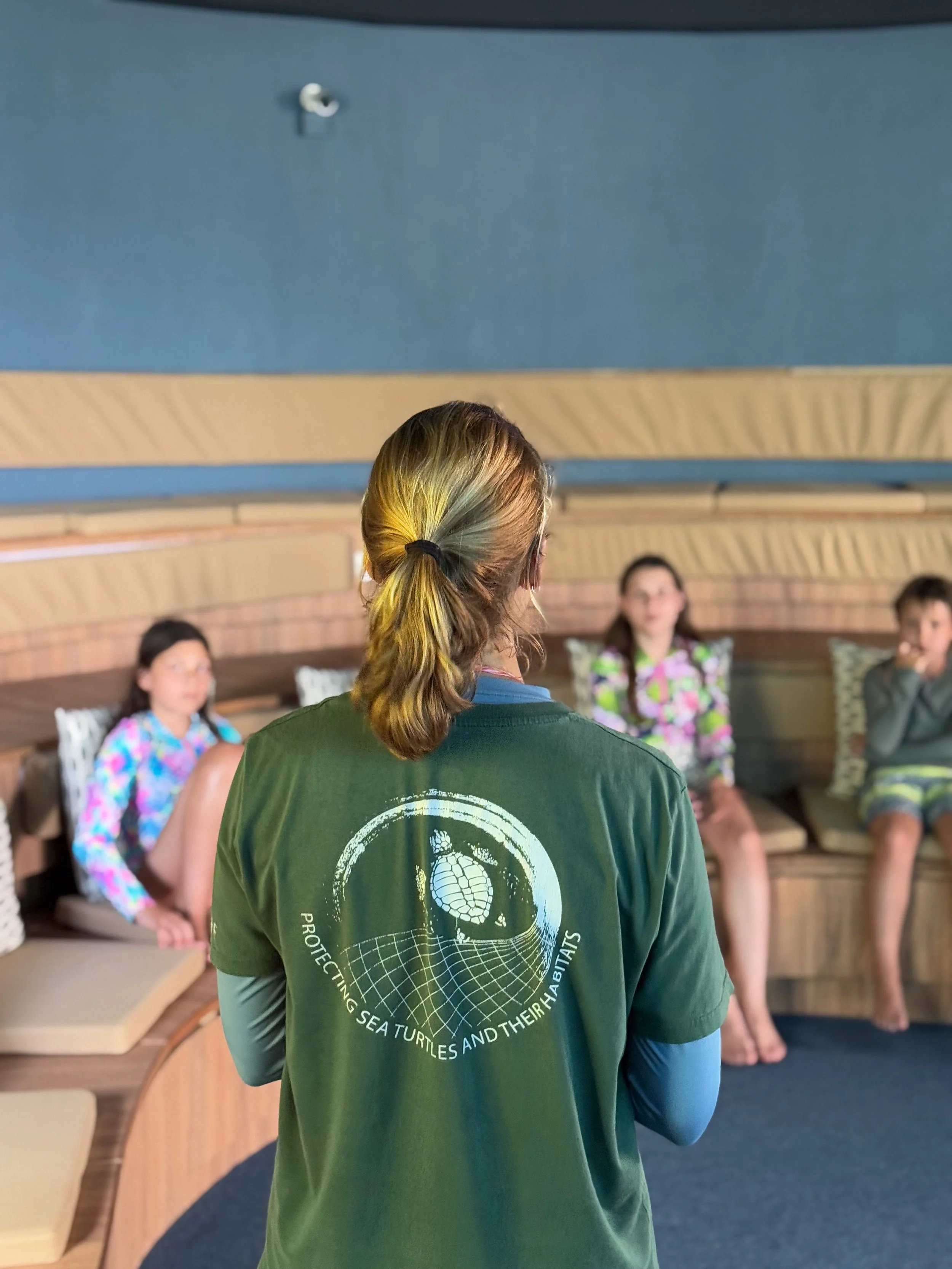
6:30 PM - Guest presentation about sea turtle biology research and conservation
7:30 PM - Dinner in the staff canteen with the MUI team
8:00 PM - Visit any turtle nest/nests in their hatching window and do an hour’s nestwatch shift
9:00 PM - Time to relax and wind down unless a nest starts to hatch. Then I will supervise the hatching event and coordinate with guests, the MUI team and security to ensure a safe hatch for the turtles with minimum disturbance. I will stay at the nest until the last hatchling is safely in the ocean.
What’s your favorite quote?
“It is a curious situation that the sea, from which life first arose, should now be threatened by the activities of one form of that life. But the sea, though changed in a sinister way, will continue to exist; the threat is rather to life itself.” - Rachel Carson, The Sea Around Us