
A DAY IN THE LIFE OF A MARINE BIOLOGIST - TALIA - MUI INTERN
This November in our “A day in the life of a Marine Biologist” series, we will be talking to and learning from Talia, MUI’s marine biology intern.
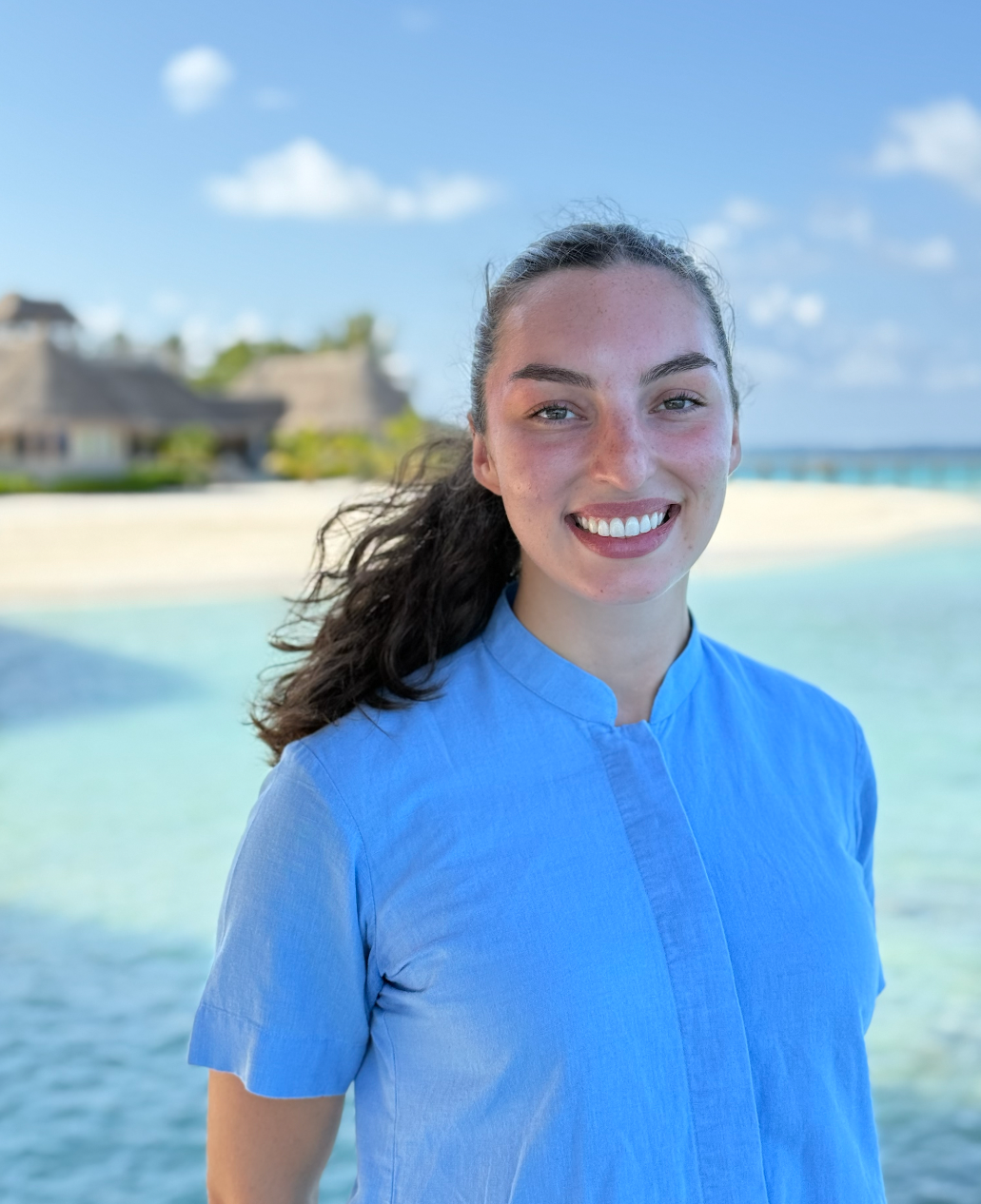
Talia is currently working as MUI’s marine biology intern and is involved with various MUI programs such as guiding snorkel tours, delivering scientific presentations, and facilitating educational activities. She is also heavily involved with MUI’s research projects such as coral micro fragmentation and restoration, and Maldives Resilient Reefs ongoing shark population baseline study.
What inspired you to become a marine biologist?
My love and interest for the ocean and marine life began in fourth grade when I saw the movie “Dolphin Tale.” I was captivated by the selflessness of the marine biologist, prosthetics designer, and young boy, and how they collaborated to help Winter the dolphin swim again. In my fifth-grade yearbook, I wrote I wanted to become a marine doctor because I did not know how to spell biologist. As I got older, a summer tradition of watching every episode of “shark week” with my mother fueled my passion for marine life (a tradition that continues to this day). Growing up in New York City, I was rarely exposed to marine education in school (even though it is surrounded by water!) and I could only learn through visiting various aquariums and independent reading. In part inspired by my childhood memories and fervent desire to become a marine biologist, I applied to schools that offered a strong curriculum and demonstrated a viable path to making that childhood dream a reality.
Now, with a degree in marine biology, I have embarked on a career journey with the goal of bridging the gap between science and the public. Ultimately, I would like to make marine science more accessible to people of all ages and geographic locations. Prior to MUI, I conducted shark population and density research using baited remote underwater video (BRUVs), and interned at an aquarium as an aquarist and guest educator. When someone recommended I apply for a MUI intern position, I immediately did as I knew it would be a powerful opportunity to combine my desire to conduct research while educating. As my internship continues, I am proud and beyond grateful for the opportunity to apply my knowledge while growing as a scientist and individual.
What’s something most people don’t realize about marine biology / working with the community?
Communication, collaboration, and creativity are essential in marine biology because they enable researchers to share discoveries, build upon each other’s work, and approach problems from diverse perspectives. Effective communication ensures that research is accessible, transparent, and applicable, while collaboration fosters innovation and accelerates progress by combining expertise from various fields. Creativity drives scientific breakthroughs by encouraging new ideas and solutions to complex challenges, and it becomes especially important when working in remote locations where thinking outside the box is often necessary to overcome unexpected obstacles. Together, these skills form the foundation for scientific advancement and a deeper understanding of the world around us.
A Typical Day
What does a normal workday look like for you?
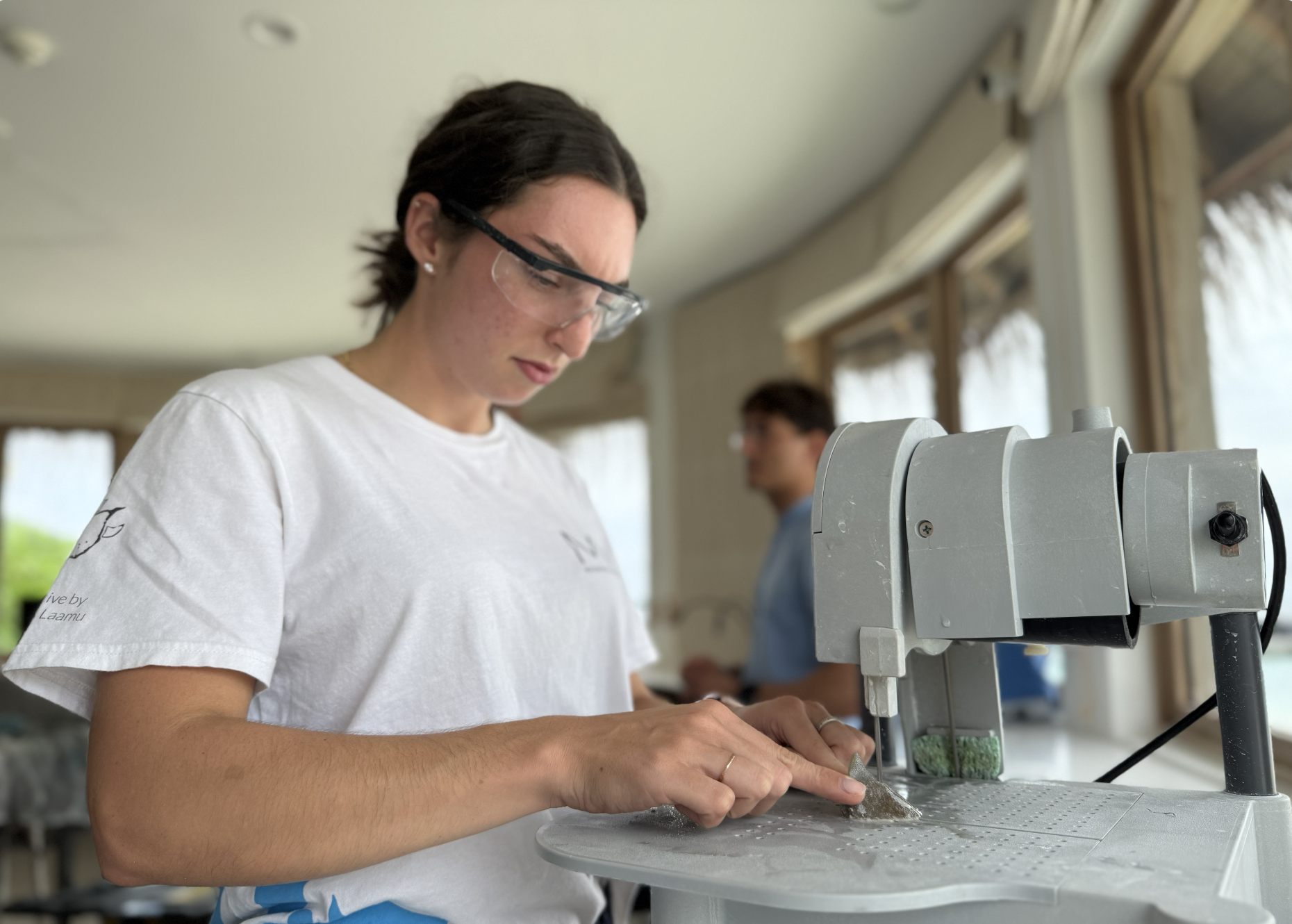
As an intern, no day is the same, which has been very beneficial because I have been able to gain experience in the various sectors of marine biology. On any given day, I can be leading guest activities such as guided snorkels, SHELL tours or dolphin cruises, as well as contributing to the various research projects. An ideal day is spent 50/50 on land and water whether it be an AM snorkel survey and PM data entry or vice versa. By splitting my time in this way, I have been able to maximize the education of others, as well as myself, which has been very rewarding.
How do you prepare for a dive or field day?
I have found that following the same routine allows me to enter the water feeling comfortable, confident, and ready for the day whether I am diving or in the field. I like to start the day with some light stretching to warm up for the day, followed by my usual breakfast of eggs, toast and fruit. I then head to the dive center where I can prepare and double check my gear before heading out on the boat.
What kind of data or observations are you usually collecting?
Regardless of my daily tasks, I am always equipped with a camera whether it is to capture turtle and manta ID photos or the coral species I am working with on that given day. I also collect statistics on the megafauna I see to contribute to our megafauna sighting database, which is vital in understanding seasonal shifts and marine protected area planning.
Project Spotlight
What project are you most involved in right now?
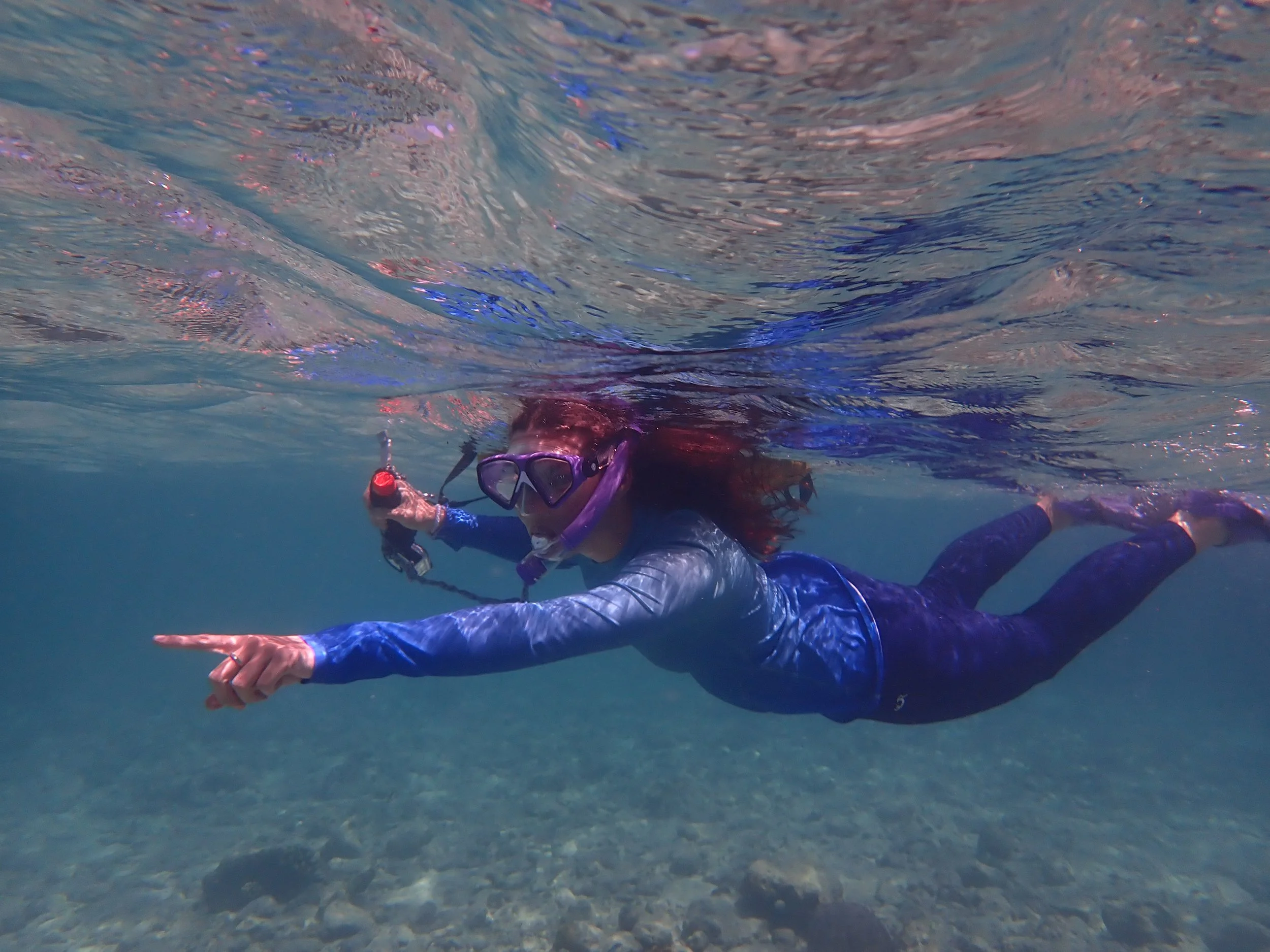
I have been most involved with the coral restoration project whether it has been micro-fragmentation or coral spawning. Micro-fragmentation involves taking selected corals and cutting them into small fragments, which triggers a regenerative response and causes them to grow 25 to 50 times faster than normal. The coral larval restoration project has been one of Six Senses biggest projects since 2021 and involves checking for eggs developing (a method called ‘coral cracking’), monitoring for spawning, and then placing spawning cones to collect and fertilize the eggs.
I have also been able to contribute to the launch of Maldives Resilient Reefs shark population and density study using baited remote underwater video systems (BRUVs). This has been extremely rewarding as I have been able to directly apply my undergraduate experiences to my post-grad work.
What’s one recent moment that made you proud?
In the beginning of November, the coral species Acropora secale had a mass spawning event and the MUI team successfully monitored for signs of spawning and deployed spawning cones. Once the larvae were successfully fertilized and ready for settlement, I was able to participate in the release onto the reef. It was an incredibly fulfilling moment watching the larvae swim down to settle on the reef after so much time and effort went into getting them to that stage.
What challenges do you face in your work, and how do you overcome them?
Prior to MUI, I had no background knowledge about corals or restoration, but I was very motivated to expand my skill set so I set aside some time each day to read papers and study coral identification guides. Once I had a baseline understanding and was able to compare what I had read to what I was seeing on the reef, it was much easier to answer my own questions and learn from the reef itself. As a scientist, it can be overwhelming to have an abundance of information and data and not always be sure what to do with it, so I have found it very helpful to write down the major points and use those to discuss it with a peer. This allows me to further my understanding while sharing the science with someone else.
Impact & Purpose
Why does your work matter—to you, to the reef, to the community?
For me, this work represents the fulfillment of a childhood dream to become a marine biologist. Like many careers in STEM, my path hasn’t always been linear, and there have been moments when I questioned whether it was worth the effort. But every day I show up, I’m reminded of how grateful I am to contribute to something meaningful. I work hard to make a younger Talia proud and to inspire other young girls to pursue their dreams, no matter how out of reach they may seem. In doing so, I’m also supporting the community by sharing knowledge that helps protect their reefs and their homes for generations to come. Ultimately, it is the community who holds the power to protect these ecosystems.
What are the biggest changes you’ve seen since working at MUI / or since working in this field?
Since starting at MUI, I’ve seen guests develop a much deeper appreciation for the ocean, particularly in how they view seagrass. It’s been incredibly inspiring to play a role in shifting their perspective. I believe that as we continue to share our research and educational content, more people beyond our guests will begin to understand the importance of these ecosystems and feel motivated to protect and preserve them.
How do you think tourism can better support marine conservation?
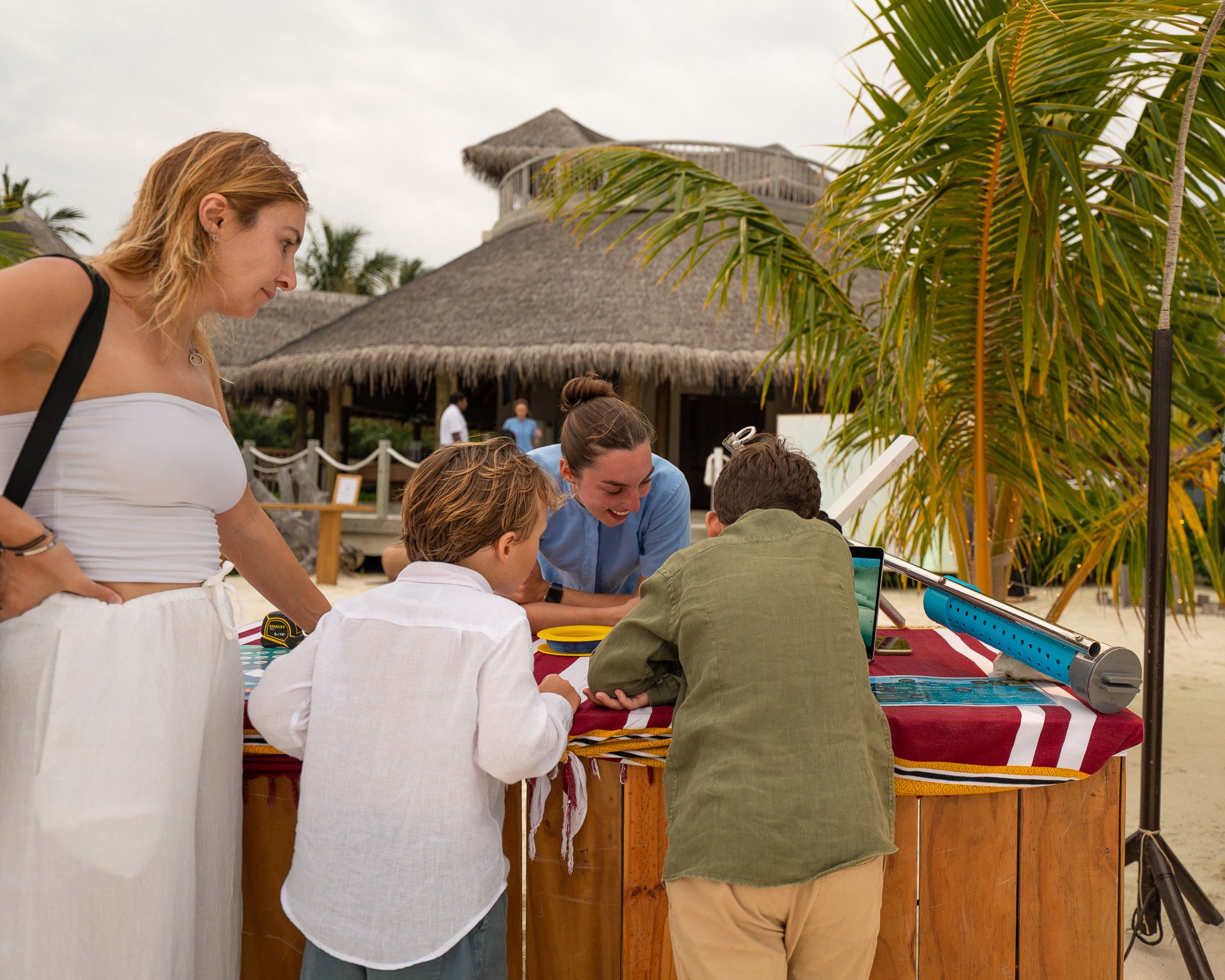
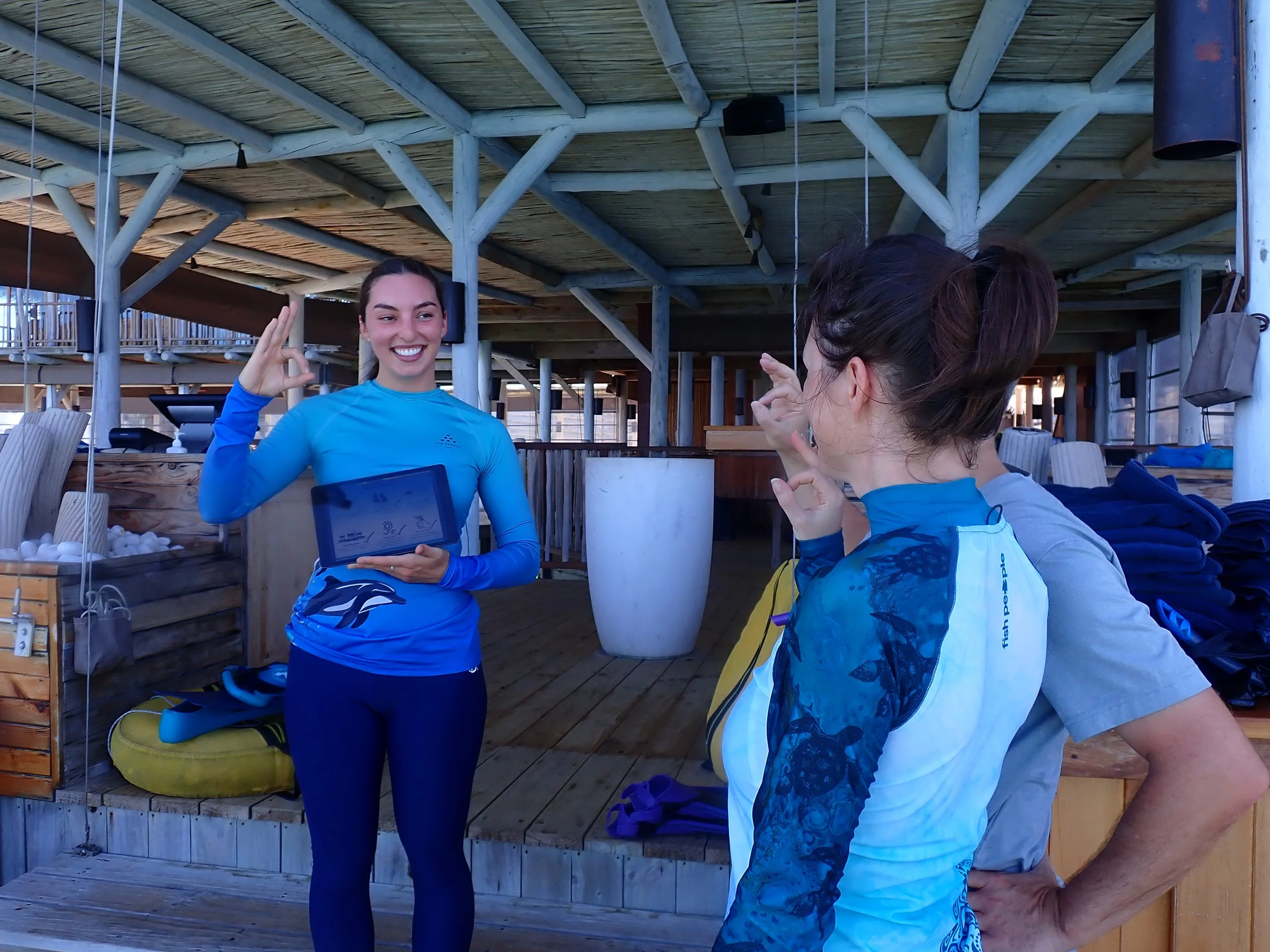
Tourism plays an important role in supporting marine conservation, especially in the Maldives. When we take guests snorkeling or welcome them into the SHELL, we’re not just giving them an experience — we’re sharing knowledge that they can bring back to their communities. Education is essential; the more our guests understand, the more empowered they are to make ethical and sustainable choices. Tourism can further support conservation by prioritizing responsible companies, reducing environmental footprints, and investing directly in local conservation initiatives. In this way, tourism becomes a powerful tool for spreading awareness and inspiring broader support for marine conservation.
How do you think tourism can better support the local community?
It’s important to expose tourists to local communities and customs so they can develop a deeper understanding of the culture that surrounds the places they visit. When tourism highlights local traditions and ways of life, it encourages visitors to support locally owned businesses, which helps money stay within the community. Meaningful cultural exchange also fosters respect and appreciation, strengthening the connection between visitors and residents. By choosing experiences that are rooted in authenticity and benefiting local people, tourism can become a powerful force for community empowerment and sustainable development.
What is one moment with the community where you learned something?
On World Tourism Day, the Hithadhoo council invited guests and hosts to support the local community and experience the Maldives beyond resort life. I really appreciated the opportunity to visit a local island and learn about its history and culture firsthand. One fact that stood out to me was that coral was used to build homes until 1995, when harvesting it was made illegal. This was an insight that made me appreciate the resourcefulness of the community and the crucial need for conservation.
Advice & Reflections
What advice would you give to someone wanting to work in marine conservation?
Working in marine conservation can be challenging, especially with the competitive nature of the field, but persistence and passion are key. Stay consistent, and eventually, opportunities will come — sometimes even without extensive experience, your enthusiasm can make all the difference and help you stand out. You must put in the effort because jobs won’t chase you, so you need to be proactive and pursue them with determination.
How do you stay hopeful in the face of the climate crisis?
The scale of the climate crisis can feel overwhelming, especially when the media often focuses on the negative. It can be hard to believe that any one person can make a difference. For me, staying hopeful means celebrating the small wins in conservation and sustainability. I believe focusing on local, smaller-scale changes is just as important as the big picture. When more people adopt sustainable practices, even in small ways, it creates a ripple effect that can inspire others and lead to a larger collective impact. Change doesn’t always have to come from grand gestures; it’s everyday actions that add up and truly make a difference.
What skills should someone have if they want to work as a marine biologist in a resort environment?
You need to be able to adapt and communicate complex concepts to people of all ages and backgrounds, which requires patience, compassion, and enthusiasm. You must also be prepared for a rigorous work schedule. The hours can be long, especially when working in the field and exposed to the elements but I stay motivated by remembering why I chose this career and that nothing excites nor inspires me more than the ocean.
If you could make others understand one thing about your job, what would it be?
Being a marine biologist is much more than swimming with fish; I spend as much time in the field as I do in the office. Of course, fieldwork is a large portion (and perk) of the job, but there’s no benefit in collecting data if it isn’t analyzed and applied. The real impact comes from turning those observations into meaningful insights that guide conservation and management decisions.
If you could tell the world one thing about the ocean, what would it be?
Enjoy the ocean as much as you can, because it’s a living world full of wonder that needs our care to stay vibrant. The ocean is a sanctuary for both marine life and people, and its rhythms sustain more than we often realize. When we cherish and protect it, we help ensure its beauty and life endure for generations to come.
Your favourite thing about the Maldives?
Moving to a remote island halfway around the world can feel daunting, but my MUI colleagues and the entire Six Senses Laamu team welcomed me with open arms into their homes, traditions, and daily rhythms. Though cliché to say, the people truly make the place in Laamu. There is no shortage of laughter, curiosity, and kindness among hosts, and I will leave with a deepened appreciation for culture, connection, and friendship.
Day-in-the-Life Snapshot
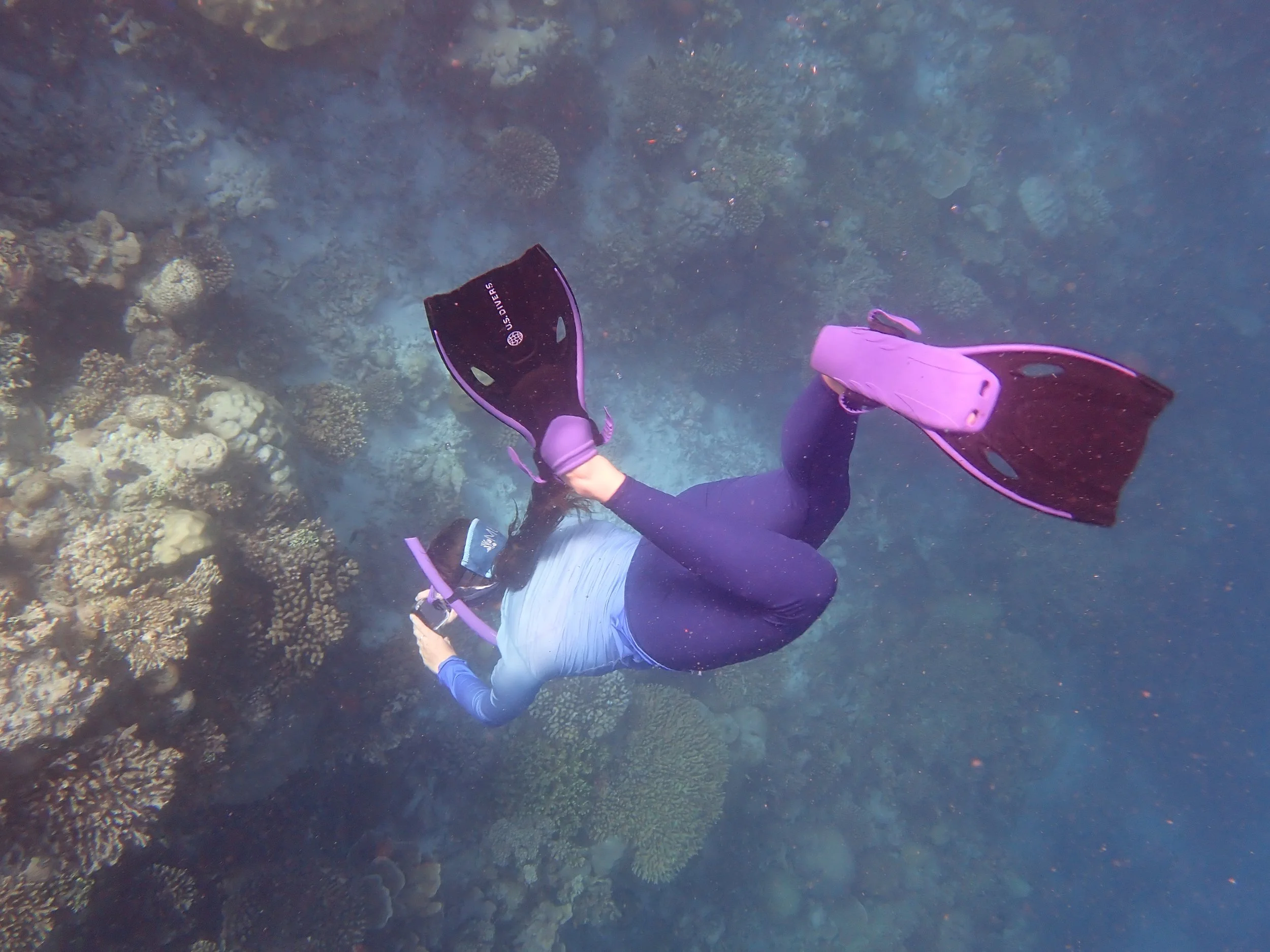
7:30 AM: wake up and breakfast in the staff canteen
8:30 AM: research boat to deploy BRUVs with Abby (project assistant for MRR)
11:00 AM: guide guests on a house reef snorkel
12:30 PM: lunch
2:00 PM: coral micro-fragmentation session
4:00 PM: data entry
5:30 PM: daily team meeting to discuss the day and the plans for tomorrow
6:30 PM: guest presentation about shark biology and conservation
8:00 PM: dinner with MUI team and wind down
What’s your favorite quote?
“Change and challenge is where opportunity lies” - Amy Purdy.