
A DAY IN THE LIFE OF A MARINE BIOLOGIST - JEMMA - UNDERWATER PHOTOGRAPHER & MUI INTERN
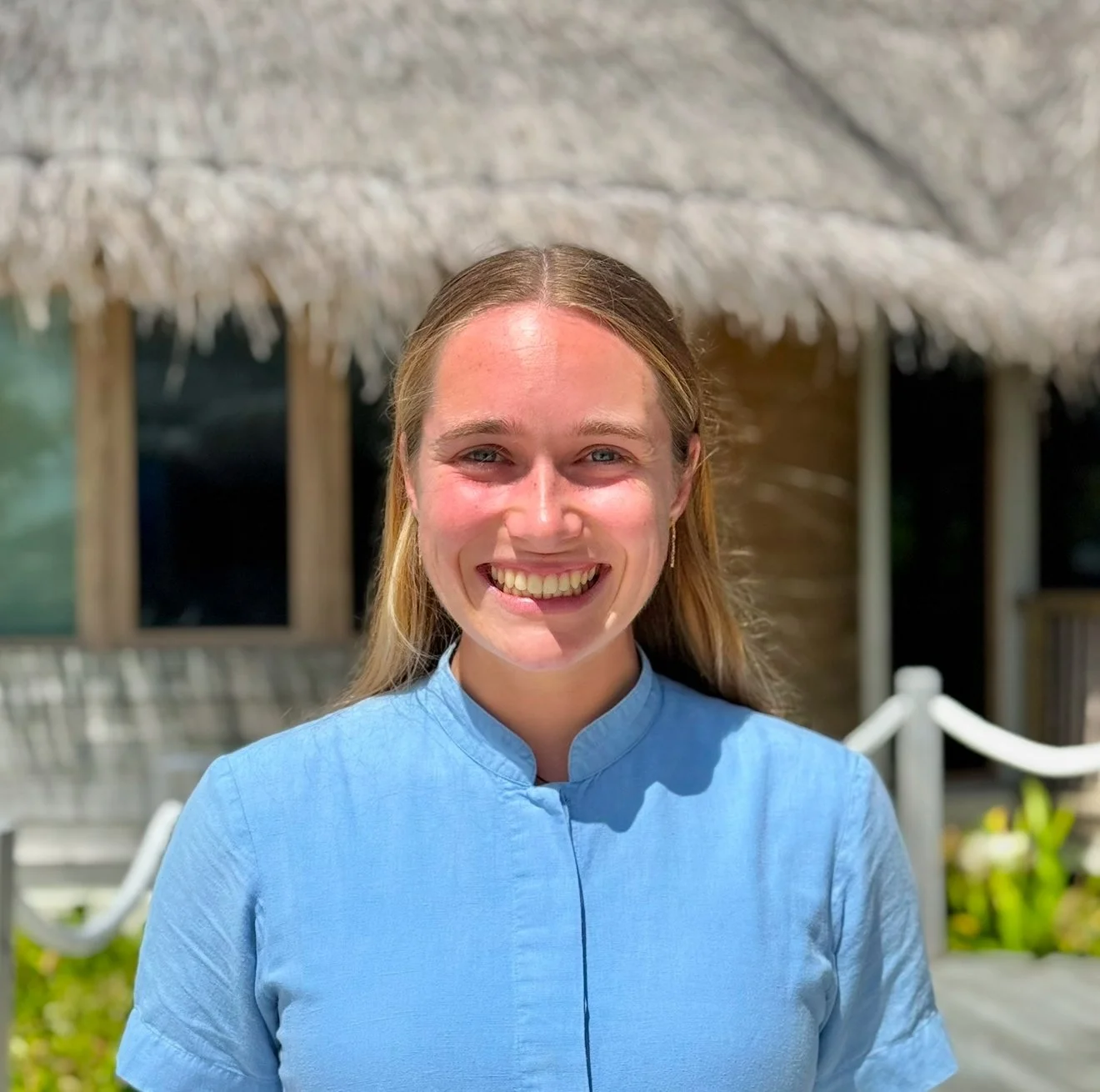
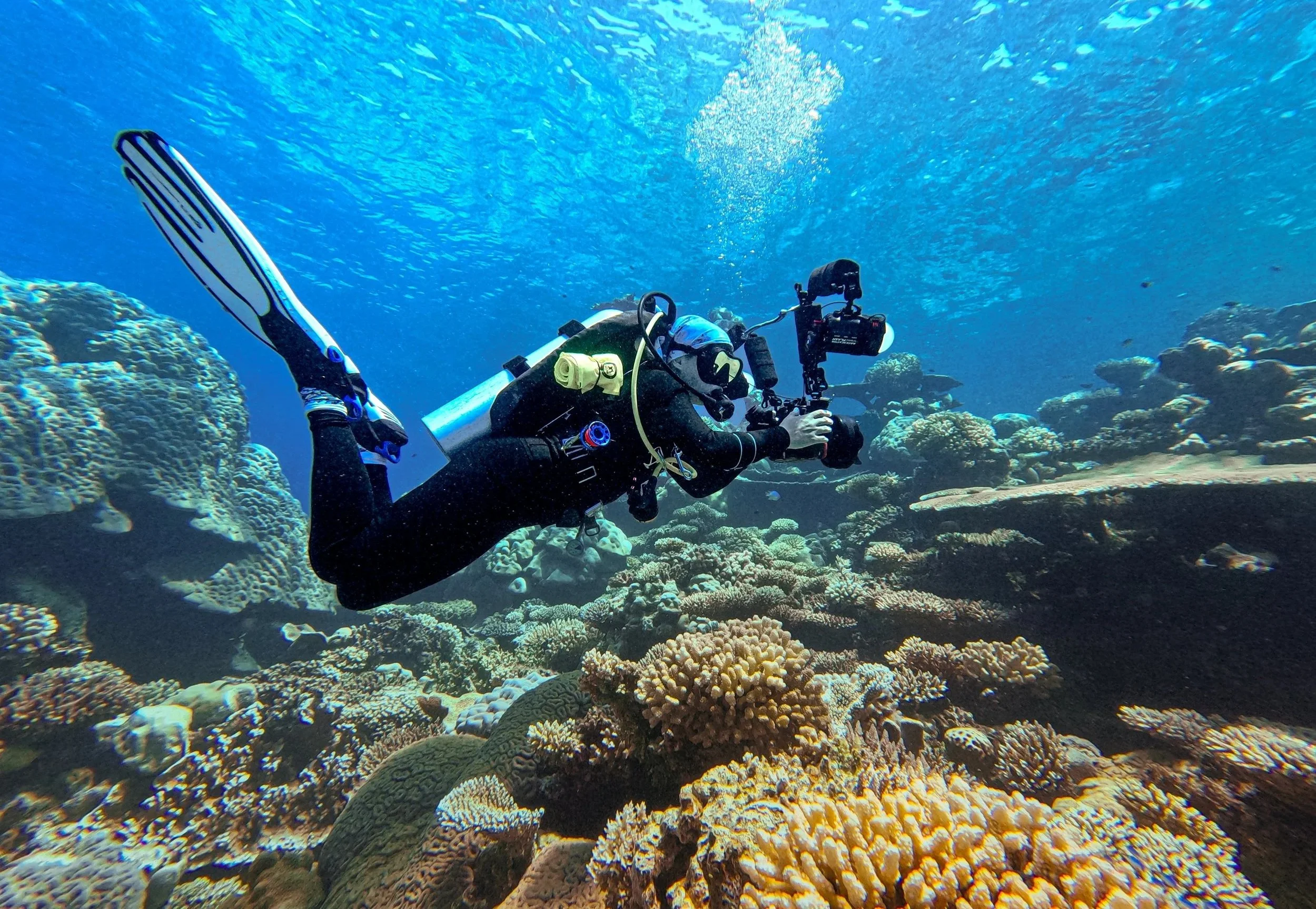
This month in our new series of: “A day in the life of a Marine Biologist”, we will be learning from Jemma, MUI’s Underwater Photographer and Marine Biology Intern at Six Senses Laamu.
With Jemma’s background in media, she primarily focuses on documenting the team’s ongoing research projects and Laamu’s incredible biodiversity. When she’s not underwater with her camera, she spends her time editing MUI media, working on guest education activities, and compiling multimedia for forthcoming magazine articles.
Jemma, what inspired you to become an underwater photographer?
Growing up in coastal California, I often spent my free time exploring local marine ecosystems, from swimming with leopard sharks to diving amongst towering kelp forests. Inspired by these incredible environments, I began bringing a small camera along on my ocean adventures and fell in love with sharing the underwater world through photography. Soon after, I learned more about the critical threats facing California’s marine ecosystems, with kelp coverage declining by over 95% in some areas. The more I found out about kelp loss, the more I felt compelled to pursue underwater photography to support conservation and raise awareness for the most pressing issues facing our oceans.
Can you tell us a bit about your journey—how did you end up working with MUI?
After graduating with degrees in Environmental Politics and Journalism, I dove (quite literally) into the marine world and became a scuba instructor in California’s Channel Islands. Surrounded by some of the most pristine kelp forests in the region, I spent a year taking every opportunity to document the incredible biodiversity below the surface, from the thriving stands of Giant Kelp to endangered Giant Black Sea Bass. With that photography foundation, I was incredibly fortunate to be selected as the 2025 OWUSS Paul Schutt Underwater Photography intern, giving me the once-in-a-lifetime opportunity to develop my camera skills and connect with experts in the field of marine communication and conservation. One such individual was Marteyne, the General Manager of Six Senses Laamu, who generously invited me to spend the second phase of my internship here at MUI!
What’s something most people don’t realize about marine biology / working with the community?
You don’t need to be a marine biologist to make a difference for our oceans! There are so many ways to support marine biology and education that go beyond traditional science, whether it’s working in policy, sustainability, communication, or another related field. Within our MUI media team specifically, we work to bridge the gap between our science and the general public, empowering our team’s research with the visuals and storytelling necessary to reach a wider audience. Though our science will always be our foundation, the media we produce is often absolutely critical to raising awareness and connecting with people, in Laamu and beyond.
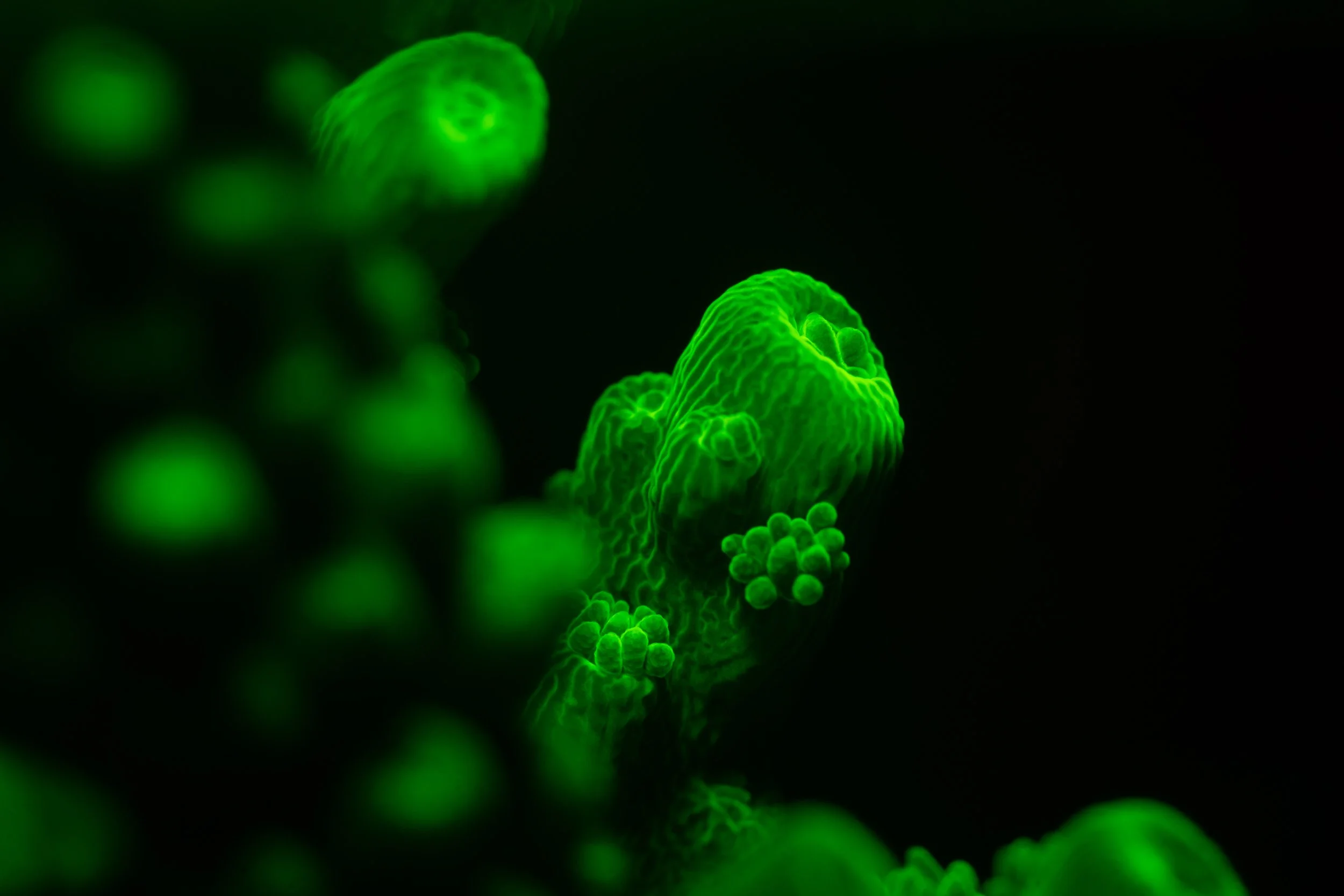
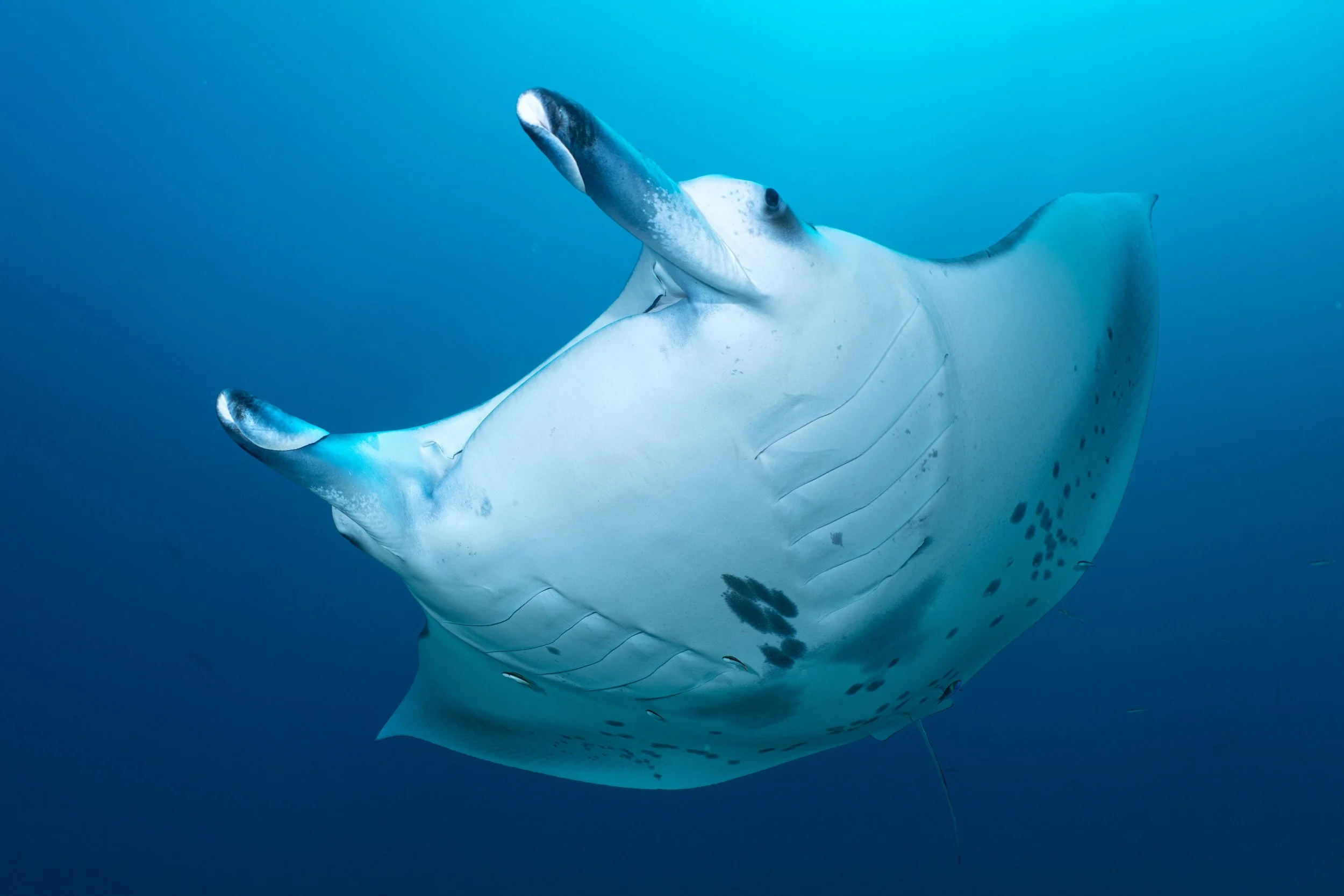
Photos by Jemma Paradise
A Typical Day
How do you prepare for a dive or field day?
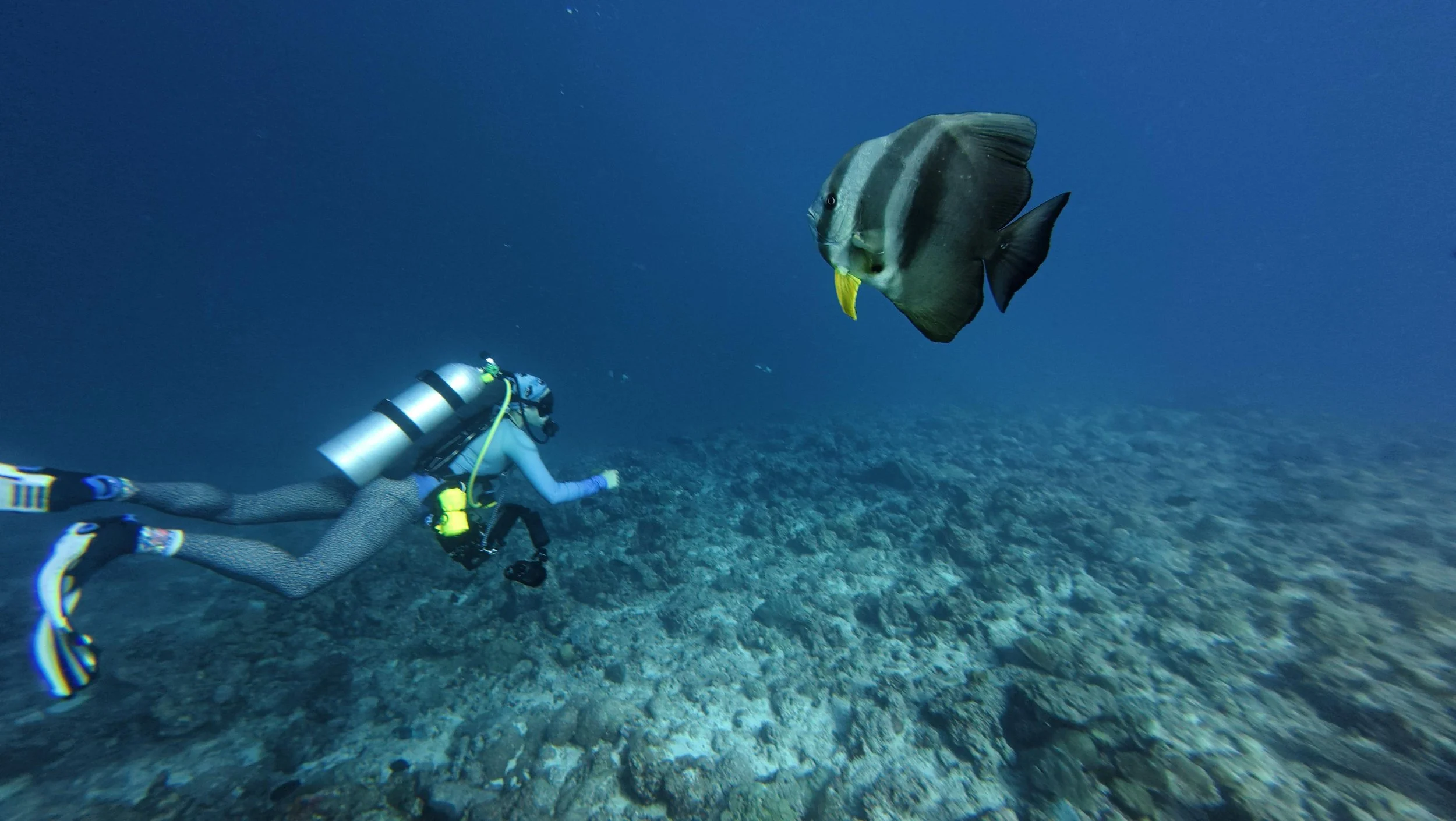
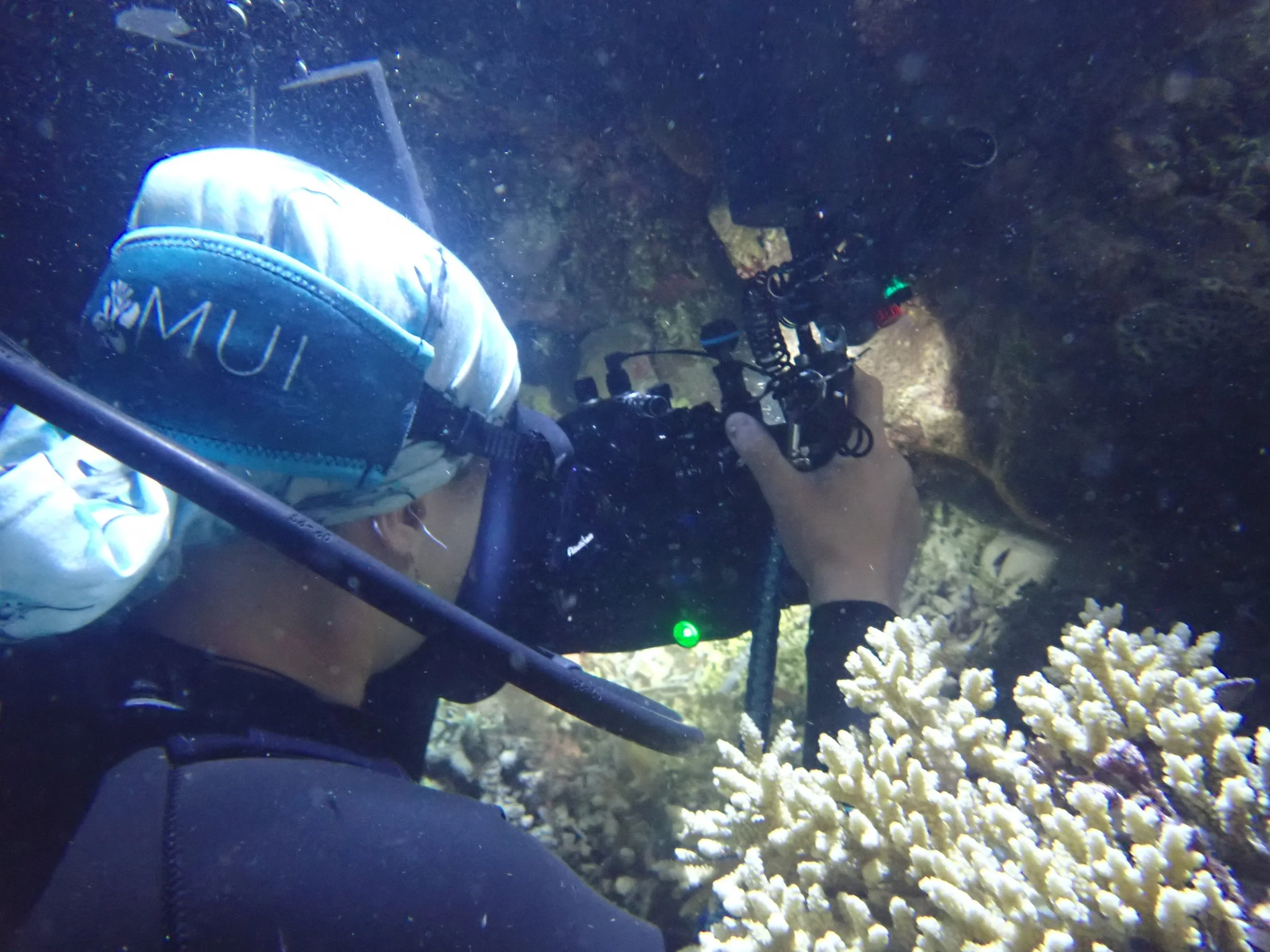
A photography session starts well before I jump in the water! I start by prepping the camera - there’s a lot of different considerations, depending on the subject I’m shooting and the site we’re visiting! The night before, I ensure that all of my equipment will be ready to go - charging my batteries, sorting out my memory cards, and gathering any other equipment needed. Before the field day, I always arrive well before the scheduled dive to make sure I have ample time to finish prepping my equipment and set-up my most crucial camera settings, to make sure things will run smoothly underwater and give myself the best chance of shooting good photos! Once I’m ready and on the dive boat, I chat with my science buddies, to establish what content they need and coordinate the dive (as it’s a lot harder to communicate a photo plan when underwater!). Finally, I do a last check that my camera is nice and watertight, and then I jump in!
What are you usually collecting on these dives?
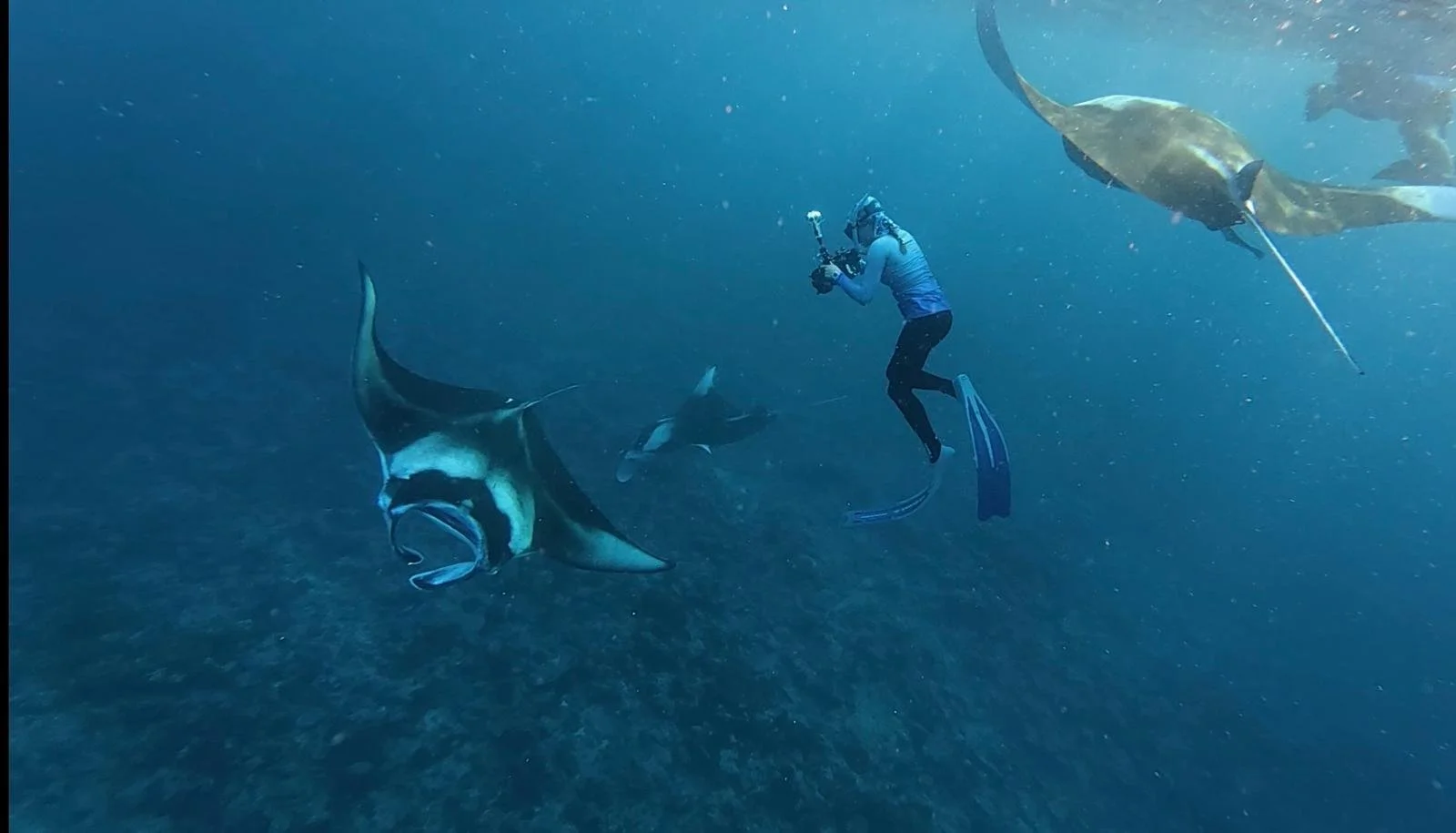
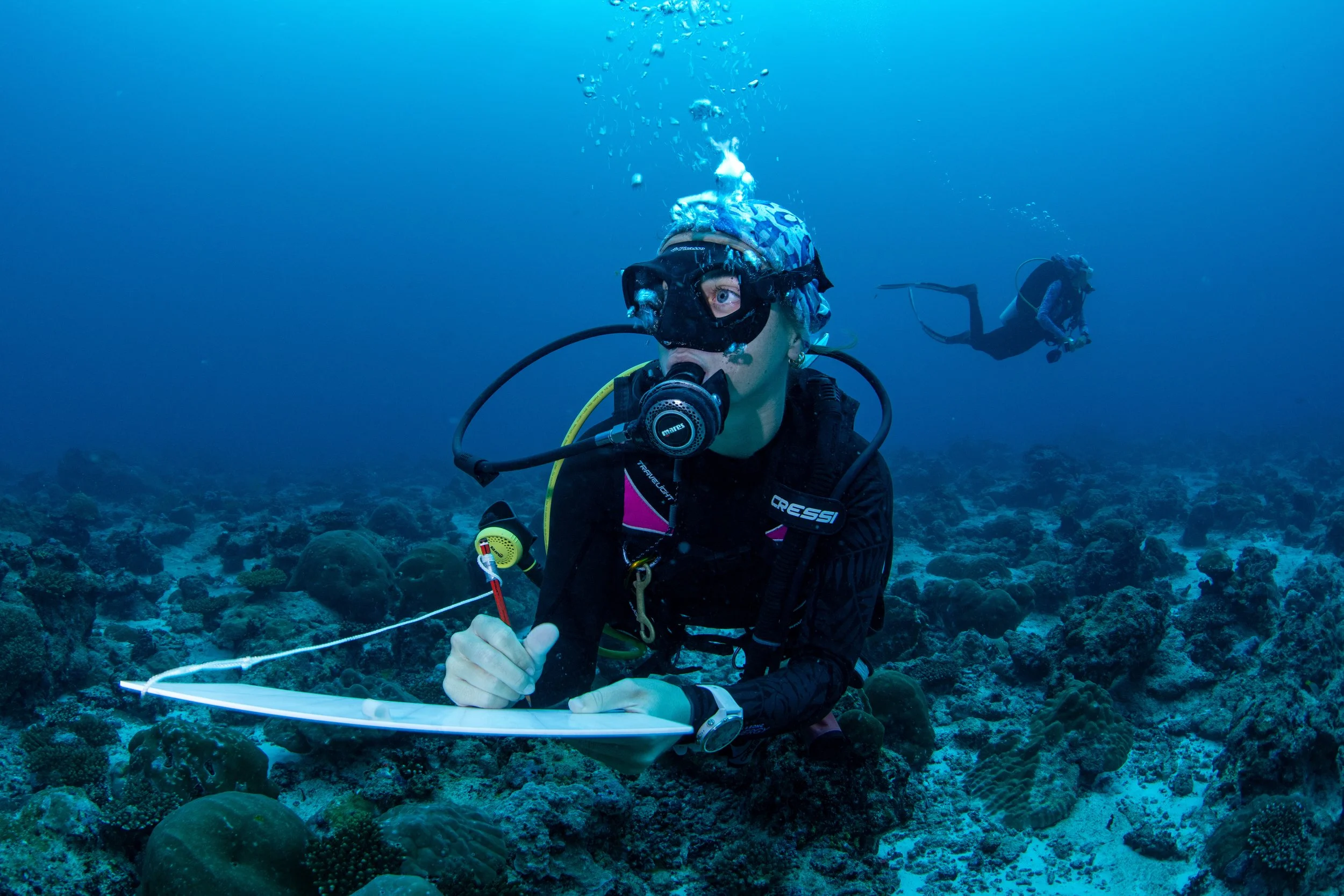
This depends on the dive! Often, I focus on getting wide shots of our scientists in action, such as photos of our manta team taking ID pictures or our coral team conducting transect surveys - all perfect for showing the range of work that we do here. Other times, I aim to document a specific species or animal behavior, ranging from massive megafauna to the reef’s tiniest macro critters. These wildlife photos can be used to support our publications (such as our annual report or this newsletter!), as well as for articles, social media, and public outreach.
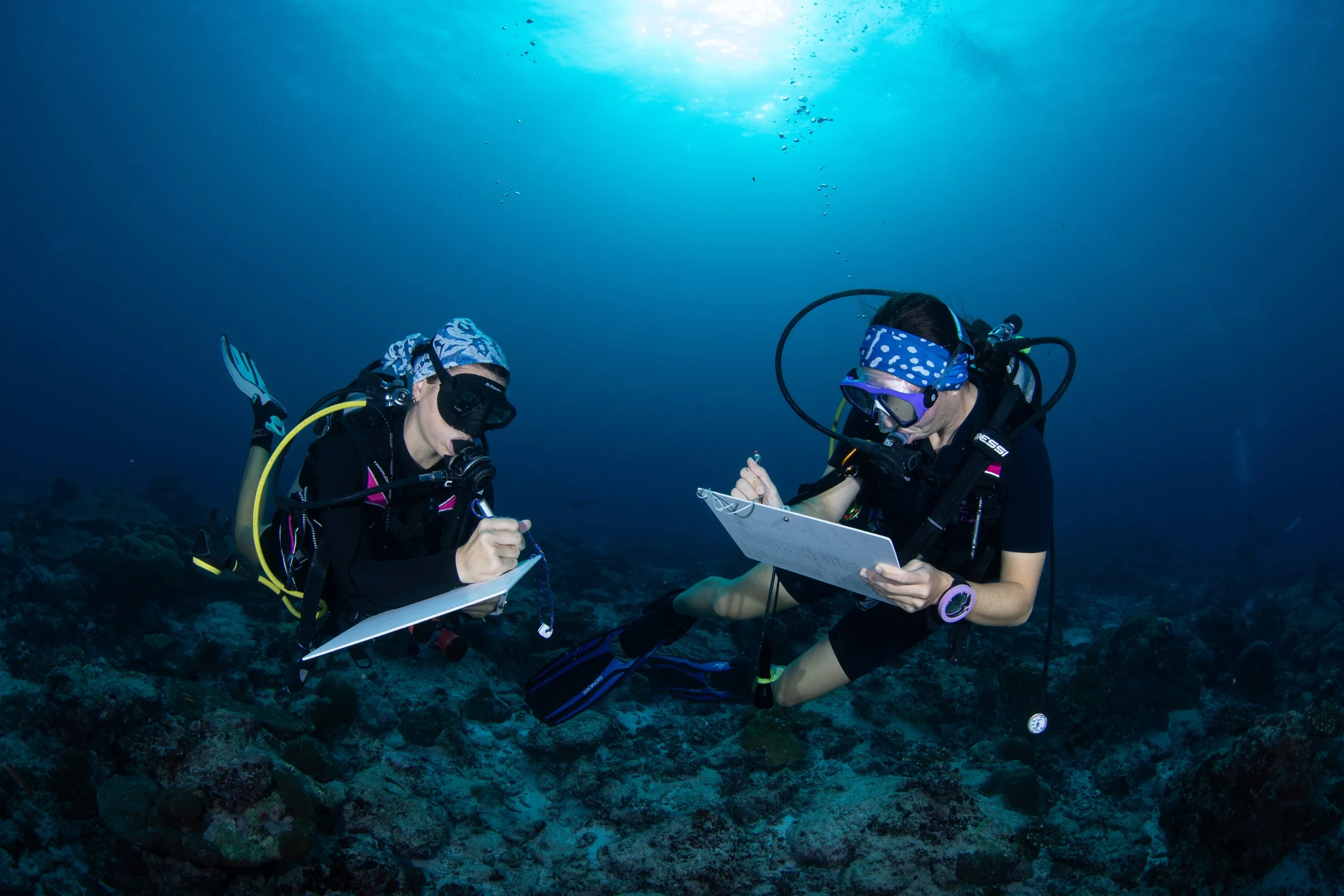
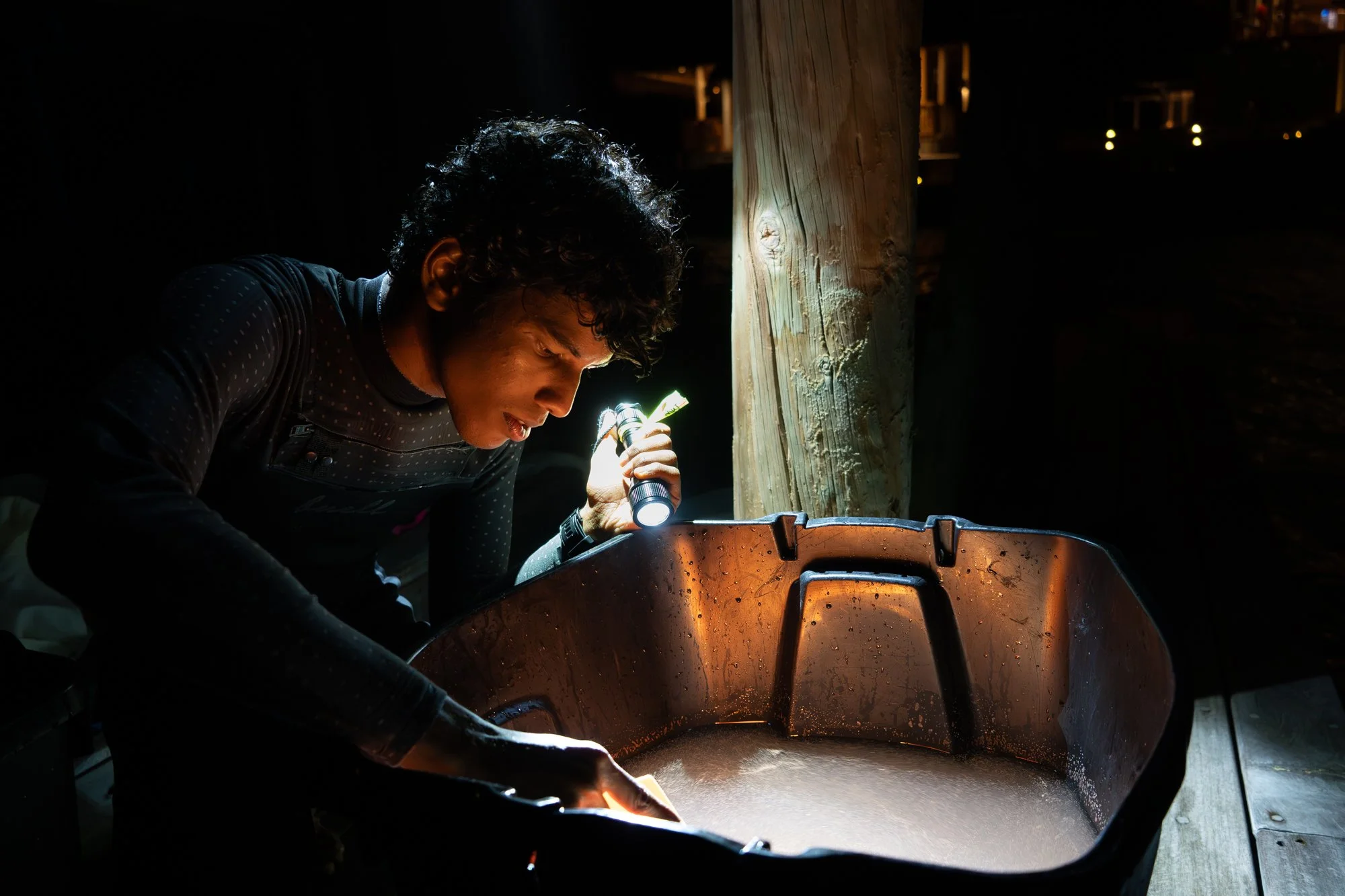
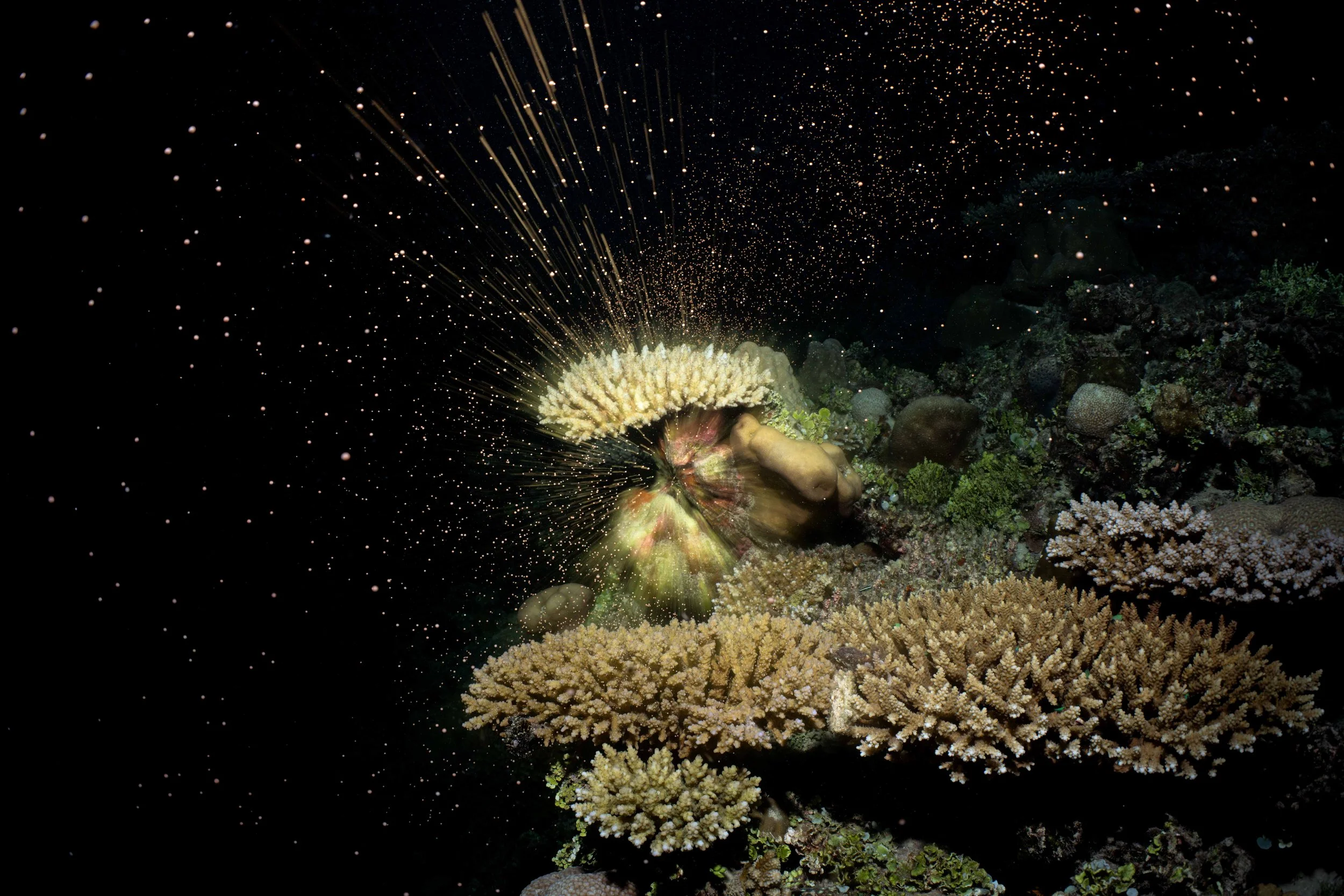
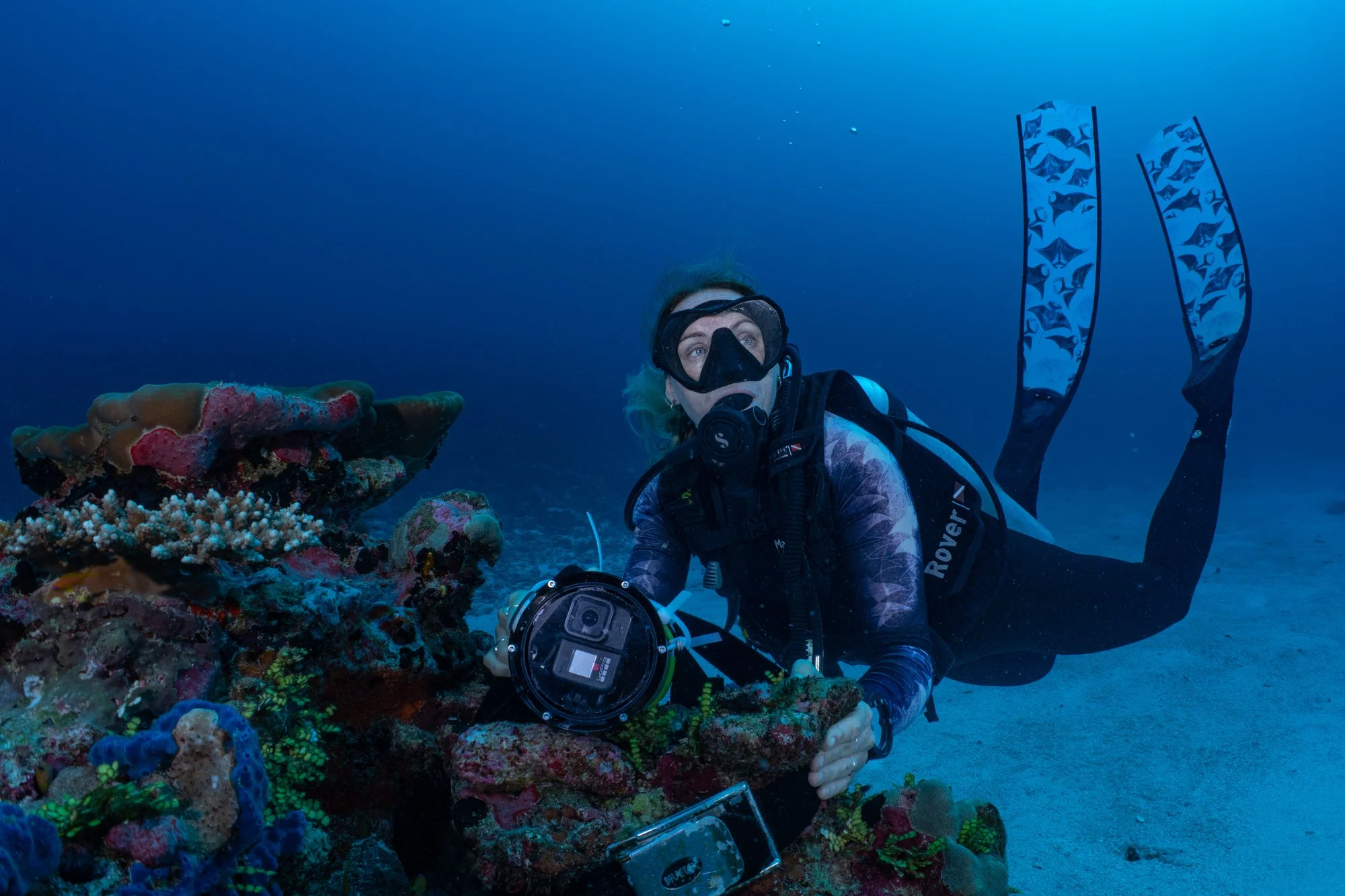
Photos by Jemma Paradise
What tools or tech do you use regularly?
Again, it always depends on what I’m photographing. Regardless of the dive, I always need my camera and its waterproof housing - the latter absolutely essential for taking my equipment underwater safely! In addition, I often add on either video lights or strobes to light up the colors of the reef (as light disappears quickly the deeper you go!). There’s also a range of key accessories, depending on the photoshoot: a flash trigger, float arms, a snoot, an extra wet lens…the list can go on and on!
Project Spotlight
What project are you most involved in right now?
Over the past few months, I’ve been working to gather photos for our annual report, providing the visuals to support each of our ongoing science projects. I’m now working towards publishing some of my work as multimedia magazine articles, combining my photos with written science stories.
What’s one recent moment that made you proud?
I recently made a short film with Steve Backshall and his 7-year-old son Logan, focusing on their experience learning how to fragment corals and outplant them back onto the reef. I’ve previously focused much more on photography, so figuring out the twists and turns of producing a short film and editing everything was both incredibly educational and satisfying! To be able to create something meaningful for their family - following Logan’s first experiences in coral conservation - was even more special to be part of!
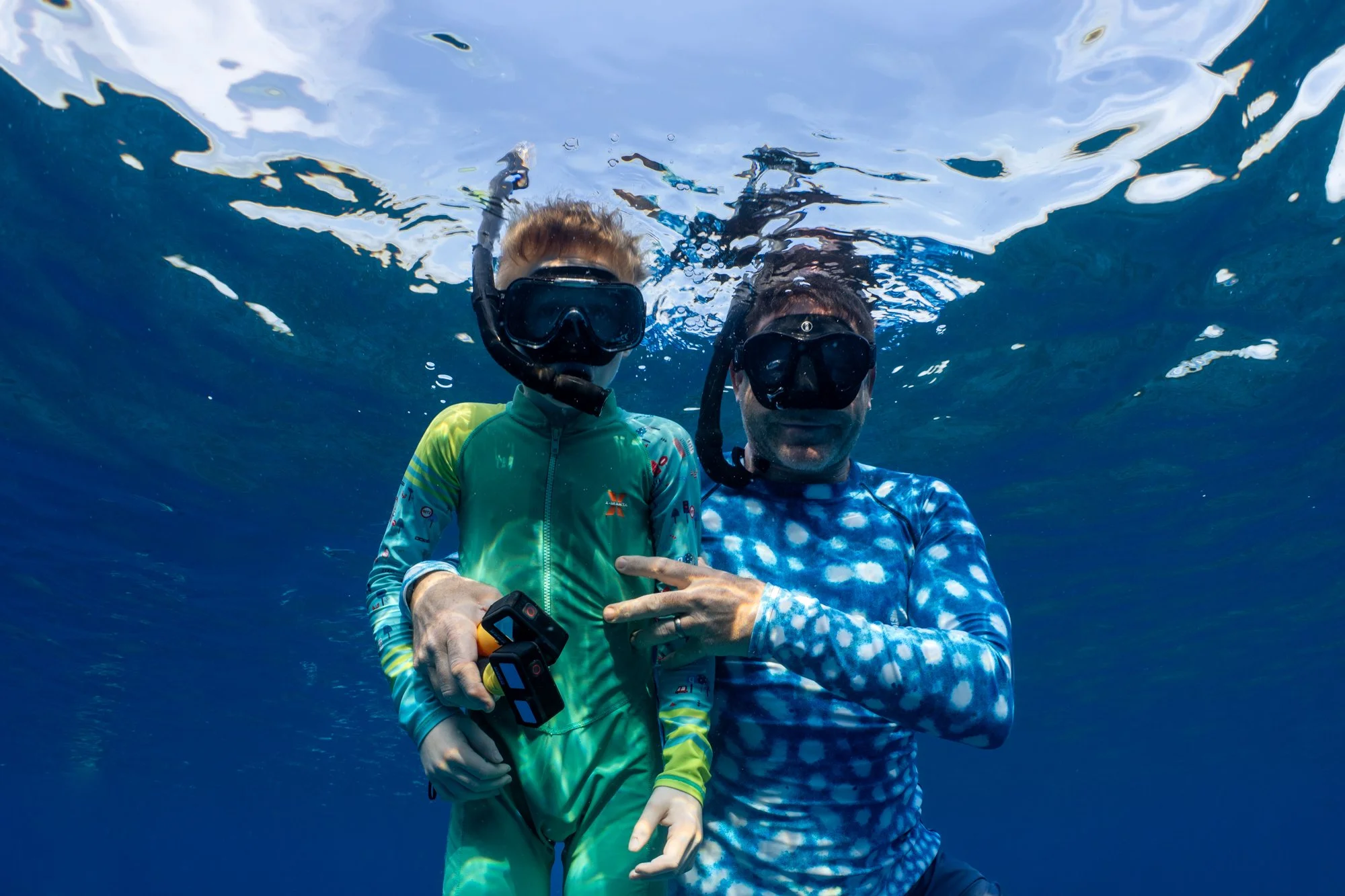
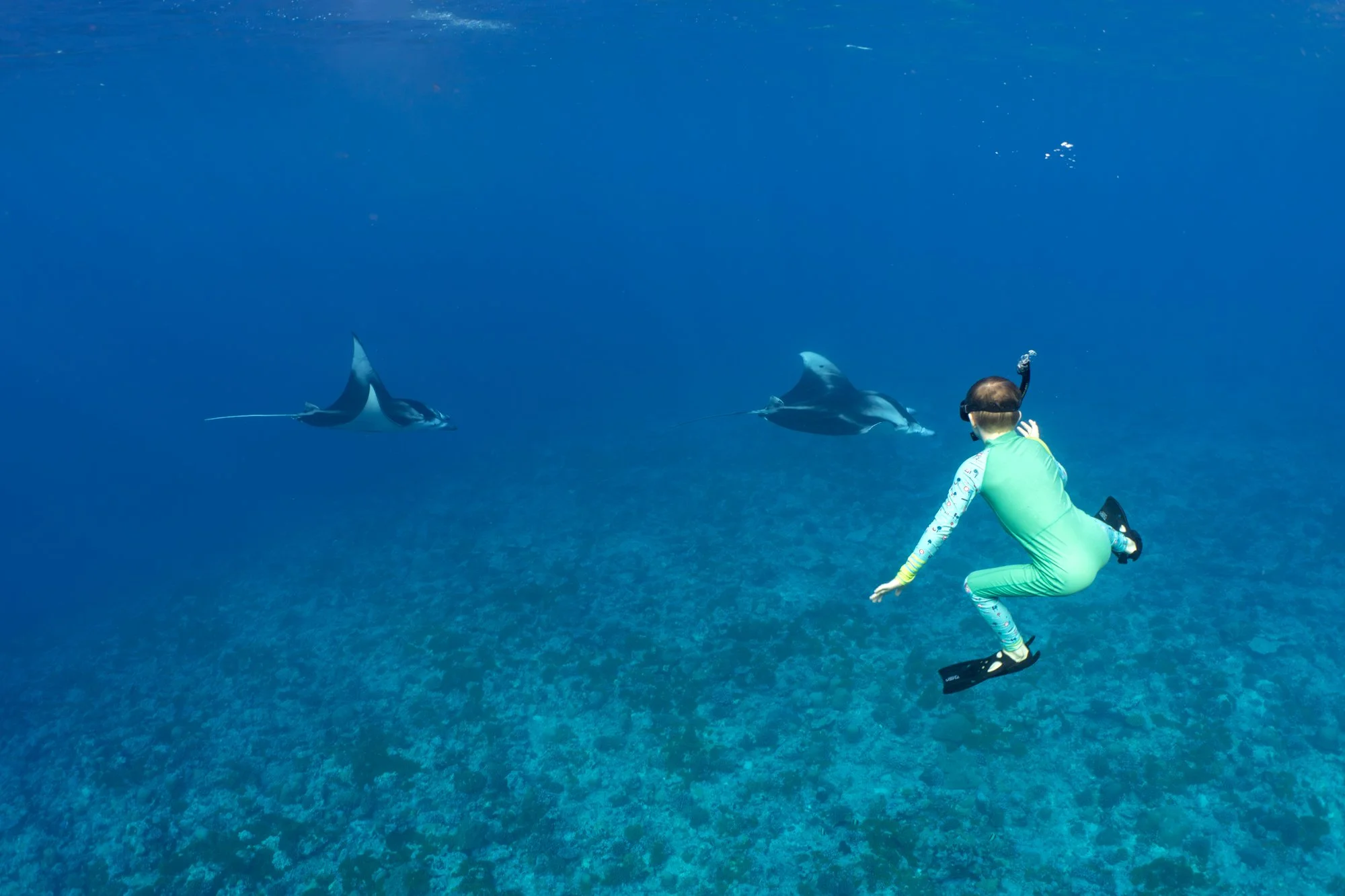
What challenges do you face in your work, and how do you overcome them?
Whenever I’m photographing wildlife, I always wish I could communicate with animals - it would make my job a whole lot easier! One of the biggest challenges of wildlife storytelling is balancing creative vision with the practicalities of capturing compelling animal behavior, which is often easier said than done. As much as I would like to believe I’m an actual fish, I’m not - meaning I have a limited time underwater, and my presence is often announced by loud scuba bubbles, which can interrupt perfect animal moments and behavior. Once I’ve got a shot in mind, my main challenge is bringing it to life, within the limits of being a visitor to the underwater world. The solution, however, is normally simple: patience. With enough repetition, waiting, and a bit of luck, wildlife will often show you something magical, sometimes different or even better than the vision I’d had in mind.
The other challenge of underwater photography is communicating science in a way that connects with people, within a single frame. Often our projects will span countless dives and hours of data - my aim is to distil the story of each into a handful of impactful frames. This is my favorite challenge of underwater photography, as it allows for lots of creative freedom in storytelling and connecting with people. To capture the most meaningful images, I spend a lot of time pre-planning and thinking about how to combine techniques and subjects, which makes it doubly satisfying when all the stars align for a good photo!
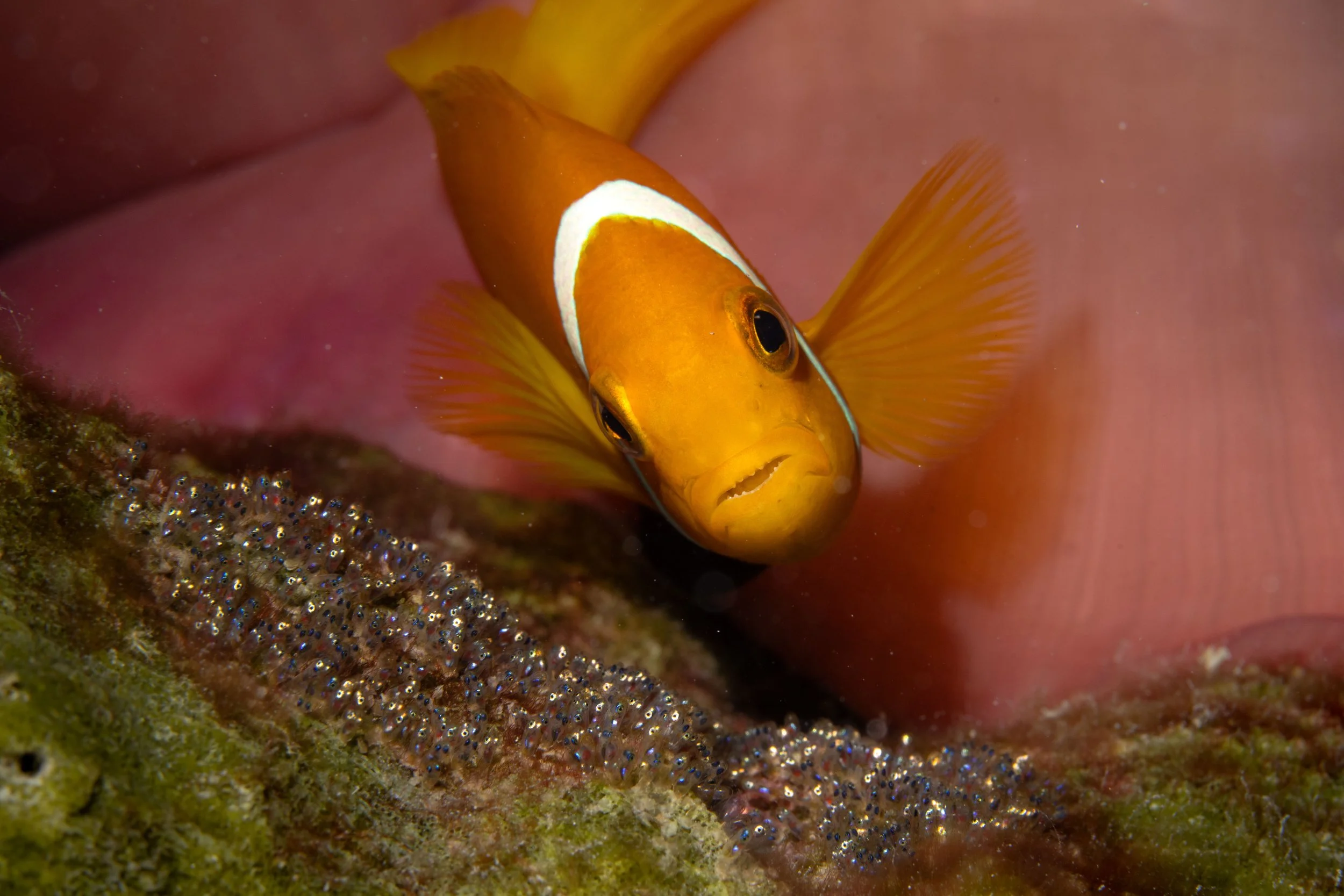
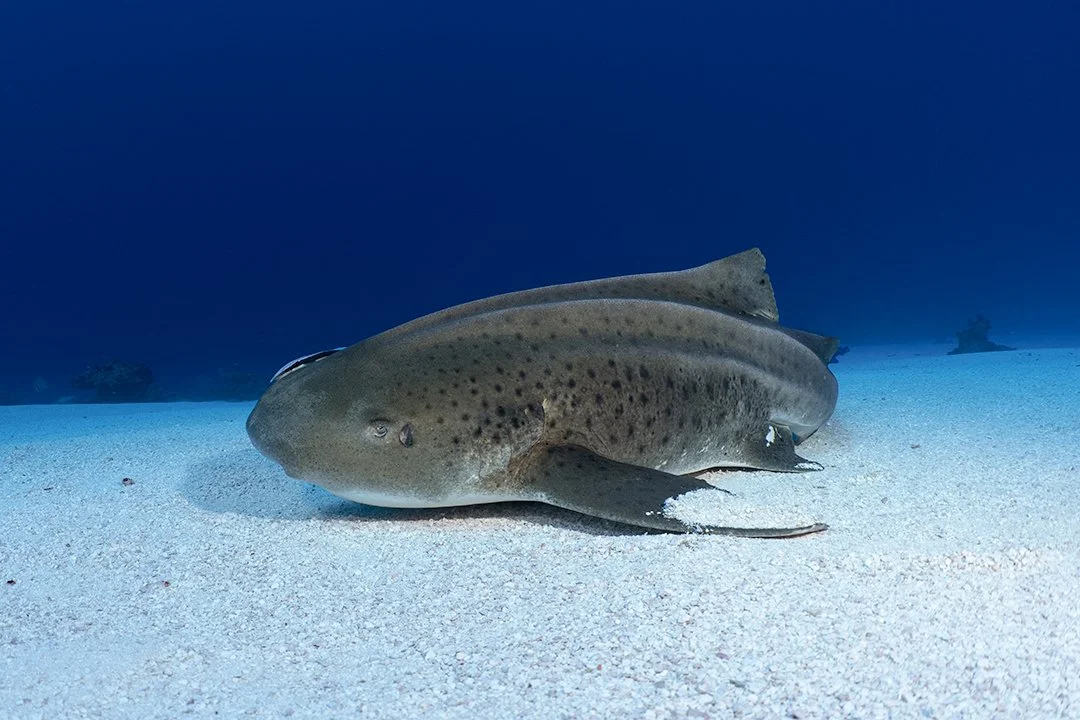
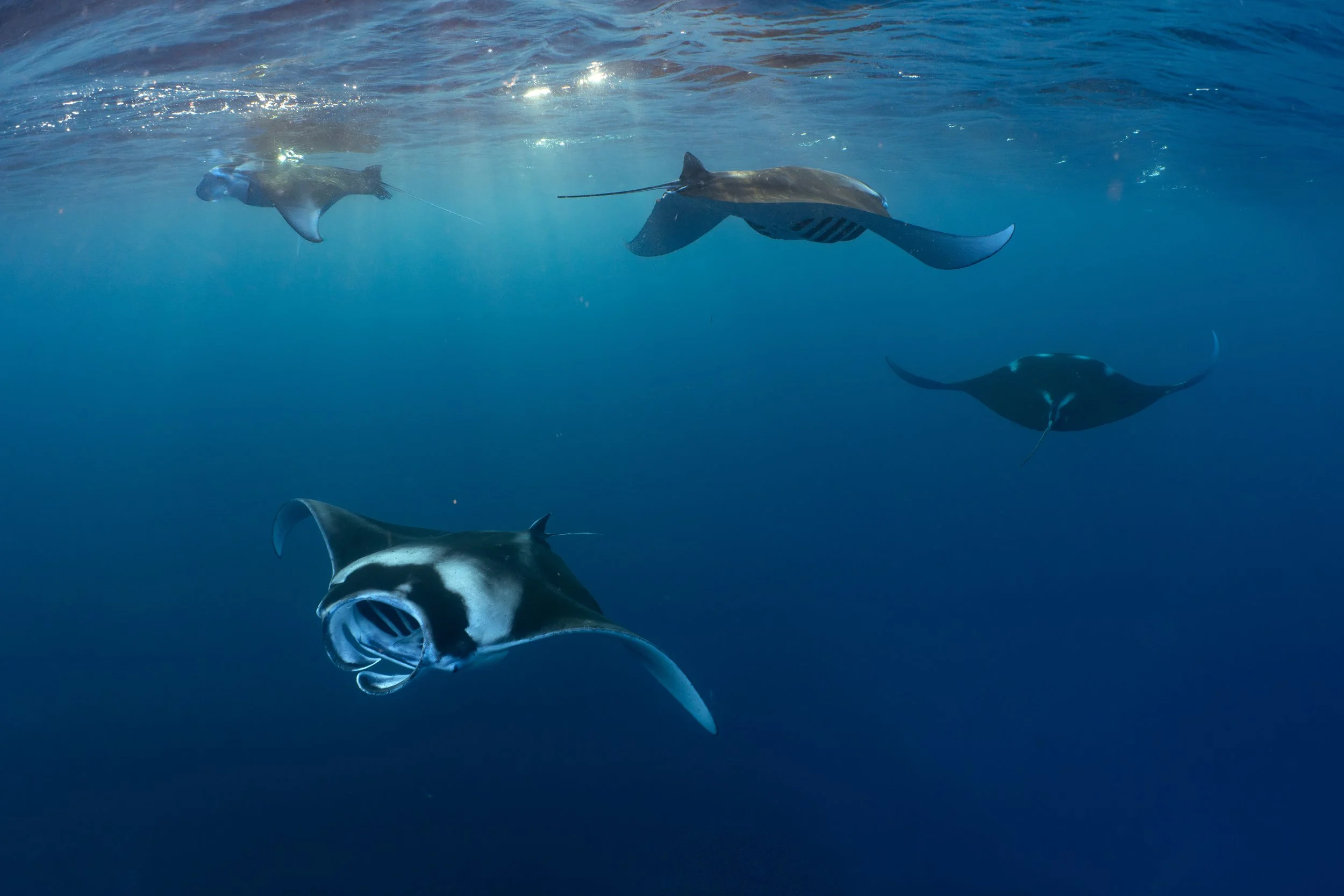
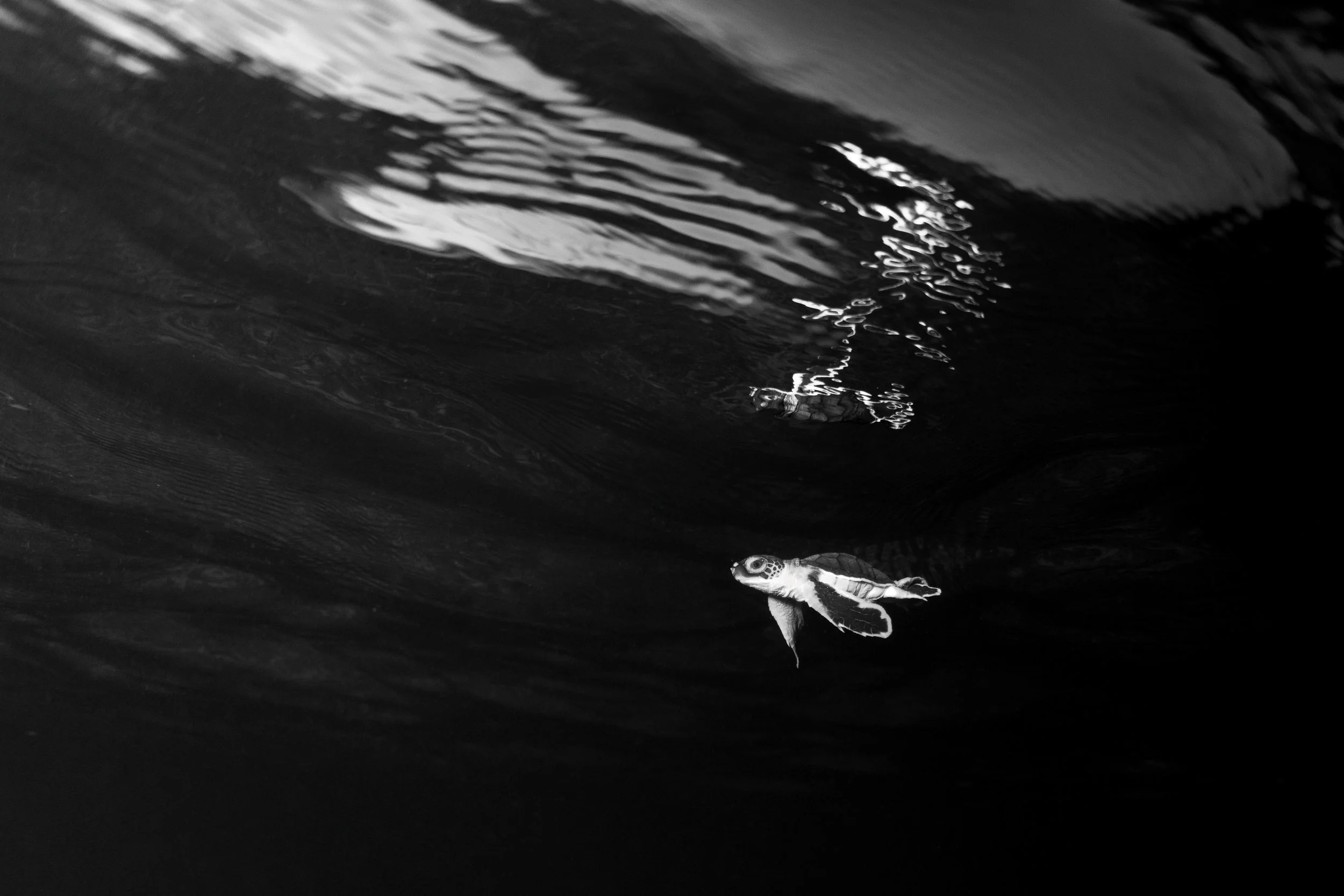
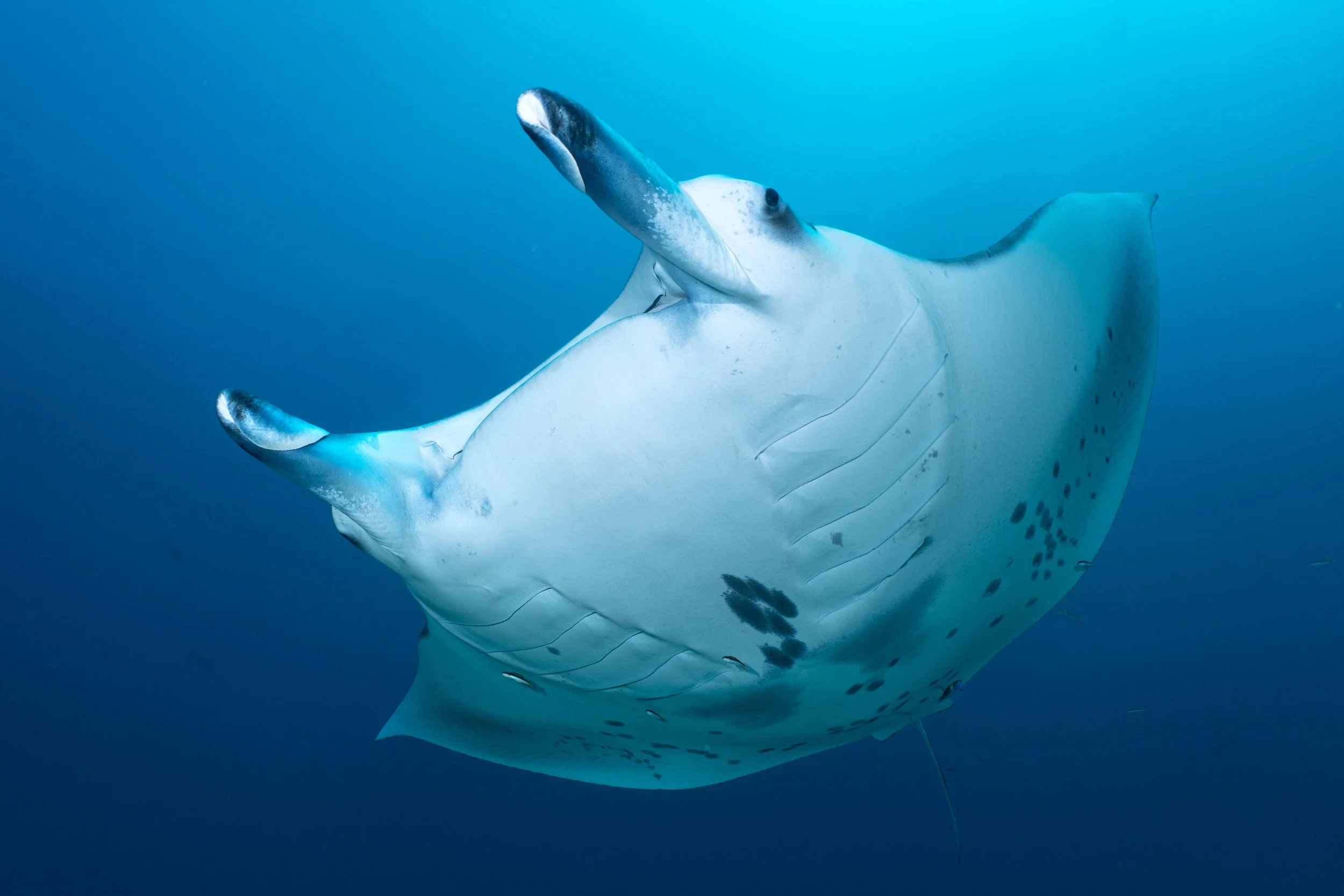
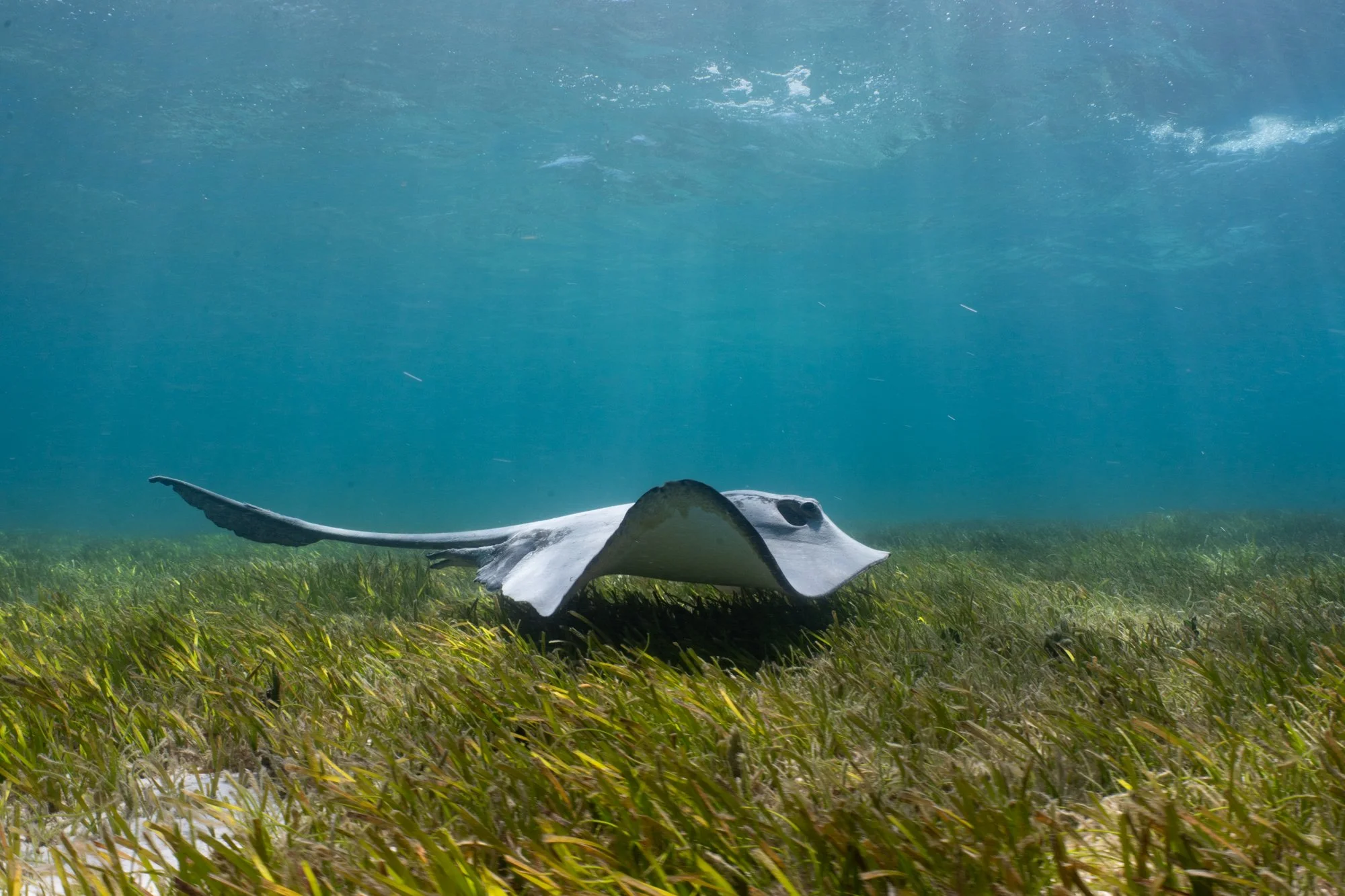
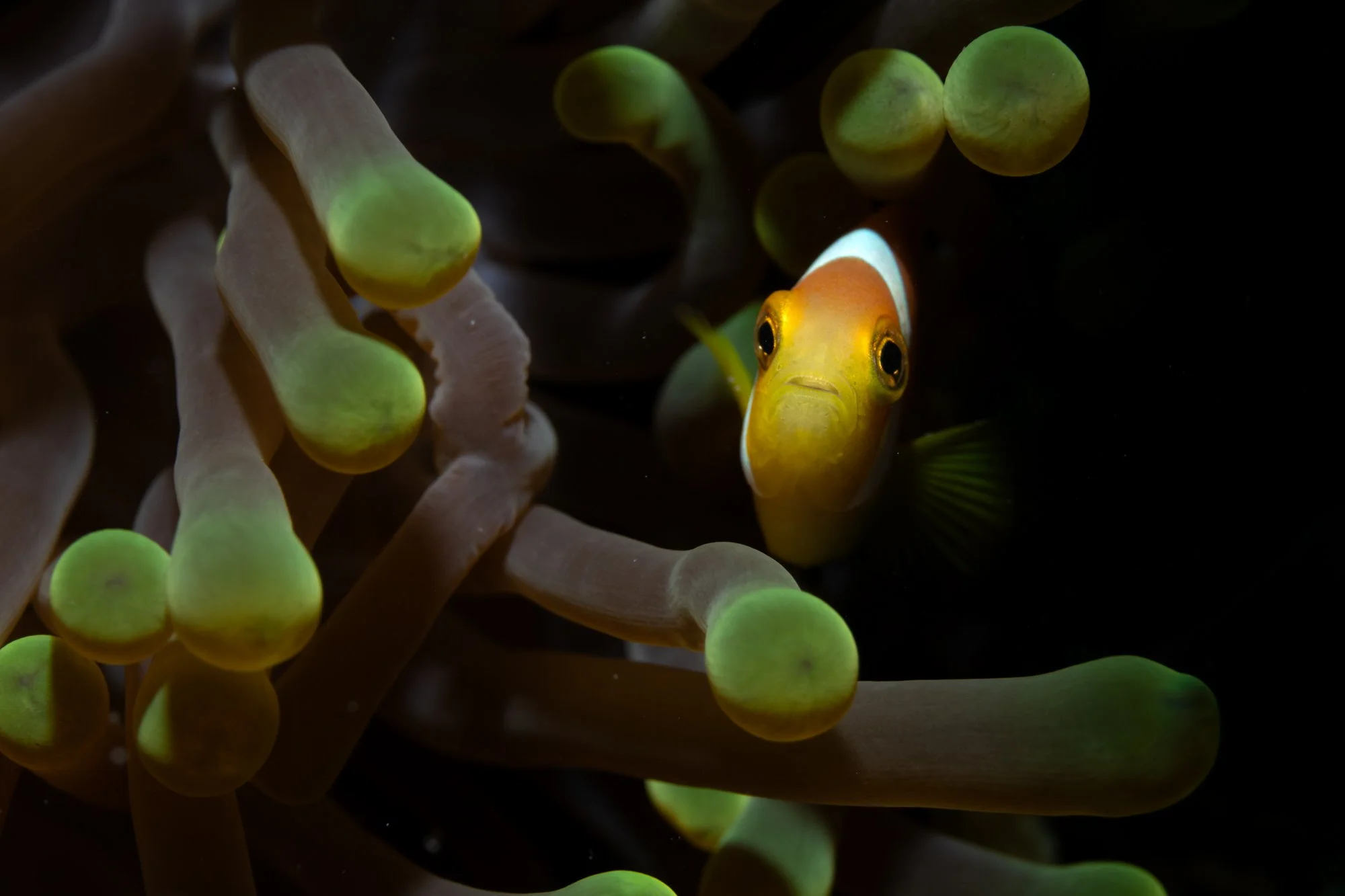
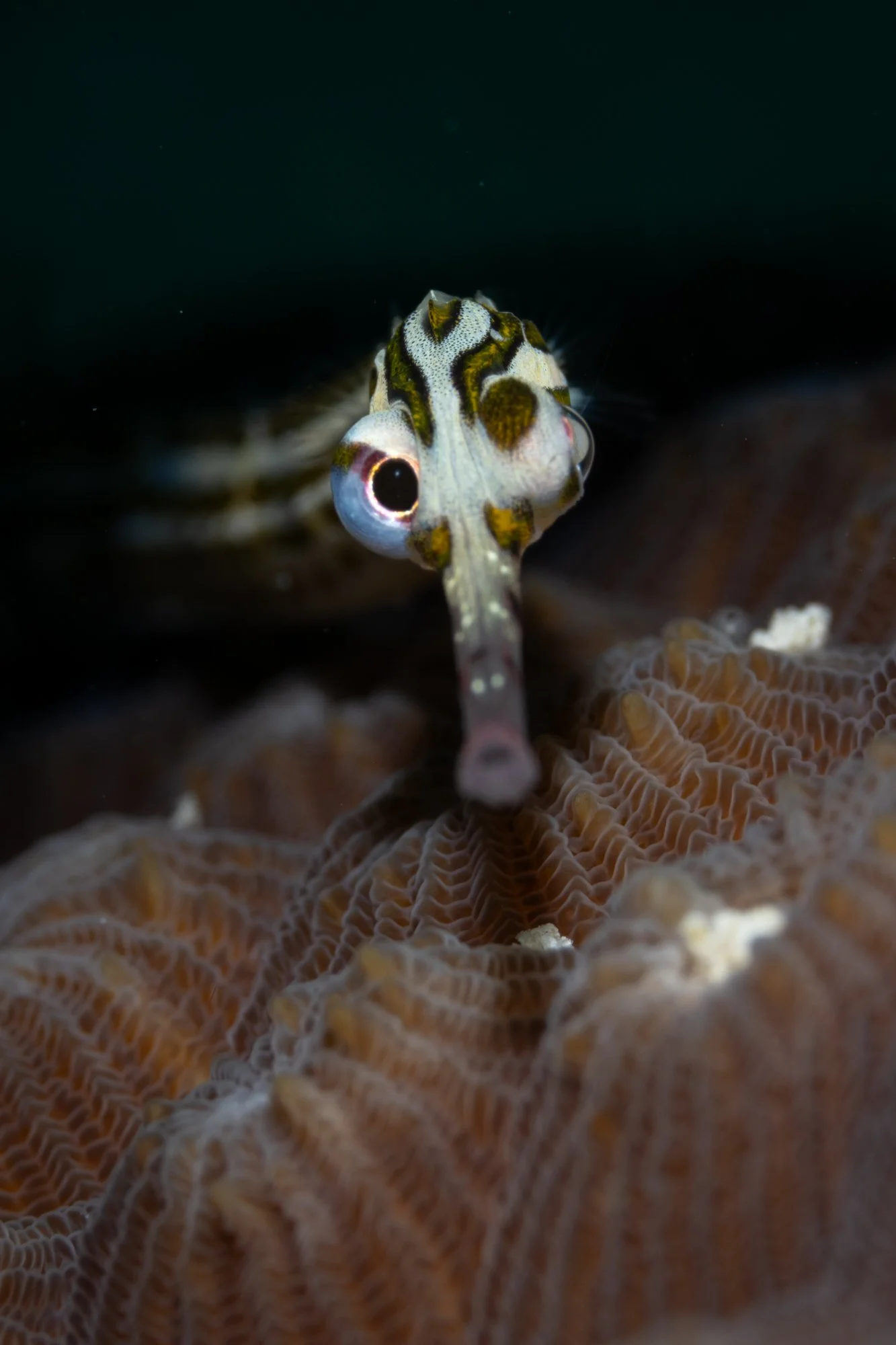
Some of our favourite photos that Jemma took in Laamu this year!
Impact & Purpose
Why does your work matter—to you, to the reef, to the community?
I’ve been incredibly fortunate to be able to live and work at Six Senses Laamu, to see the atoll’s pristine coral reefs and encounter species I’d always dreamed of seeing! But just like my beloved kelp forests back home, coral reefs are facing a steep uphill battle in the face of climate change, whether it’s from ocean acidification or rising sea temperatures. I dread one day having to use my photos as a record for corals of the past, to show people what our reefs used to look like before the worst of climate change. This drives me to continue taking photos to support science and environmental action, to create shots that communicate the amazing biodiversity of our marine life to our audiences.
How do you think tourism can better support marine conservation and the local community?
Far too often, the tourism industry is an extractive, one-way street, where visitors don’t have the opportunity to learn about local conservation or engage with sustainability activities. That’s where I think the Six Senses Laamu model for supporting our conservation truly shines. Through our resort’s Sustainability Fund, our scientists have the access and means to spearhead ground-breaking research, in a way that supports impactful projects. Equally, guests have daily opportunities to engage directly with our marine biologists, whether it’s joining our snorkels or attending a presentation - empowering our team to showcase our research and educate guests on sustainability, spread to a global scale. I particularly value our Junior Marine Biology program, as this is an incredible opportunity for young guests to get hands-on experience in the field, potentially kickstarting their interests in pursuing conservation careers! If the entire tourism industry could follow a similar model - empowering science and engaging guests - the tourism world would definitely be a more sustainable place!
What is one moment with the community where you learned something?
One of the most meaningful experiences of my time at MUI was the Kunahandoo community snorkel, where our team guided a group of local children around one of our favorite reefs. Many of them were young girls who had very little snorkeling experience, reflecting the gender gap in ocean access seen across local island communities here in the Maldives. As such, it was incredibly meaningful to help teach them about how to snorkel and guide one of their first excursions! I also brought my camera along and photographed the girls as they explored the reef. After our adventure, I showed them their underwater pictures - shots of them swimming and diving down to the corals - and they were thrilled! Their reaction made me reflect on the power of photography, not only for storytelling, but also as a visual way for these girls to see themselves as confident snorkelers and better connect with the ocean around them.
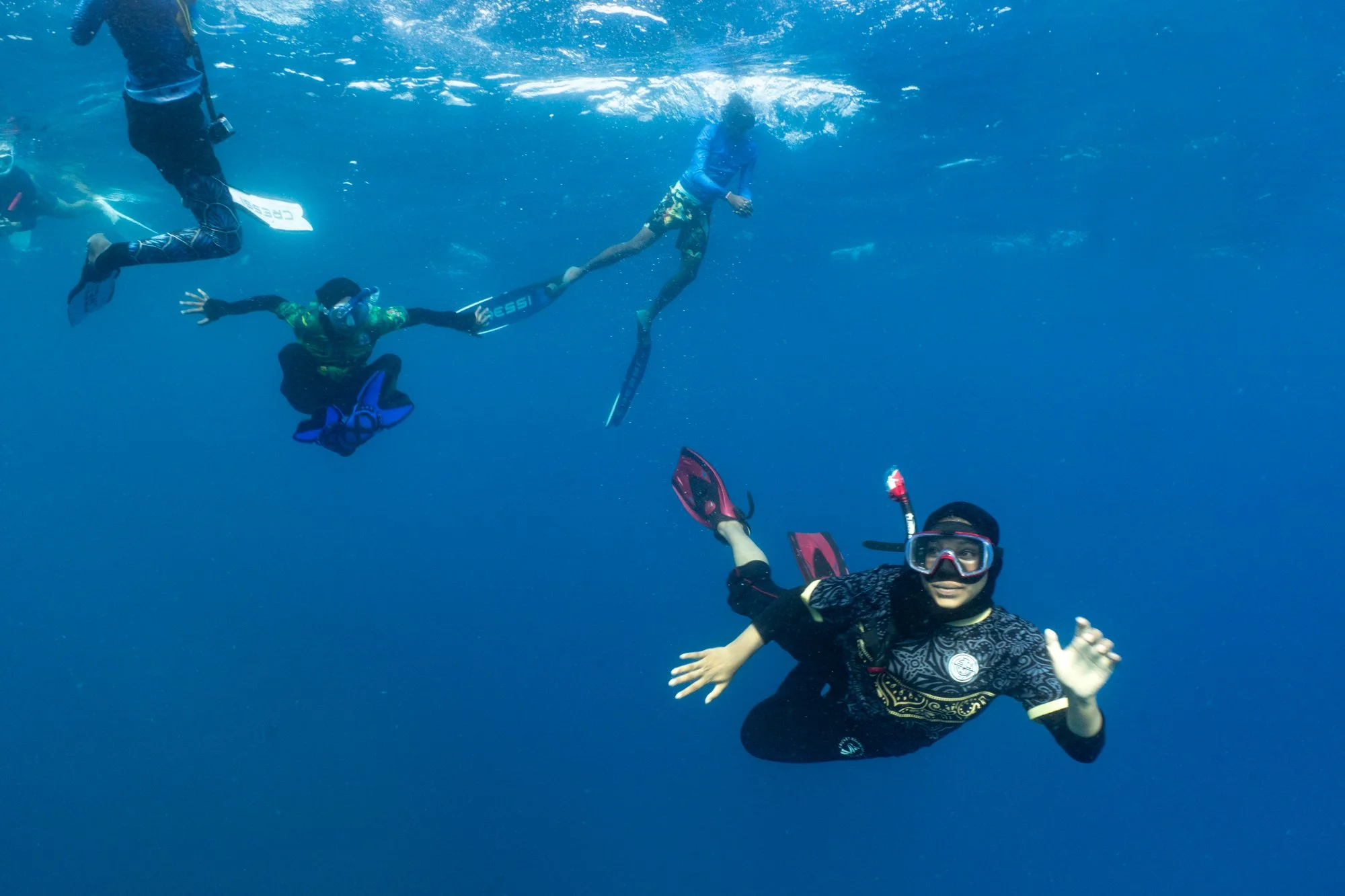
Photo by Jemma Paradise
Advice & Reflections
How do you stay hopeful in the face of the climate crisis?
The people I’m surrounded with! At face value, it can seem challenging to remain positive in the conservation field, amidst so many disheartening environmental challenges. But every day, I’m surrounded by the passion and creativity of my colleagues, always inspiring me to continue supporting conservation in every way I can. If the next generation is led by people like the MUI team, our future planet is in good hands!
Day-in-the-Life Snapshot
6:45am - Wake up, have my morning tea, and have breakfast with friends at Spice House
7:45am - Head to the dive center and prepare my camera for the day
8:15am - Hop aboard the MUI research boat and set up my dive gear
8:45am - Jump in for our first dive, photographing MUI’s biologists in action
10:15am - Fly the drone just after our dive, for aerial photos of the reefs
11:00am - Head back to the resort just in time to lead our guest snorkel
12:45pm - Have lunch with the team at Spice House
1:30pm - Edit photos from the day and have office time at the SHELL
3:30pm - Snorkel in our seagrass meadows for photos and turtle ID shots
5:45pm - Daily team meeting
7:30pm - Dinner with the team
A final question: What’s your favorite quote?
"It seems to me that the natural world is the greatest source of excitement; the greatest source of visual beauty; the greatest source of intellectual interest. It is the greatest source of so much in life that makes life worth living." - David Attenborough