
A DAY IN THE LIFE OF A MARINE BIOLOGIST - ABBY - PROJECT ASSISTANT FOR MALDIVES RESILIENT REEFS
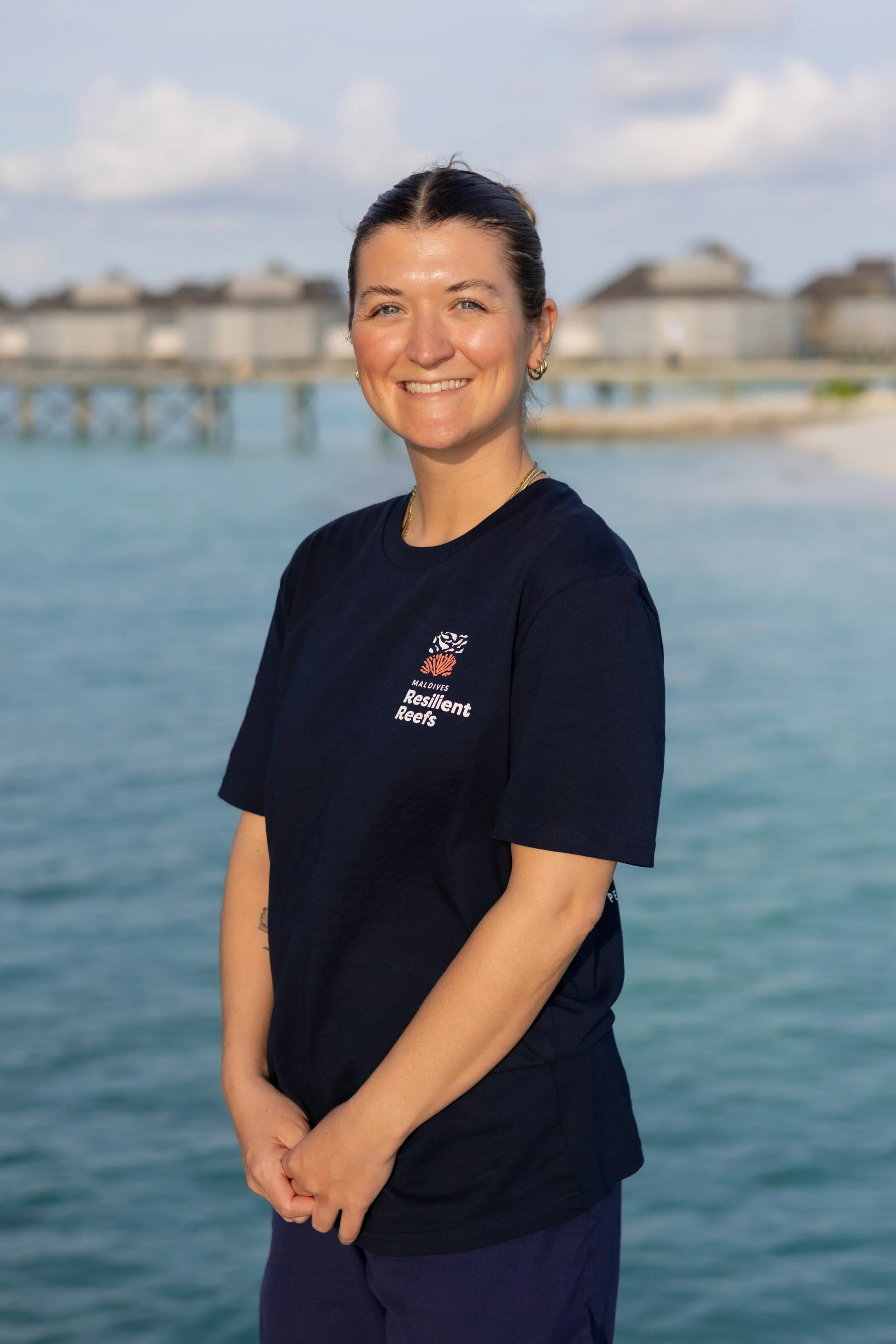
This month in our new series of: “A day in the life of a Marine Biologist”, we will be talking to and learning from Abby, Project Assistant for Maldives Resilient Reefs (MRR) at Six Senses Laamu.
Abby is currently working as the Project Assistant for Maldives Resilient Reefs (MRR) as part of the Maldives Underwater Initiative (MUI) team. As well as her degrees in Zoology and Wildlife Conservation, she is also a certified dive instructor. Her work focuses on sustainable fisheries, grouper spawning and MUI’s first ever shark research project.
Quickfire Bio:
Role: Project Assistant
Years in Marine Sector: 6
Home country: United Kingdom
Special interests (e.g. sea turtles, coral spawning): Extreme Animal Physiology
Favourite Maldivian word and meaning: Meyvaa - Fruit (and my niece’s name)
What inspired you to become a marine biologist?
I was lucky enough to grow up on the north east coast of England and spent my summer holidays at the beach (when the British weather allowed). My Mam would take my brother and I there for the whole day to play in the water, picnic, and go rockpooling. It was so much fun for me, finding all of these small, strange creatures in their own little ecosystems. I also grew up surrounded by a lot of animals, my Auntie is a huge animal lover and definitely passed that on to me, then in school I found a love for biology. When choosing my university degree it just made sense to combine my passion for animals and biology, so I studied Zoology. Then I started diving, and realised that marine biology was my dream.
Can you tell us a bit about your journey—how did you end up working with MUI?
The journey to getting where I am now was not an easy one and it has taken a long time. After university I volunteered, worked in various other ‘sciencey’ roles that were not related to conservation but helped to build my skill set, and pursued a career in diving to fulfill my need to be in the water. I finally landed a role as a resort marine biologist in Baa atoll a few years ago. During my time in this role I gained so much knowledge from my Maldivian colleagues, and they inspired me to push myself even more. Once I began to build connections and learn more about conservation in the Maldives, I knew where to look for the jobs that I really desired. As soon as I saw this role with Maldives Resilient Reefs based with MUI I knew I had to apply, and I was lucky enough to be given the position and finally feel I was on the right path!
What’s something most people don’t realize about marine biology / working with the community?
I feel like a lot of people when they think of marine biology or conservation will only think about the marine environment itself. However, it is not just the marine world that we need to focus on, it is so important to involve the community in the work. Education, building passion and involvement in decision making about their own home is exactly what creates a successful long term conservation initiative. Local people should always have their voices heard, you cannot create regulations for a successful initiative that changes the lives of the community, albeit for the benefit of the marine world, without community consultation and education.
A Typical Day
What does a normal workday look like for you?
As I am running multiple projects as well as being involved in guest activities, no day is ever the same. On a big research day I will start early, giving myself some quiet time to enjoy a coffee and wake up. Around 8am I will head to the dive centre to prepare all of my equipment for a double research boat, ensuring nothing is forgotten before we head out for the full morning.
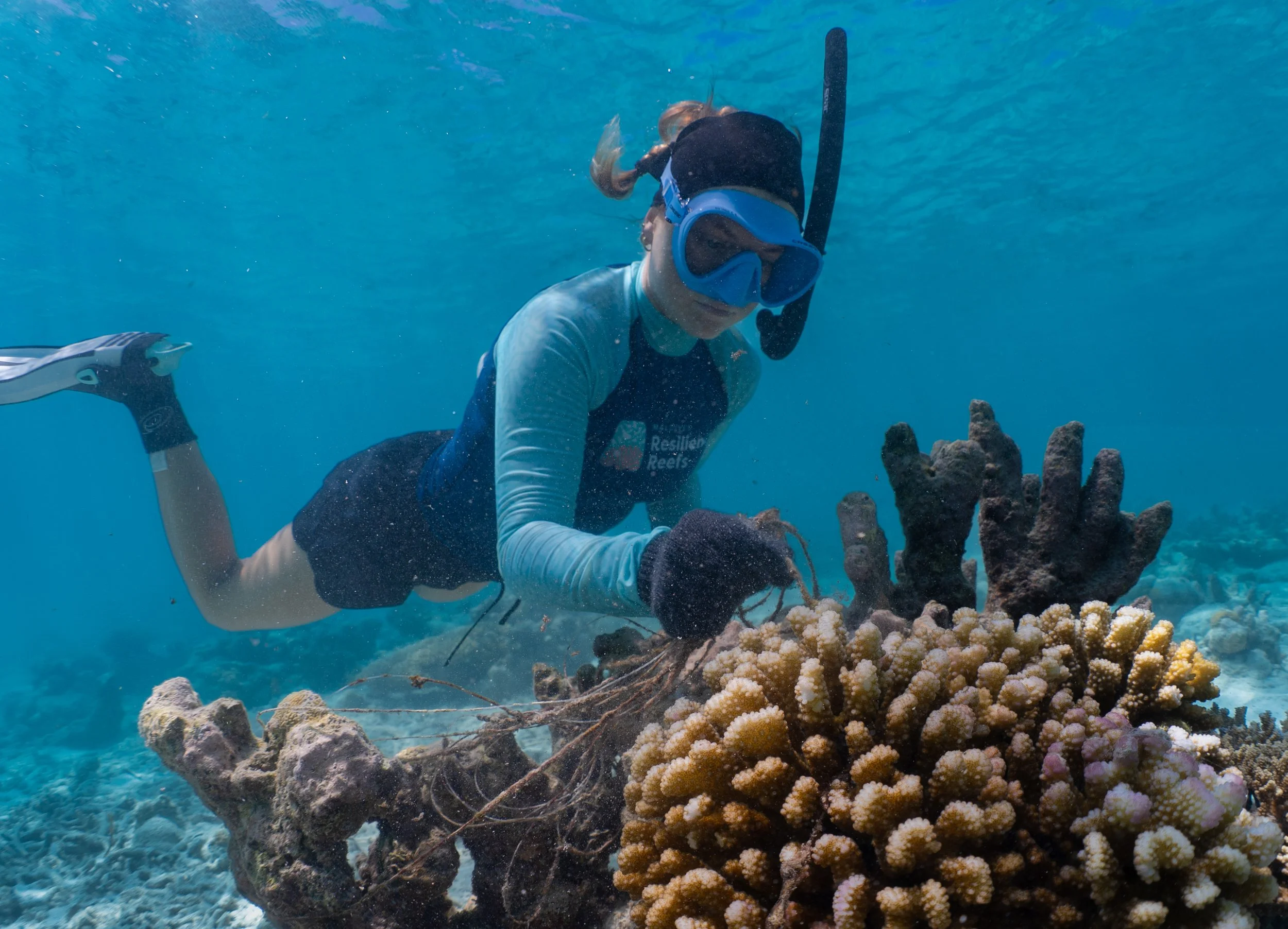
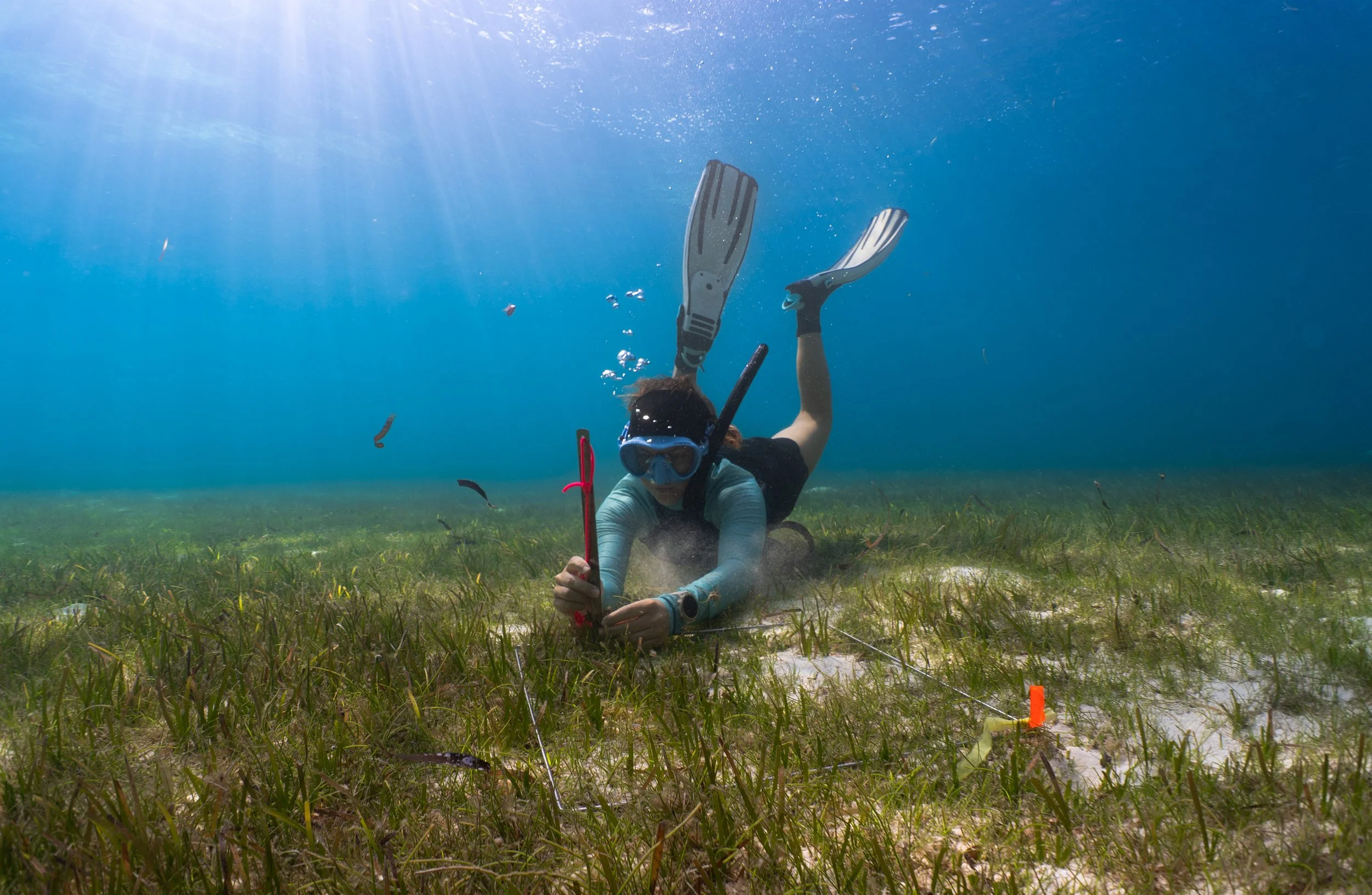
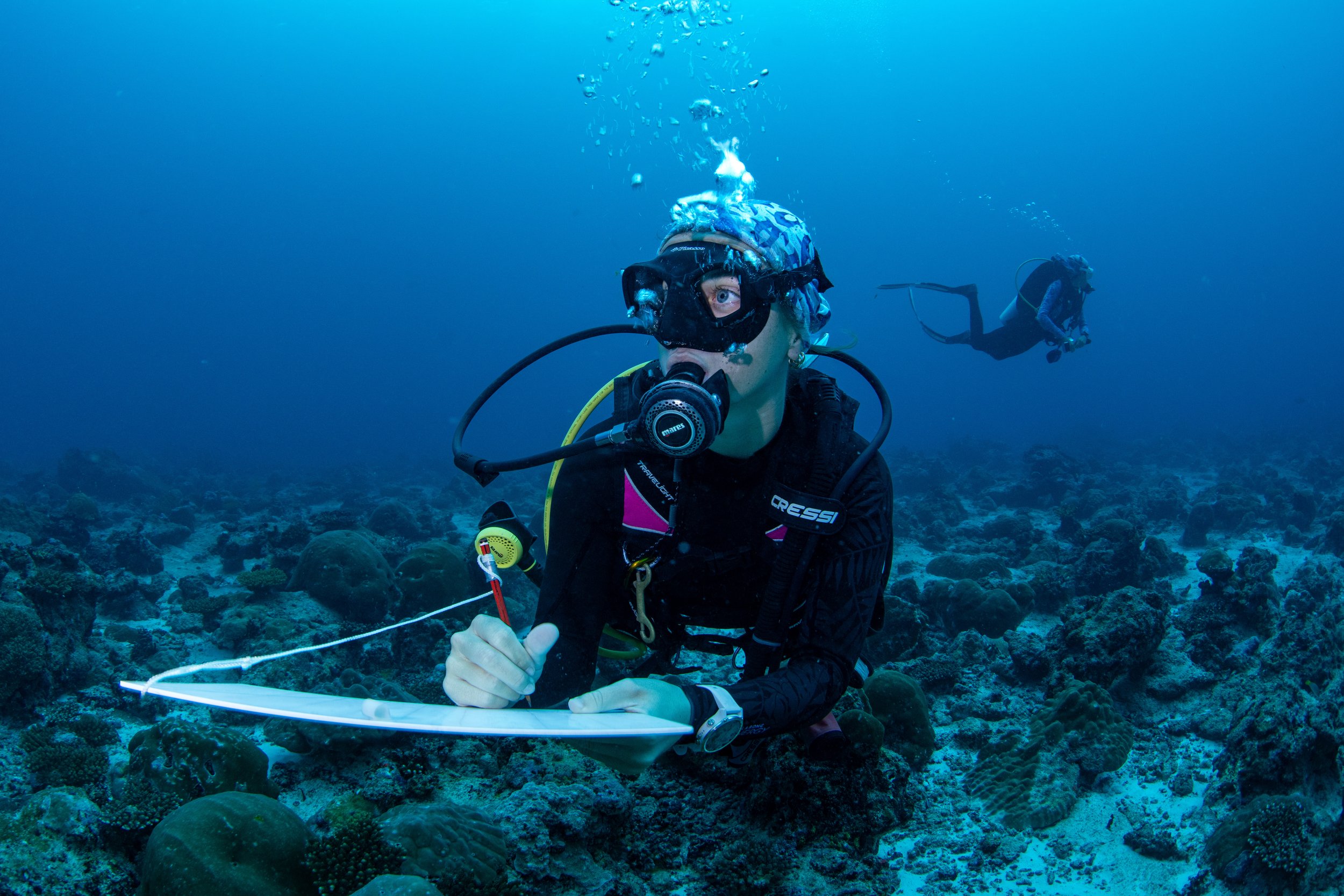
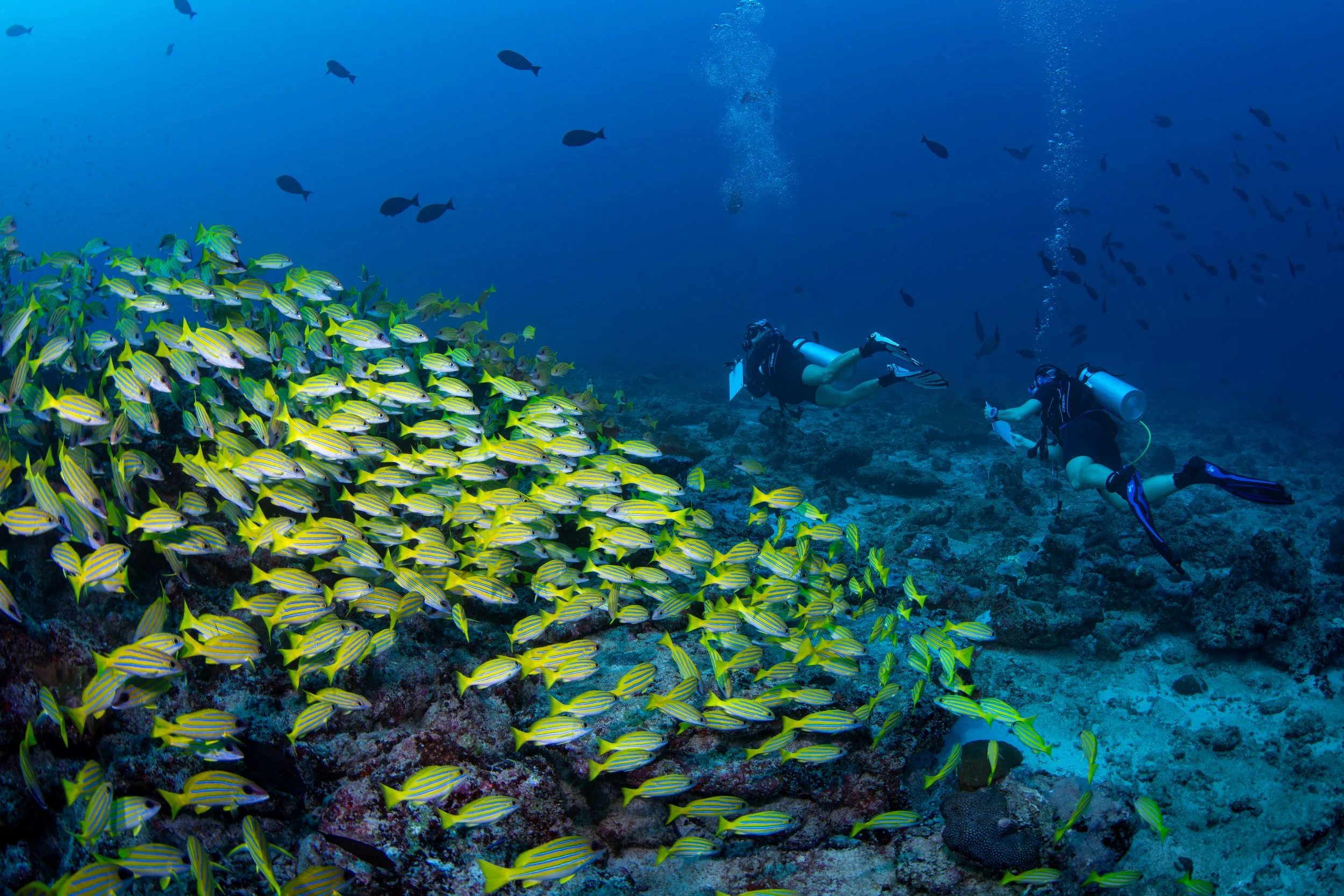
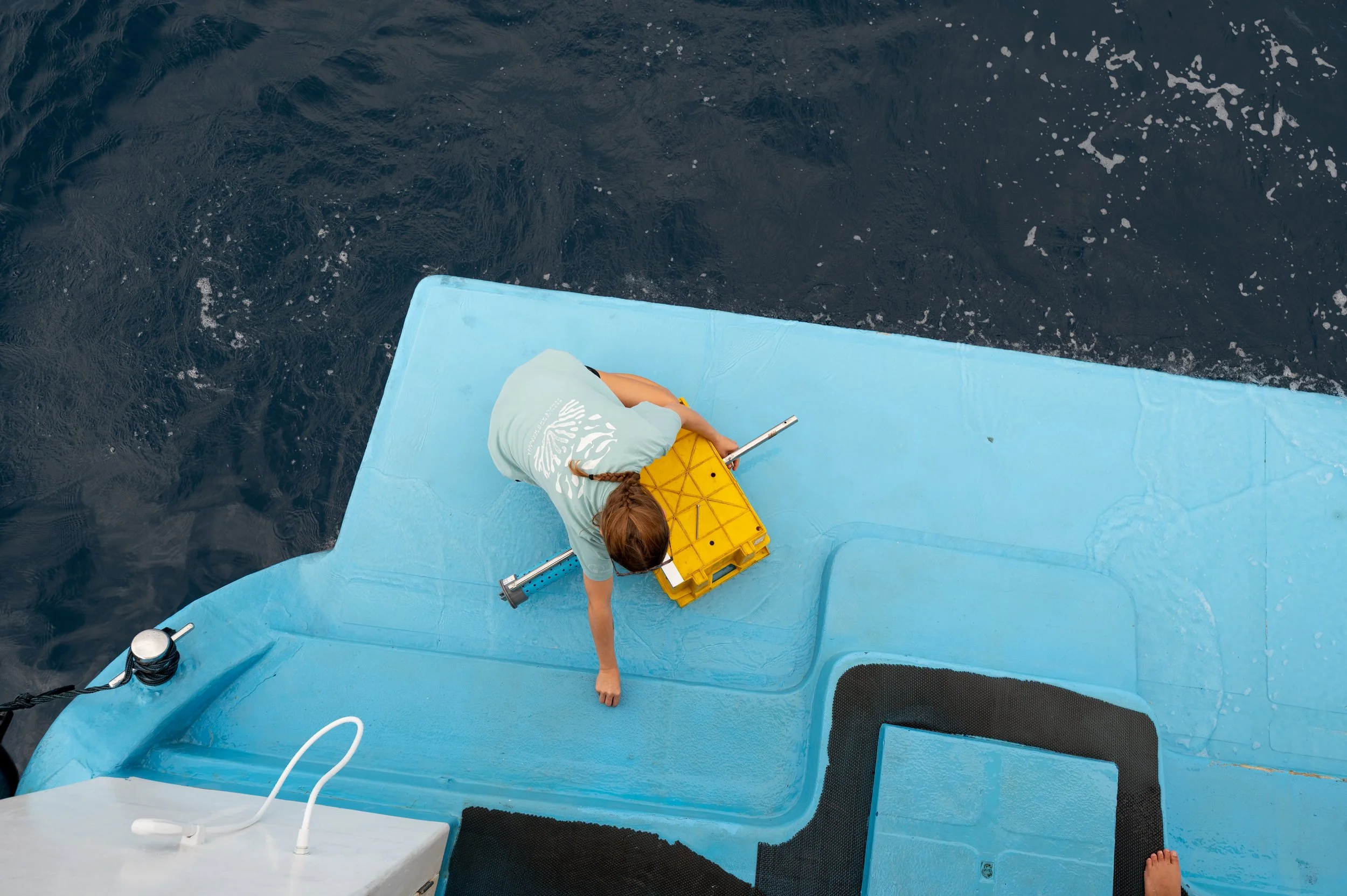
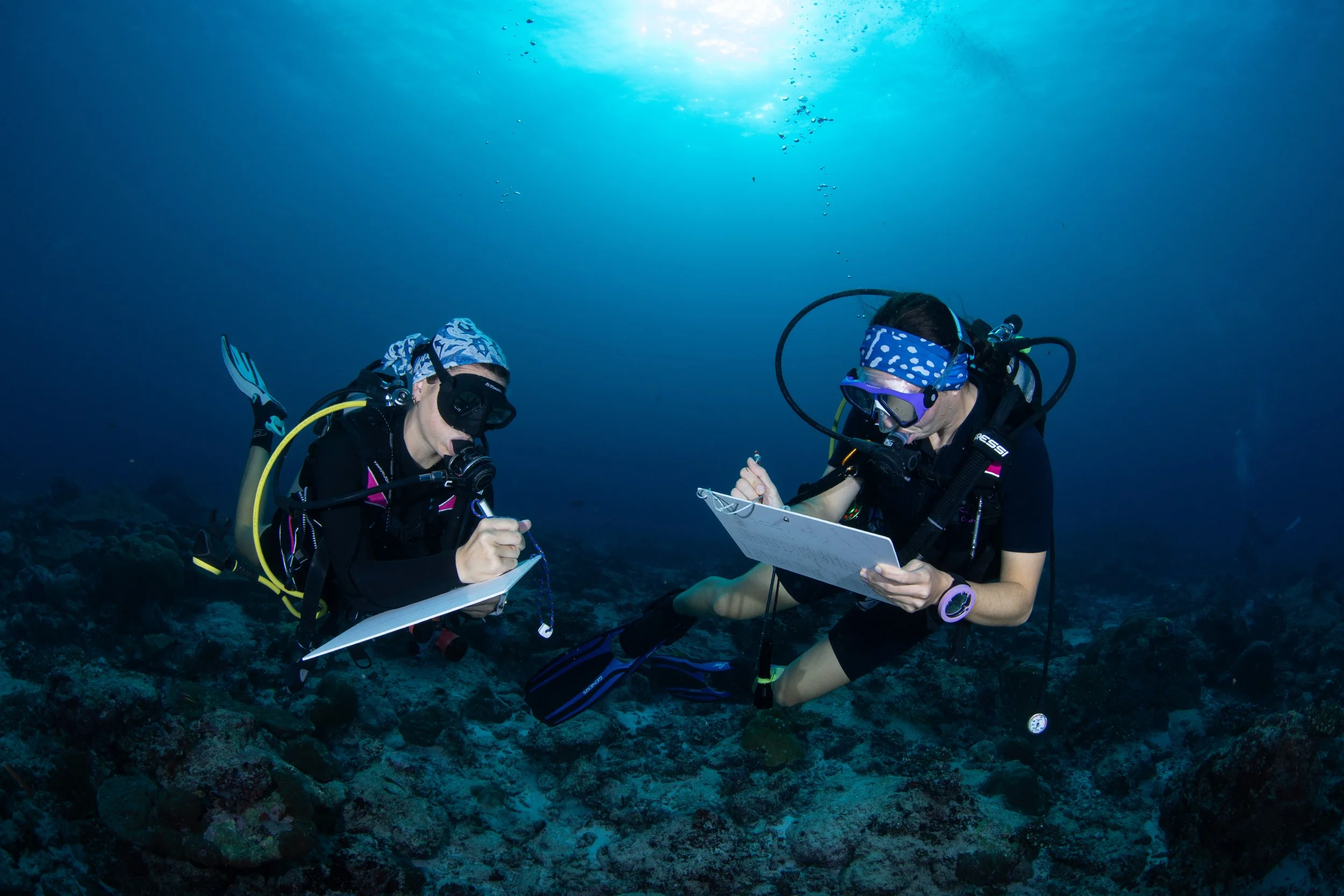
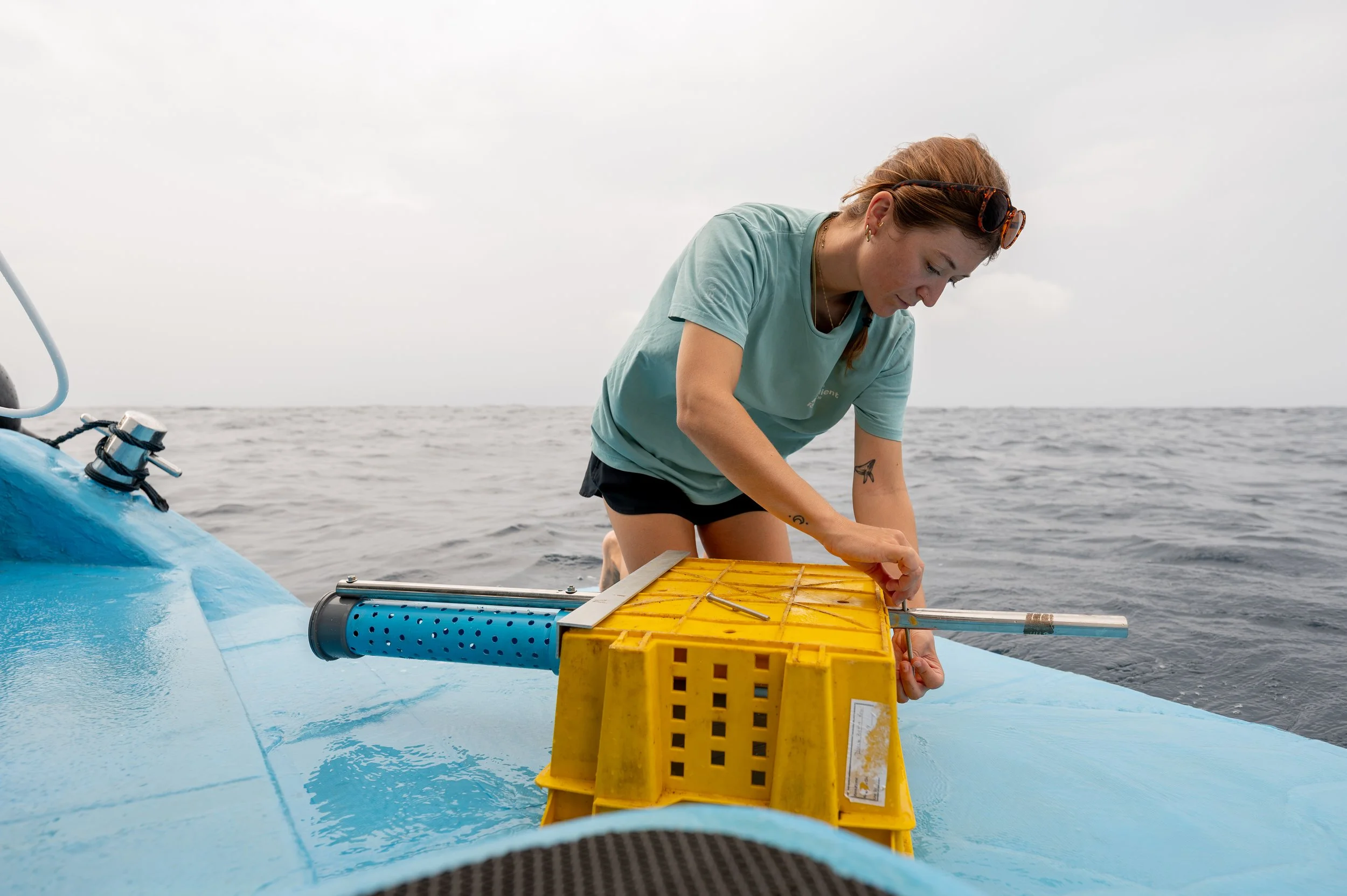
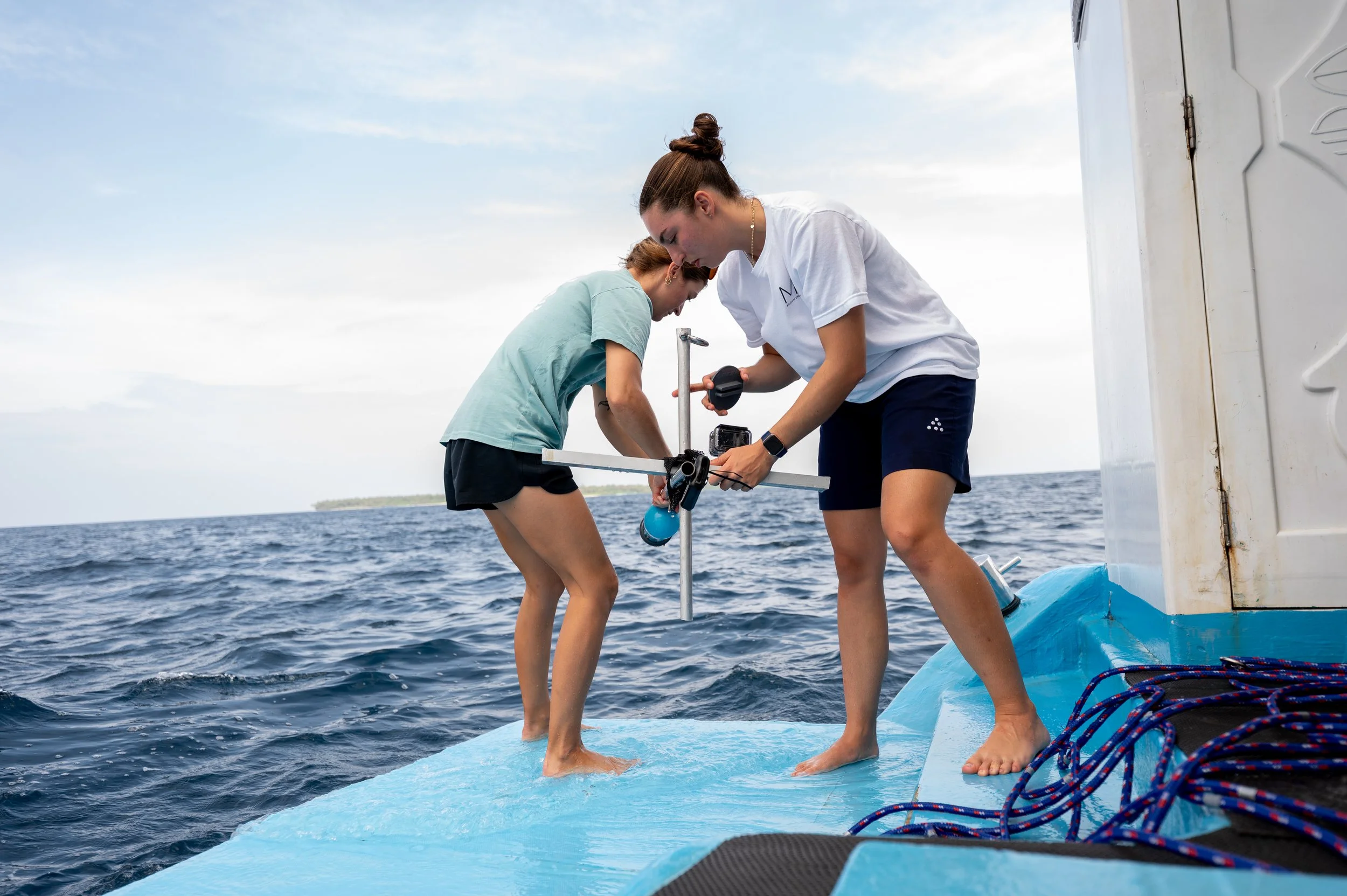
To begin, we will drive out to one of our deployment sites to drop the Baited Remote Underwater Video System (BRUVS) for the shark population research project. It is important that we start with the BRUVS, as sharks are most active earlier in the day. Once the BRUV is back on the boat I will start to prepare for the dive as we head over to our scientifically verified grouper spawning site. While underwater, we complete surveys on grouper numbers and spawning behaviours of four species.
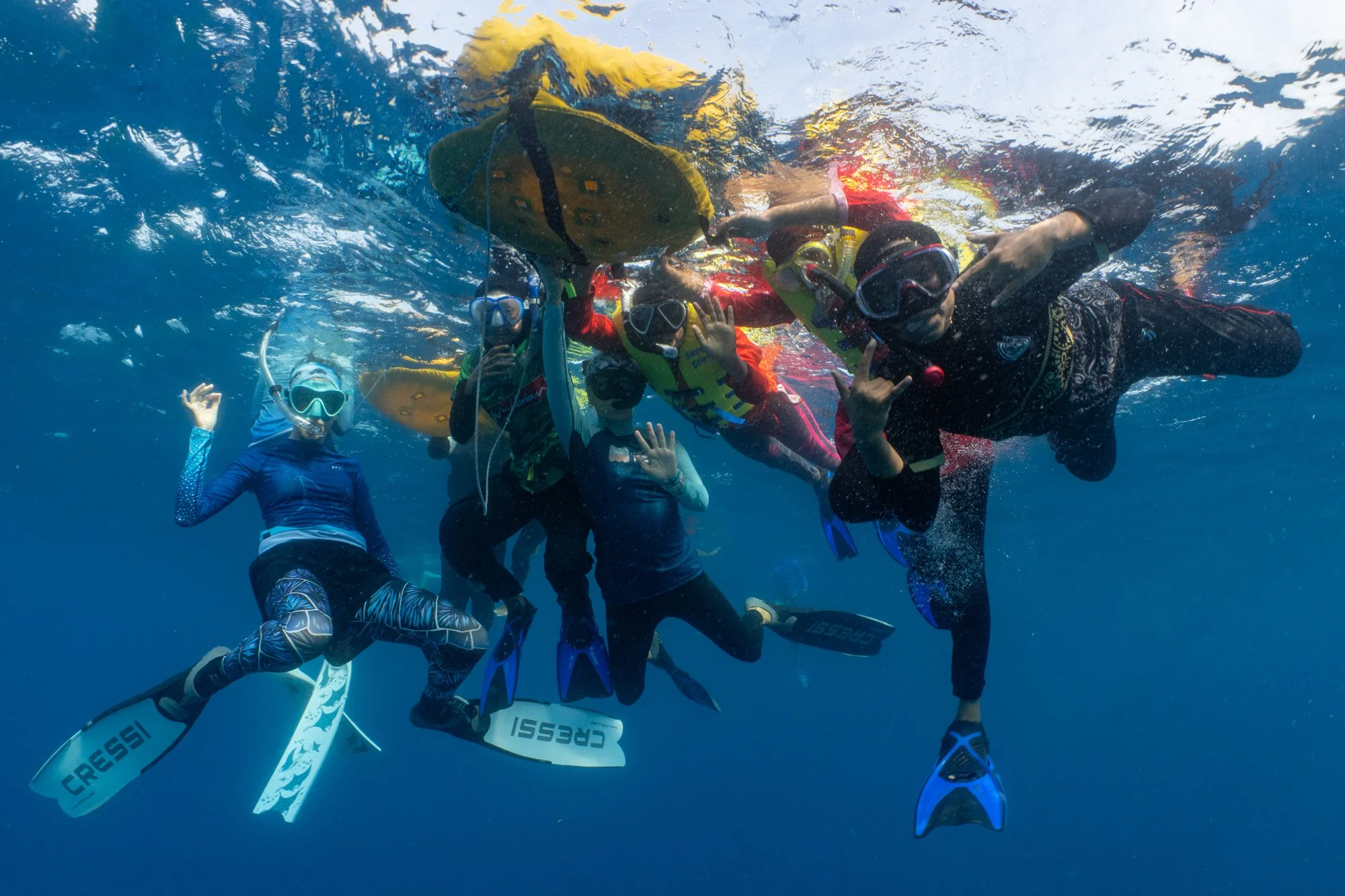
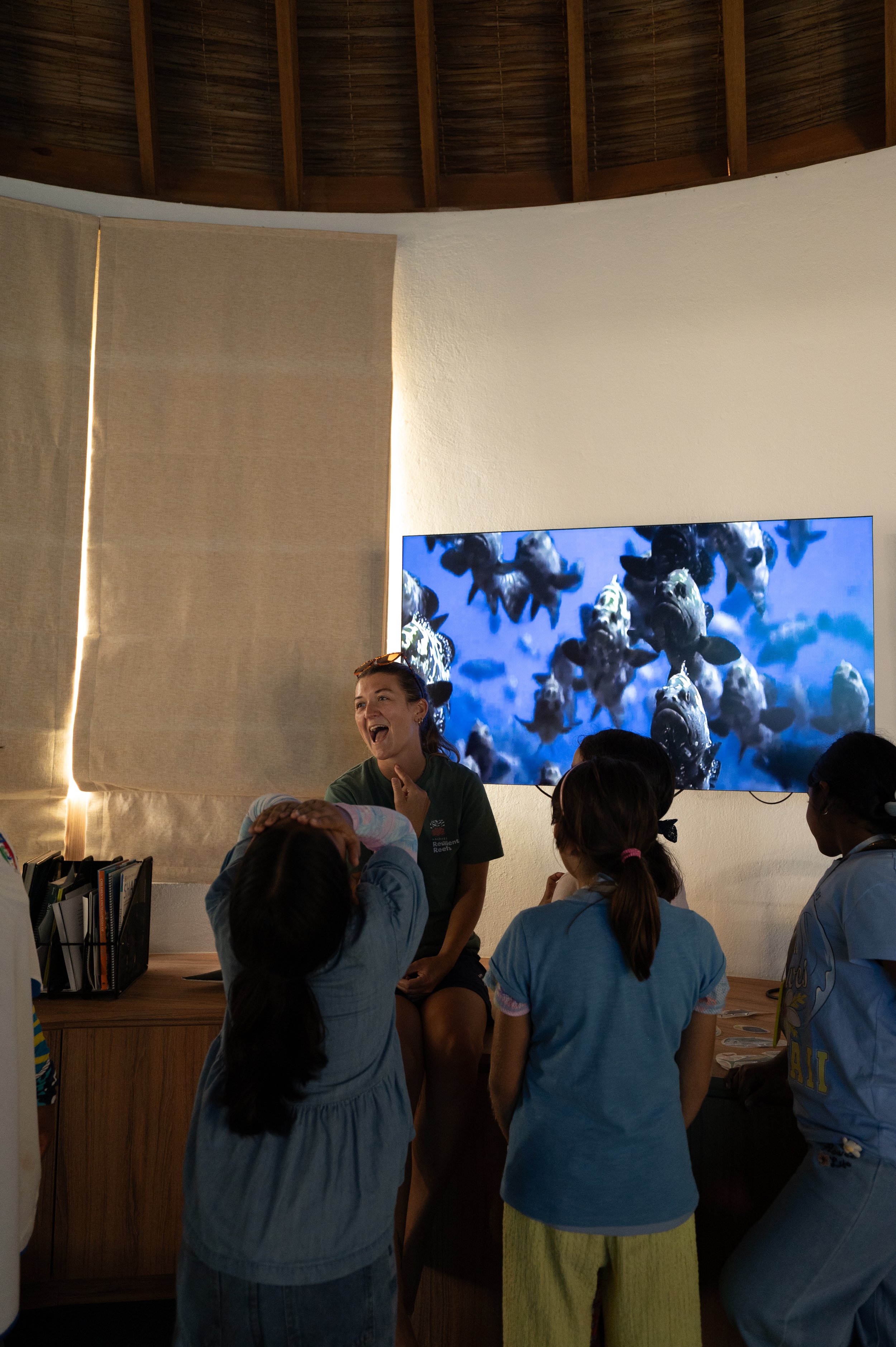
Post lunch my days are usually filled with office time - inputting the mornings data, analysing the BRUVS footage and meetings with the rest of the MRR team, outside partners, or the local fishers that are part of our ‘Fish For Tomorrow’ programme. At the end of the day I will head over to ICE to give my guest presentation, ‘Fishing for the Future: Thriving Reefs and Sustainable Seas’. This presentation gives a chance for the guests to learn more about the sustainable fishing programme running here on the resort, helping to connect them with the food they are eating during their visit. It also allows time for discussion on my other research projects and the importance of Maldivian involvement in conservation.
Project Spotlight
What project are you most involved in right now?
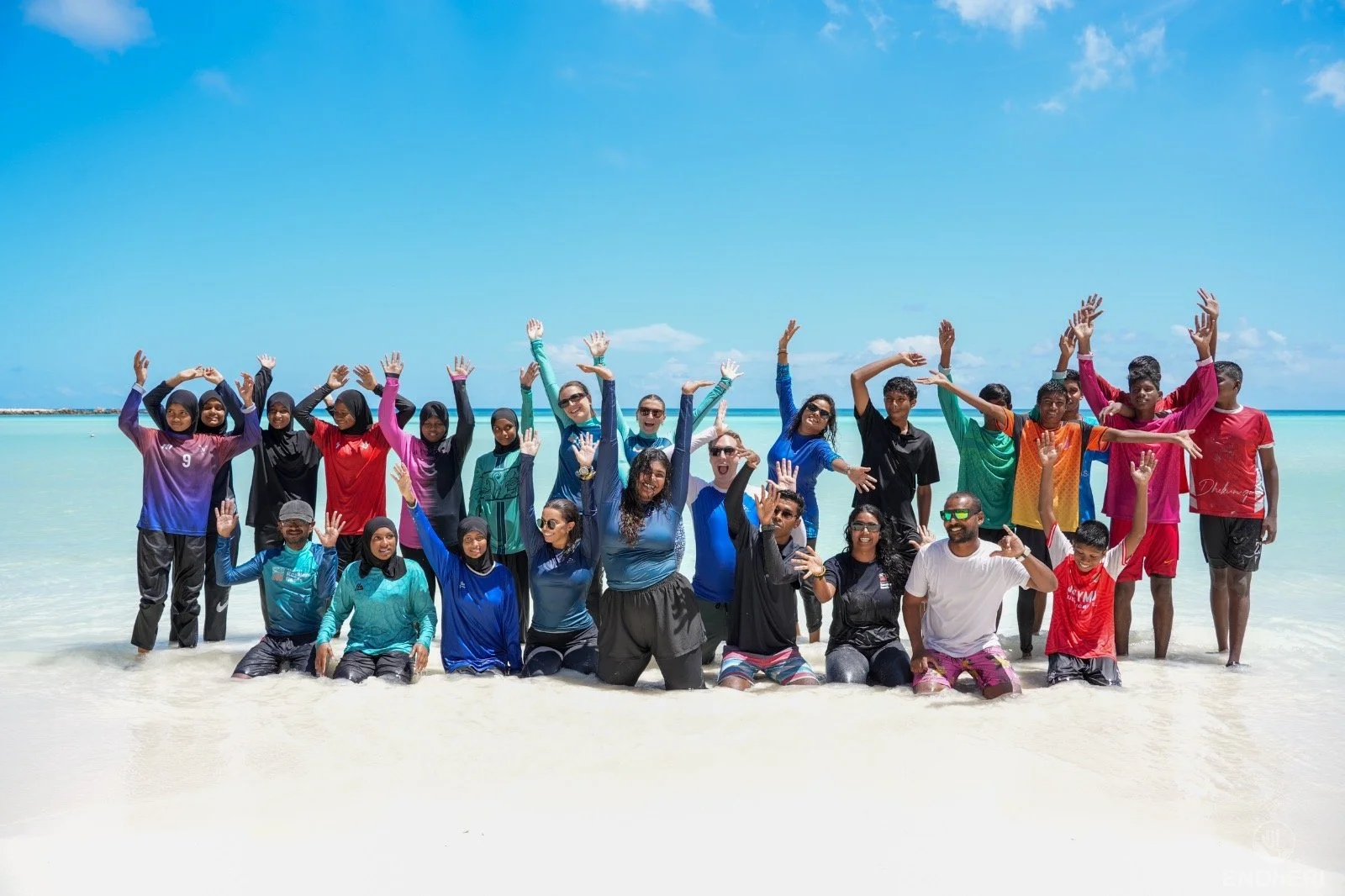
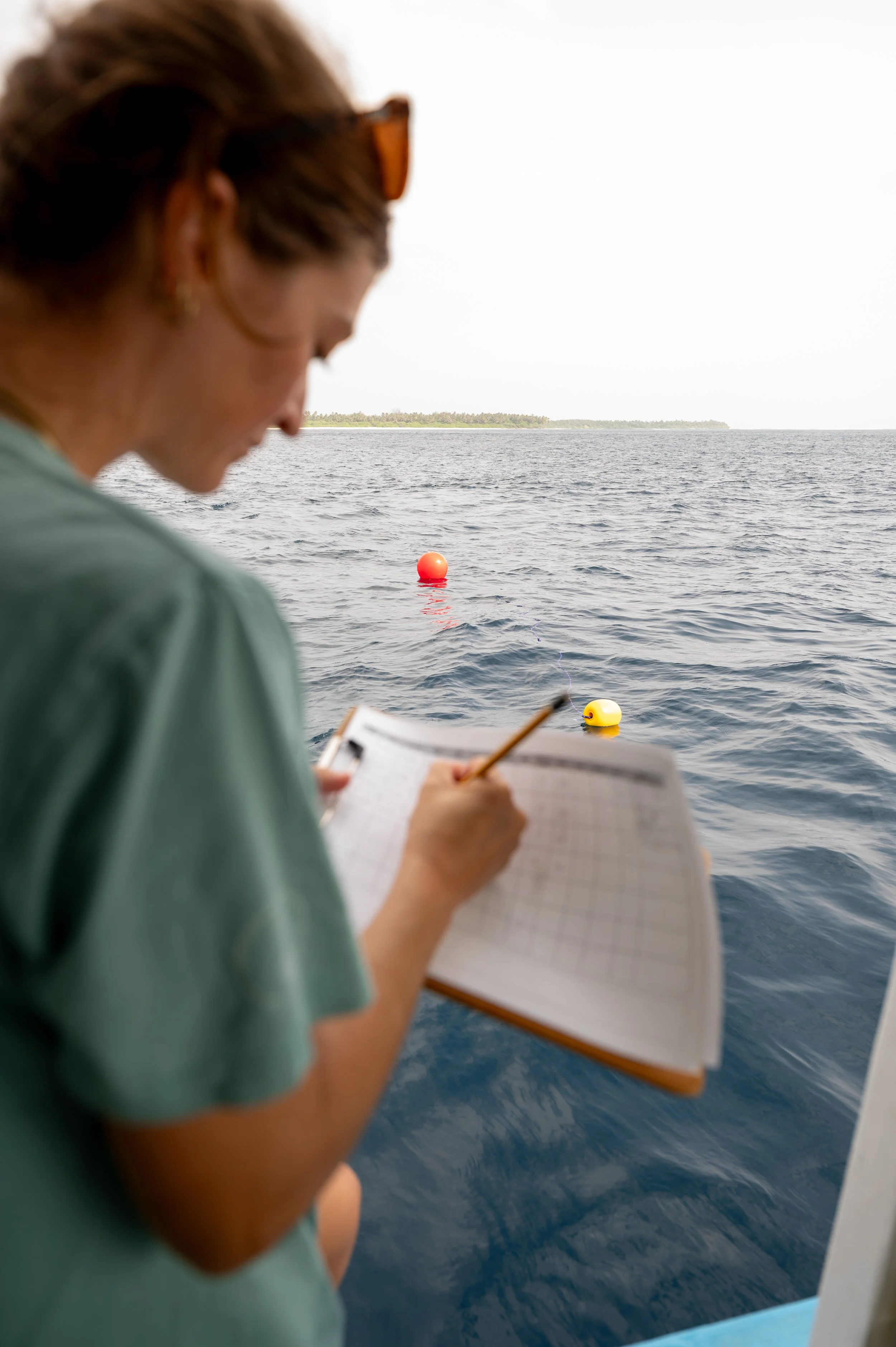
As well as the ongoing management of the sustainable fishing programme, ‘Fish for Tomorrow’, my main focus at the minute is our new shark research project. This is a very exciting project, as it is MUI’s first ever shark research! The project involves using baited cameras, known as Baited Remote Underwater Video Systems (BRUVS), that are deployed in various locations throughout the Gaadhoo Hithadhoo Kandu area. The cameras are deployed for one-hour periods in mid-water (pelagic) and in reef or sandy bottom (benthic) environments. The footage collected will help us to estimate shark abundance and species presence within the area and the data will be used to strengthen the Marine Protected Area (MPA) justifications or regulations, and help us to identify Important Shark and Ray Areas (ISRAs).
What’s one recent moment that made you proud?
Being given the opportunity to be the lead of this project has made me very proud. This is the first time I have been project lead, and it is very exciting - especially when we make some very cool discoveries! Additionally, the project is more important now than ever, with the lift of the shark fishing ban in Maldives in November 2025.
What challenges do you face in your work, and how do you overcome them?
Working as the ‘middle man’ between the local fishers and the resort can sometimes come with its challenges. For the sustainable fishing programme to run successfully, both parties must be content with all aspects of the programme but often there will be different expectations. It is important that we manage the needs for both sides fairly to ensure that everyone benefits from the initiative. This is one of the main reasons that we hold quarterly meetings with the fishers at the resort, as they allow a time for both parties to openly discuss any issues or concerns and progressive decisions can be made that make everyone happy.
Impact & Purpose
Why does your work matter—to you, to the reef, to the community?
MRR’s initiatives focus on marine conservation for the benefit of nature and people. By creating sustainably focused programmes on the management of the marine environment as a whole, nationally recognised Marine Protected Areas and conserved areas managed by the community, our work ensures that the marine world and the lives of local people are positively impacted.
How do you think tourism can better support marine conservation?
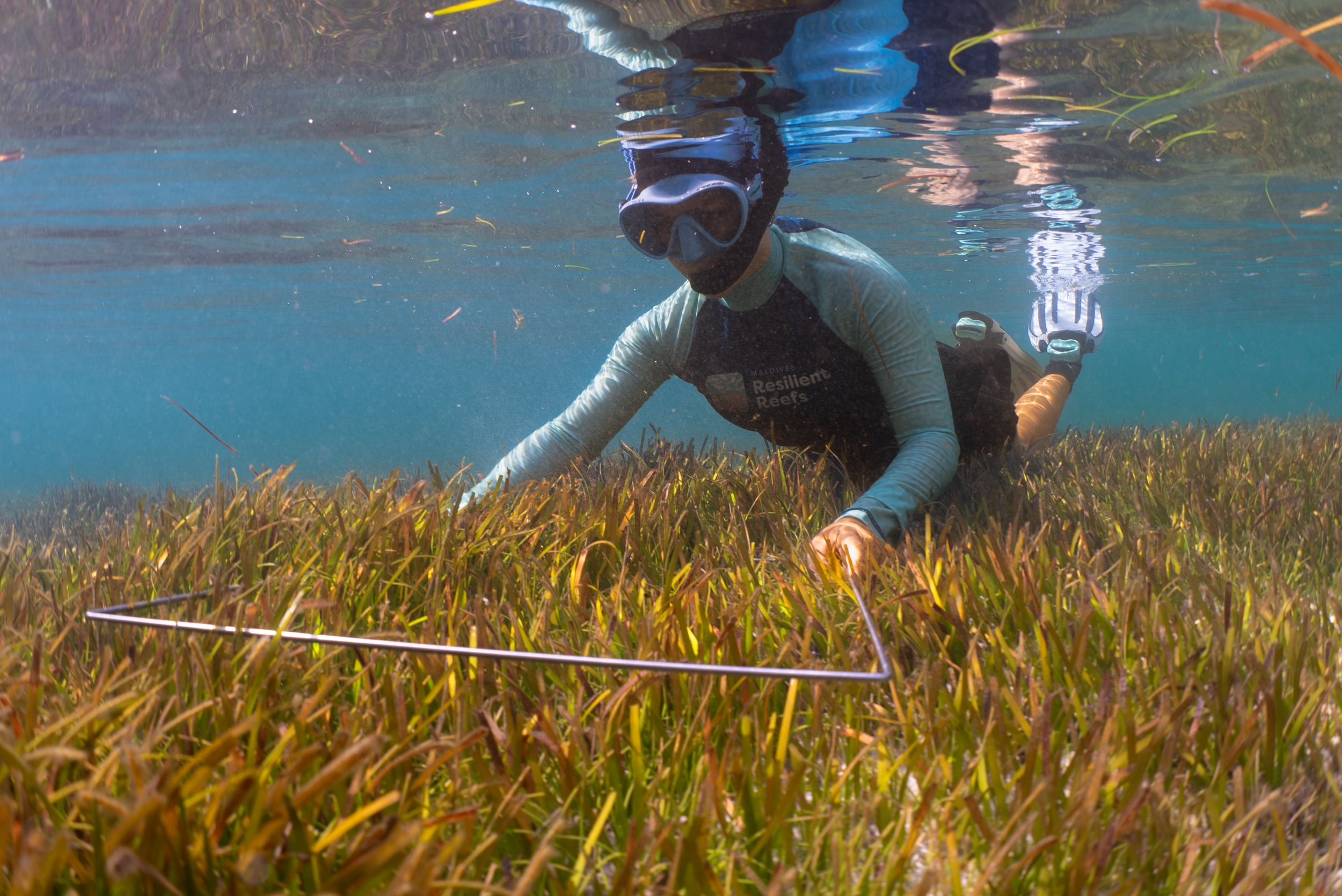
Tourism is one of the main drivers of the economy in Maldives, but I think that it is important that people make responsible choices when visiting the country. If guests choose more sustainably focused resorts or guesthouses, learning how to see past greenwashing, then this could in turn push other properties to improve. Here at Six Senses Laamu we also realise education for the guests is hugely impactful! For example, teaching our guests about the importance and beauty of our protected seagrass meadows creates a big change in views - which will then hopefully be passed on to others.
Advice & Reflections
What advice would you give to someone wanting to work in marine conservation?
My advice would be to try and get as much experience as you can, whether that be through volunteering or random jobs that are not necessarily your ‘dream job’ but can build a strong skill set. But most of all, don’t give up. This industry is competitive for few jobs, but stay determined and you will get there.
If you could make others understand one thing about your job, what would it be?
I would like people who don’t work in this field or similar to know that it is not all glamorous, and we are certainly not on holiday all of the time! Of course we get to experience THE MOST incredible moments, but there is also a lot of hard work that goes on in the background. Many hours are spent behind the computer screen analysing the data we collect, applying for funding and working on ways to make our work impactful.
Your favourite thing about the Maldives?
The ocean of course, but also the people. I have met so many incredible Maldivians that have inspired me and taught me so much. I will always be grateful for them being such a huge part of my journey and that I get to call them friends.
Day-in-the-Life Snapshot
7:00 AM - Wake up and morning coffee on the joali
8:30 AM - BRUV deployment
10:30 AM - Grouper Spawning survey dive
13:00 PM - Lunch
14:00 PM - Office to input and review the morning data
15:30 PM - Meetings
16:30PM - Collect and input data sheets from fishing trips and ensure Fish for Tomorrow programme is running with no issues on resort
17:30 PM - Daily team meeting to discuss the day and plans for tomorrow
18:30 PM - Guest presentation
20:00 PM - Dinner with the team
What’s your favorite quote?
“There are some who can live without wild things, and some who cannot.” - Aldo Leopold